Joint pain with normal X-ray, MRI, or ultrasound results is not uncommon. Many patients experience significant pain despite completely normal imaging, while others show damage on scans but feel no pain.
Joint pain typically falls into two categories: structural damage or functional issues. A thorough examination and various clinical tests are essential to identify the specific abnormality.
Structural damage: Musculoskeletal abnormalities are detectable through imaging. Patients require the correct diagnostic imaging technique to pinpoint the exact cause of pain. For instance, an X-ray effectively reveals bone damage, an ultrasound shows soft tissue abnormalities, and an MRI provides a more comprehensive view of soft tissues and joints.
Functional issues: Beyond musculoskeletal problems, dull aches can stem from abnormalities in nearby internal organs or other medical conditions. For example, individuals with hyperthyroidism may experience joint pain, and diabetes can cause micro-nerve damage, leading to numbness and pain in the hands and feet. These issues are not visible through diagnostic imaging but require specific functional assessment tests.
In some cases, chronic joint pain might originate from neurological conditions, stress, anxiety, insomnia, or fibromyalgia, which can heighten the body's pain sensitivity. As imaging scans do not reveal these factors, patients need a comprehensive examination and appropriate clinical tests for an accurate diagnosis.
 |
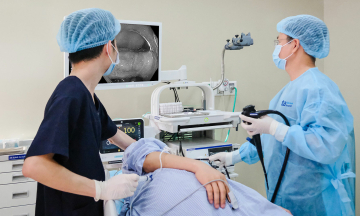
Doctor Tuan Anh explains joint function to a patient. Illustration: Tam Anh General Hospital |
To determine an appropriate treatment plan, identifying the precise cause of pain is crucial. You should consult a musculoskeletal specialist or a neurologist for a comprehensive evaluation of your range of motion, reflexes, and pain points. In addition to any previous imaging, the doctor may order further clinical tests, such as blood tests or electromyography.
To alleviate joint pain, you can also implement several home care methods: applying warm or cold compresses, performing physical therapy exercises as guided by a doctor, and maintaining correct posture. Your daily diet should provide sufficient nutrients and include foods rich in vitamin D and omega-3, which enhance bone health and reduce inflammatory pain.
Master, Doctor, Level I Specialist Ngo Tuan Anh
Department of Internal Musculoskeletal
Tam Anh General Hospital Ho Chi Minh City
| Readers can send questions about musculoskeletal conditions here for doctors to answer. |