The boy was diagnosed with kidney failure, vesicoureteral reflux, and congenital renal hypoplasia at just 45 days old. According to Associate Professor Doctor Huynh Thi Vu Quynh, Head of the Department of Nephrology and Endocrinology and Deputy Head of the Pediatrics Department at Ho Chi Minh City University of Medicine and Pharmacy, the boy has been on automated peritoneal dialysis since he was 2.5 months old, a regimen he has followed for 7 years. Kidney failure from such an early stage led to many complications as he grew, including severe malnutrition, dilated cardiomyopathy, bone metabolic disorders, and vascular calcification due to hyperparathyroidism.
The journey to bestow this "gift of life" began when Children's Hospital 2 received information from the National Organ Transplant Coordination Center about a 19-year-old male patient who was brain-dead due to a traffic accident at a hospital in Quang Ninh. The boy's medical parameters matched the donor, prompting Children's Hospital 2 to activate its organ transplant system for him.
Doctor Nguyen Dinh Qui, Head of the General Planning Department, urgently coordinated with various departments to prepare personnel and a plan for organ reception. Doctor Phan Tan Duc, Head of the Department of Nephrology and Urology, along with his team, traveled to Quang Ninh to surgically procure the organ and transport it to Ho Chi Minh City for immediate transplant on the morning of 26/7.
 |
The Children's Hospital 2 team and airline staff transporting the organ at the airport. *Photo: Hospital provided* |
According to Doctor Quynh, this was the youngest and lightest patient to undergo a kidney transplant at Children's Hospital 2. The boy also faced risks of thrombosis and vascular stenosis during the surgical procedure.
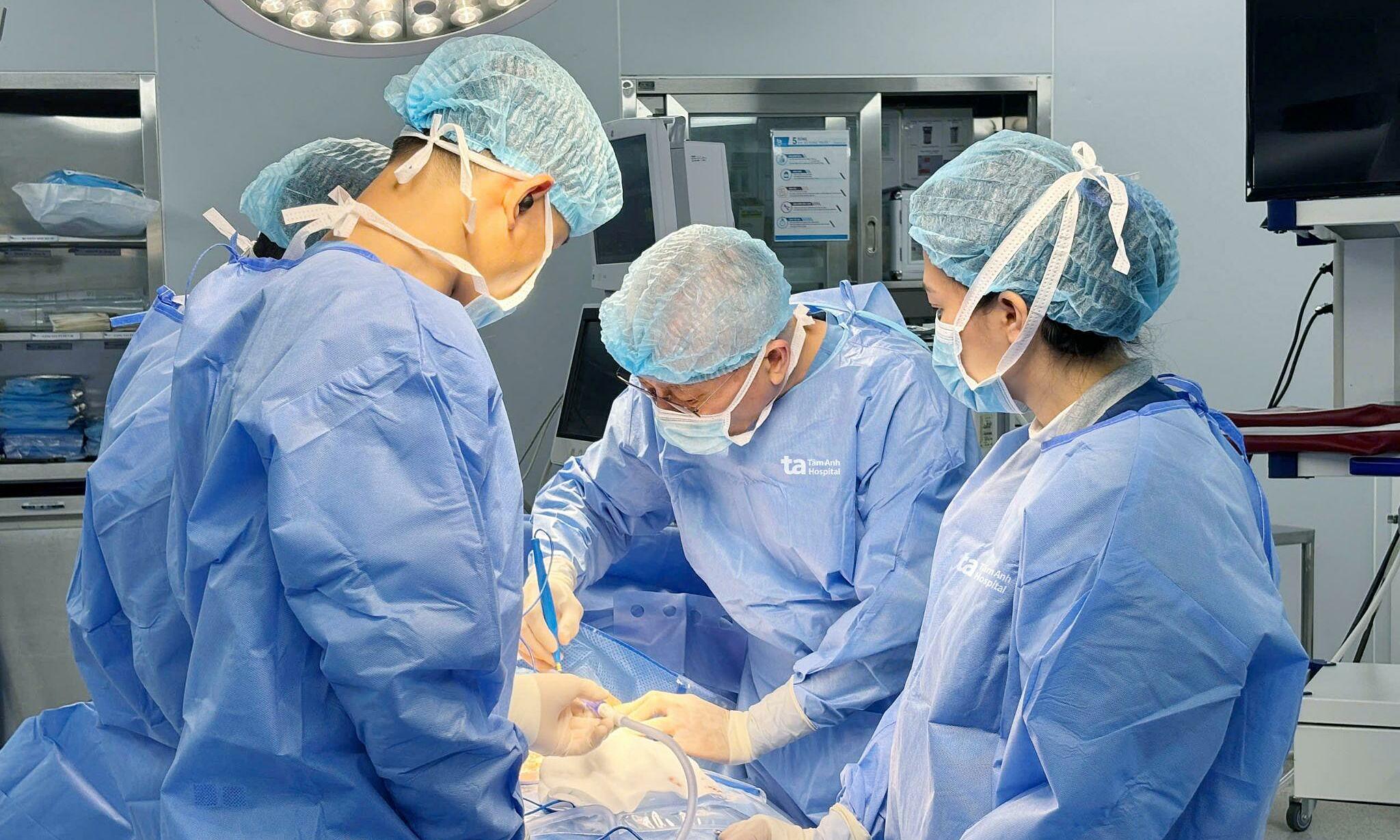
The transplant surgery therefore posed many challenges for the medical team. Doctors from multiple specialties collaborated to manage risks throughout the preparation and operation, ensuring the kidney was transported, preserved, and transplanted within an optimal timeframe.
Following these efforts, the gift from the brain-dead donor was successfully given to the patient, offering an opportunity for the boy to grow up with a better life.
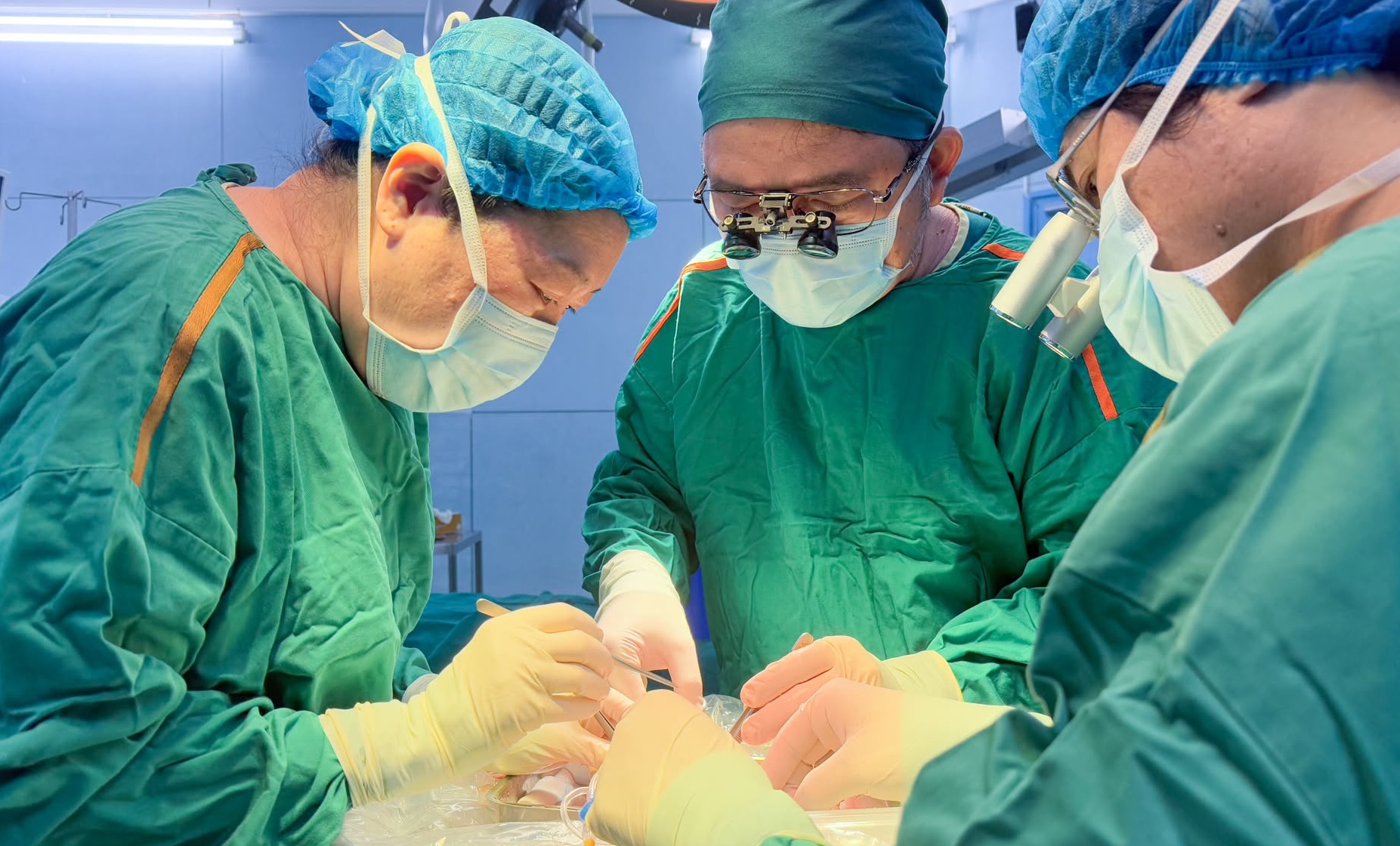 |
Doctor Phan Tan Duc, Head of the Department of Nephrology and Urology, Doctor Le Nguyen Yen, Deputy Head of the Department of Nephrology and Urology, and Doctor Ho Minh Nguyet preparing the organ before transplanting it into the patient. *Photo: Hospital provided* |
This marks the third successful kidney transplant from a brain-dead donor performed at Children's Hospital 2. Other kidney transplant cases at the hospital mainly utilize organs from living donors.
Associate Professor Doctor Pham Ngoc Thach, Deputy Director of Children's Hospital 2, stated that the transplant's success marked a special milestone for the hospital. For the first time, the team was fully proactive and self-reliant, from receiving information and dispatching a team to procure the organ, to transporting it to Ho Chi Minh City and preparing the patient for the transplant.
However, according to Doctor Thach, beyond the transplant's success lies the extraordinary gesture of the donor and their family. One life ended, but the decision to donate organs offered a chance at life for many other patients. The kidney from the 19-year-old man traveled thousands of kilometers to reach a 7-year-old patient awaiting a life-changing opportunity. From the donor family's gift, a young life gained a chance to recover, continue growing, and write its future.
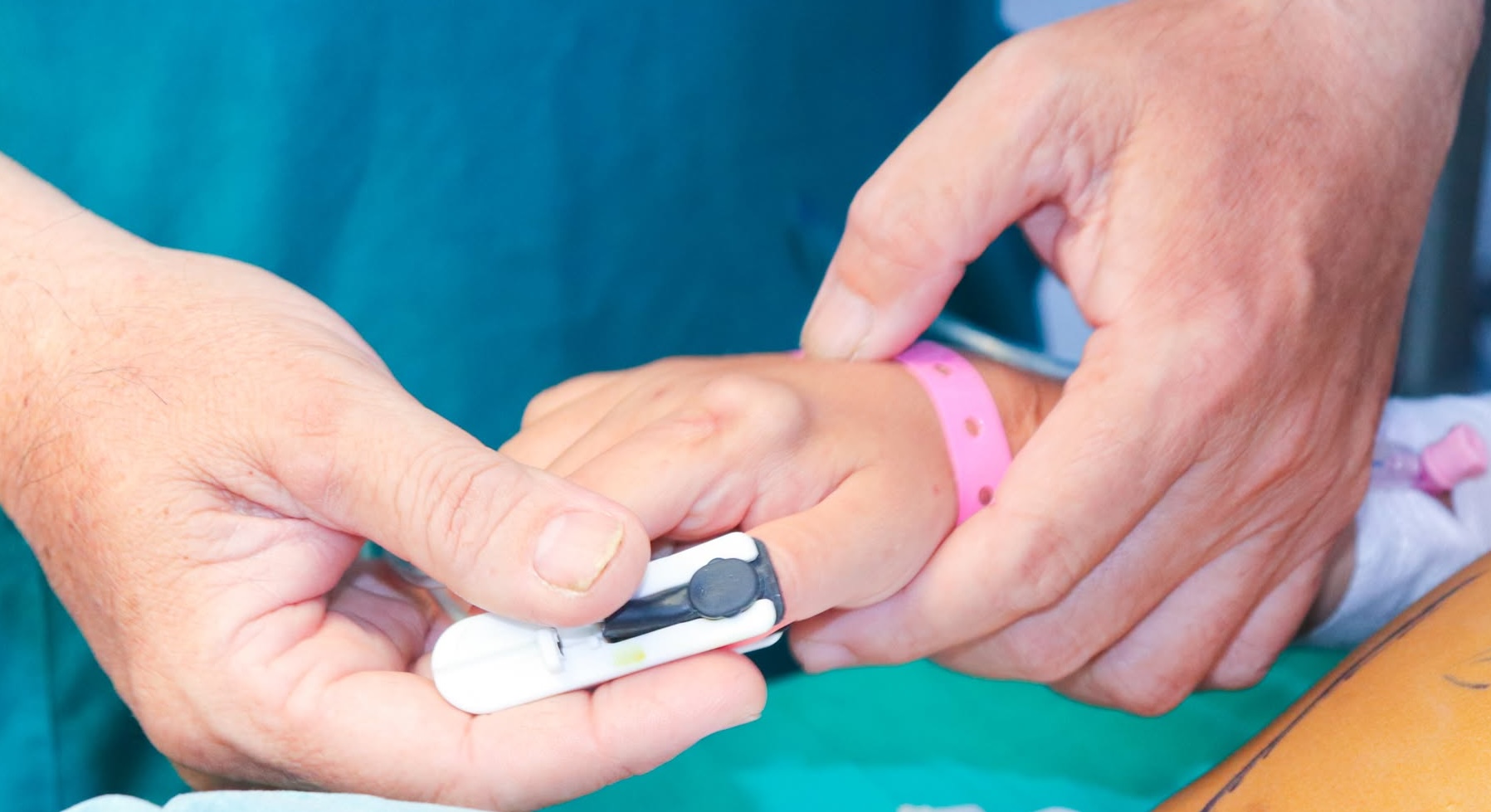 |
The boy revived after the kidney transplant. *Photo: Hospital provided* |
Doctor Thach believes that through the dissemination of organ donation stories, more families can understand the value of donating tissues and organs after death. "To give is to live on," he said, expressing hope that more pediatric patients will receive organ transplants from brain-dead donors in the future.
Le Phuong