Colorectal cancer does not develop overnight. Dr. Liao Ji Ding, a hematology and oncology specialist from Taiwan, China, recently shared the case of a young engineer. Despite his age, an endoscopy revealed multiple dangerous polyps in his colon. The cause was traced to a daily diet of "convenient" foods, including sausage sandwiches and lunchboxes with cold cuts.
The culprit: ultra-processed meals
On his personal YouTube channel, Dr. Liao Ji Ding recounted that the patient, a technology engineer, maintained a demanding schedule. His daily menu reflected this: sausage sandwiches for breakfast, lunchboxes with cold cuts for lunch, and instant noodles late at night after overtime. During a health check, the doctor was surprised to discover his colon was filled with polyps, which are concerning pre-cancerous lesions.
Processed meats, such as cold cuts and sausages, are classified by the World Health Organization (WHO) as Group 1 carcinogens. Research indicates that consuming about 50 g of processed meat daily—equivalent to two small sausages—can increase the risk of colorectal cancer by about 18%. In contrast, red meats like pork and beef are categorized as Group 2A, meaning they are probably carcinogenic.
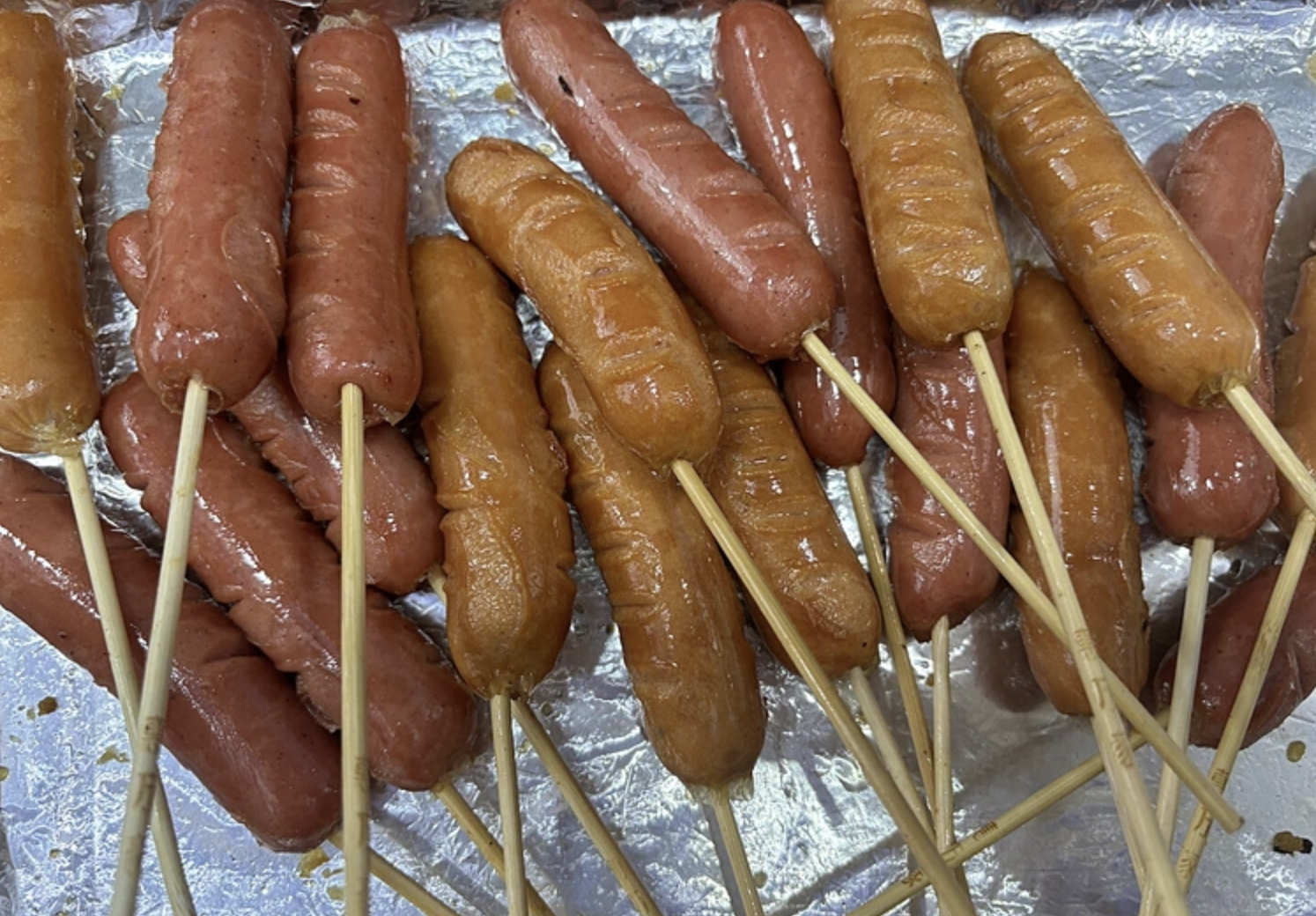 |
Consuming about 50 g of processed meat daily—equivalent to two small sausages—can increase the risk of colorectal cancer by about 18%. *Bao Bao* |
The threat from gut bacteria and toxins
Explaining the disease mechanism further, Dr. Liao cited the presence of a resident bacterium named PKS+ E. coli in the colon lining. This bacterium can release toxins that directly damage the DNA of the "APC" tumor suppressor gene.
In Japan, a country with a culinary culture similar to other Asian nations, research shows that about 50% of colorectal cancer patients have DNA damage caused by this toxin. "While specific data is not yet available, with similar eating habits, we must prioritize balancing our gut microbiome," Dr. Liao emphasized.
Excessive consumption of ultra-processed foods, which contain additives and emulsifiers, weakens the protective membrane of the intestinal lining. This creates conditions for harmful bacteria to invade and cause disease.
How to protect your colon through diet?
According to Dr. Liao Ji Ding, consuming large amounts of red meat, rich in animal fats, stimulates the body to secrete more bile acids. Upon reaching the colon, bacteria metabolize these into secondary bile acids, which damage the mucous membrane and cause chronic inflammation, leading to the proliferation of harmful bacteria.
To protect your health, the expert offers the following advice:
Moderate, don't eliminate: Avoid eating red meat at every meal. The recommended intake of cooked red meat should be limited to 500 g per week.
Diversify protein sources: Prioritize protein from fish, white meat (poultry), or legumes.
Strengthen your gut's defense: Incorporate plenty of green vegetables and fermented foods (such as yogurt, kimchi) to maintain a healthy gut environment.
Small changes in your daily diet are key to preventing polyps from silently progressing into insidious cancer.
*My Y (According to Yahoo TW)*