Even with efforts to reduce salt intake, persistent high blood pressure might indicate a missed key: supplementing nutrients that help the body regulate blood pressure from within.
Many mistakenly believe that simply cutting back on salt is sufficient to control blood pressure. However, a study published in the journal Nutrition Research and Practice (2021) suggests that a diet rich in potassium and magnesium, and low in sodium, is the crucial "three-pronged approach" to significantly reduce the risk of high blood pressure.
For women in particular, a potassium-rich diet can reduce the risk of developing the condition by up to 70%. These nutrients not only regulate electrolytes but also help relax blood vessels and improve blood circulation.
The role of potassium, magnesium, and vitamin D in lowering blood pressure
A comprehensive report in the Journal of Hypertension (2024) affirmed the consistency of potassium-rich diets in lowering blood pressure across 46 different studies. Additionally, magnesium and vitamin D play a vital supporting role.
Conversely, research in the journal Heart and Mind (2022) warns that a diet "high in sodium and low in potassium" severely damages blood vessels and kidneys. Reversing this habit offers significant benefits for cardiovascular health. Choosing the right potassium-rich foods can sometimes be more effective than simply avoiding a few salty fried chicken pieces.
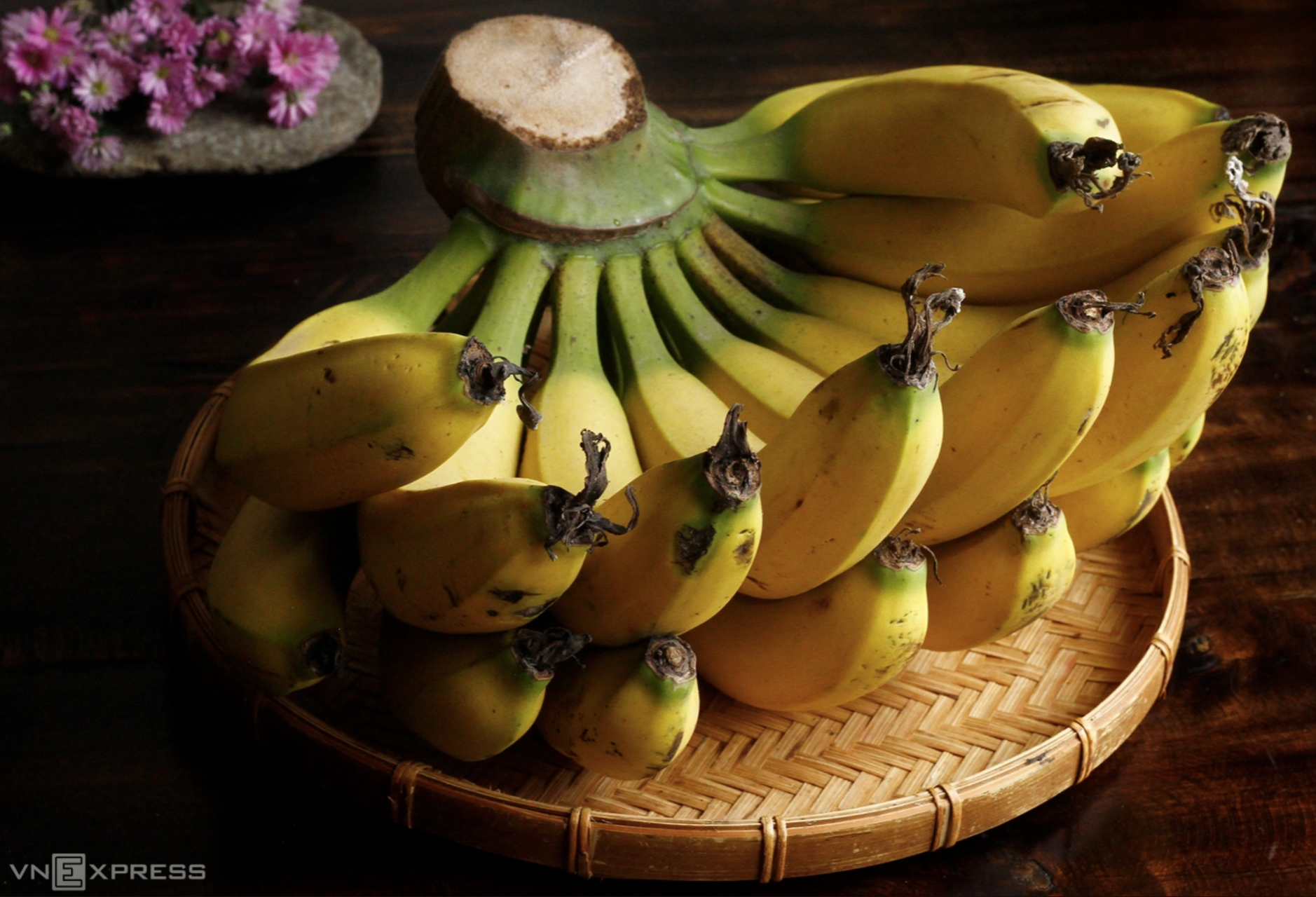 |
Bananas are naturally rich in potassium, helping the body increase sodium excretion, reduce water retention, and lower pressure on blood vessel walls. Photo: Bui Thuy |
5 scientifically recognized "superfoods" for lowering blood pressure
Here is a list of five golden foods you should add to your daily diet to help stabilize blood pressure:
Avocado:
Rich in potassium and magnesium, avocados help dilate blood vessels, balance the sodium-potassium ratio, and reduce inflammation due to their healthy fats.
Salmon:
The omega-3 fatty acids in salmon have anti-inflammatory effects, helping relax blood vessels and thereby improving cardiovascular function.
Spinach:
A high source of potassium yet low in sodium, spinach is also rich in folic acid, which supports blood vessel recovery and provides antioxidant benefits.
Bananas:
This fruit is naturally rich in potassium, helping the body increase sodium excretion, reduce water retention, and lower pressure on blood vessel walls.
Chickpeas:
High in protein and soluble fiber, chickpeas provide strong support in controlling both blood pressure and blood sugar.
According to a randomized trial in the journal Frontiers in Endocrinology (2023), a low-sodium diet can reduce systolic blood pressure by approximately 8,1 mmHg, while significantly improving blood potassium levels.
More notably, research in Frontiers in Nutrition (2023) indicates that combining low-sodium salt (a type that replaces 23% of sodium with potassium) with a DASH diet can reduce blood pressure by up to 19 mmHg while maintaining safety.
My Y (According to Yahoo TW)