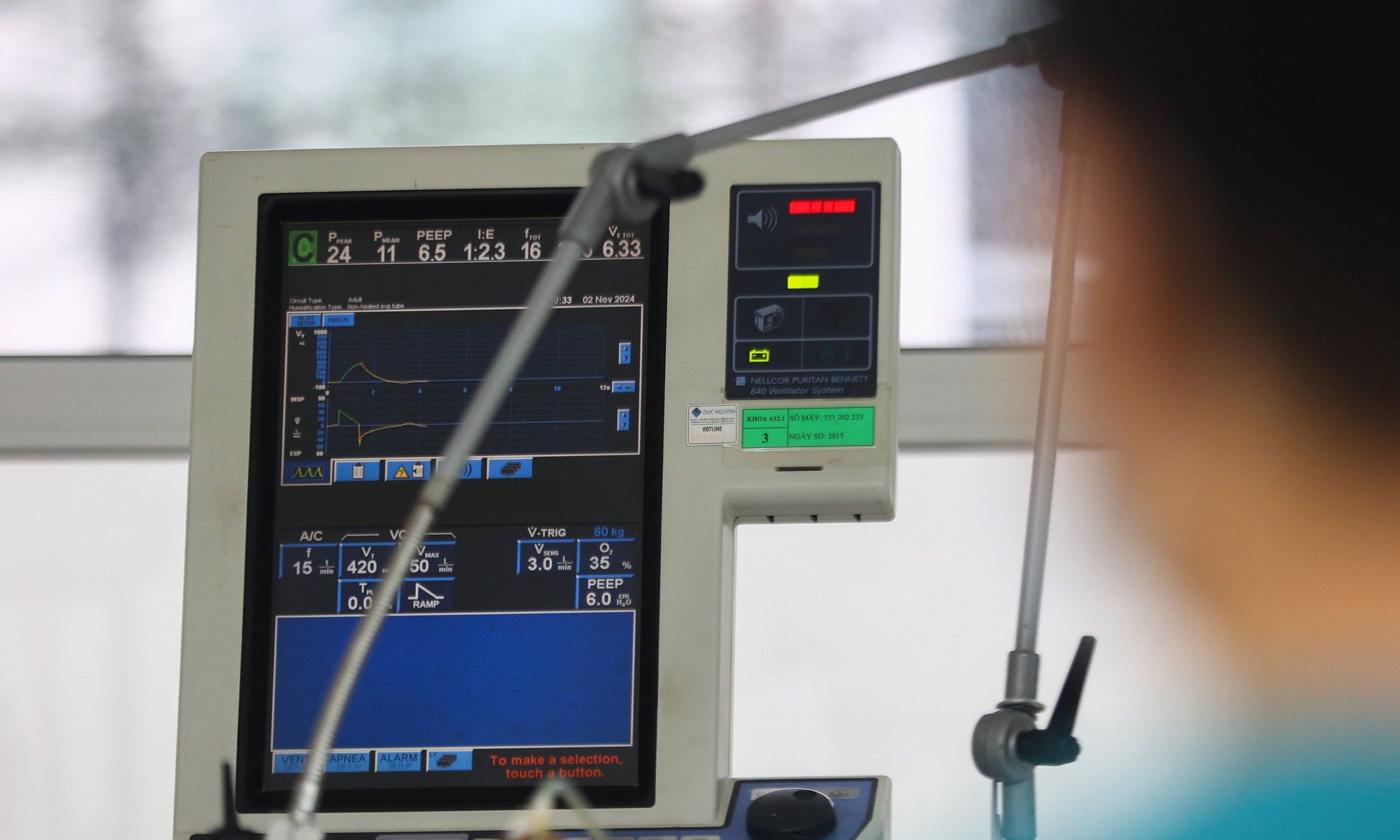
On 2/6, Doctor Nguyen Thi Ngoc Phuong, Deputy Head of the Cardiology Department at Children's Hospital 2, detailed the patient's critical condition upon transfer from Gia Lai. The 13-year-old was intubated and on mechanical ventilation, receiving vasopressors and multiple antibiotics for resuscitation.
He underwent emergency surgery to relieve pressure on his heart. During the operation, the surgical team observed pus and inflammatory pseudomembranes covering nearly his entire heart, as well as major blood vessels such as the superior vena cava and inferior vena cava.
“Upon accessing the affected area, we unexpectedly discovered an intact bamboo toothpick lodged in the posterior wall of the right ventricle,” the doctor recounted.
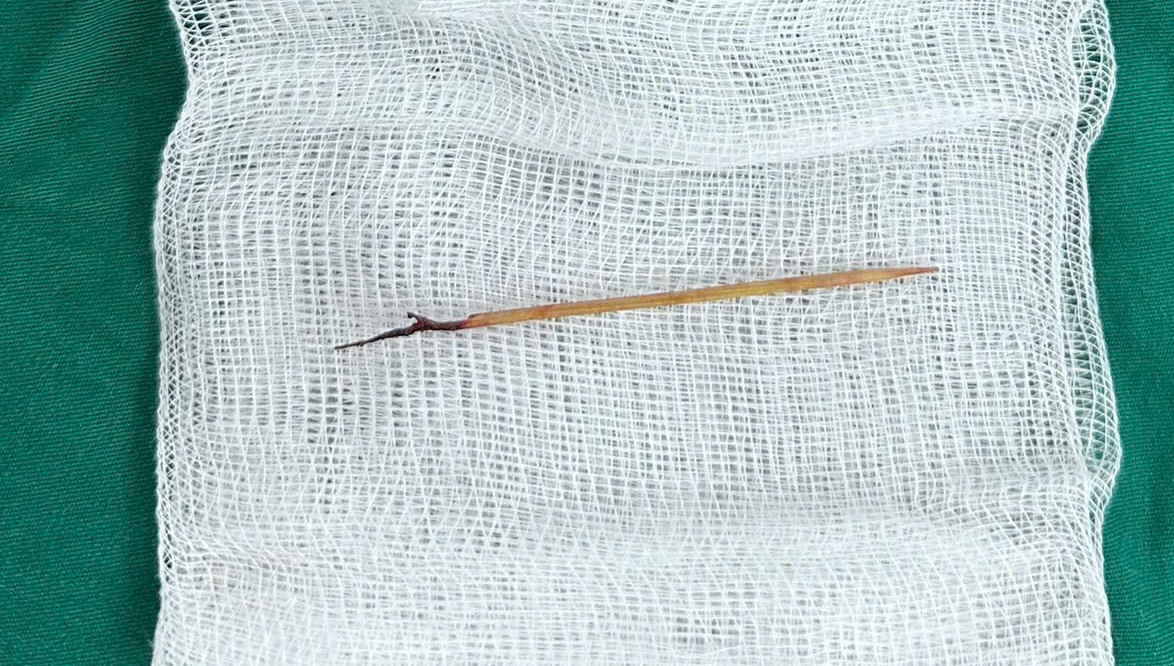 |
The bamboo toothpick foreign object removed by doctors. *Photo: Hospital provided*. |
The foreign object was identified as the conduit for bacterial entry, leading to inflammation and pericardial empyema. The surgical team successfully removed the toothpick, cleared the pus, and initiated high-dose antibiotic treatment to manage the infection. Following the intervention, the patient’s condition gradually improved.
According to Doctor Phuong, it is highly probable that the patient accidentally swallowed the bamboo toothpick sometime prior. The foreign object then traveled through the digestive tract, perforated surrounding tissues, and ultimately pierced the heart. This created a pathway for bacteria to enter the pericardial cavity, leading to empyema and acute heart failure.
Neither the patient nor his family was aware of when the foreign object was swallowed.
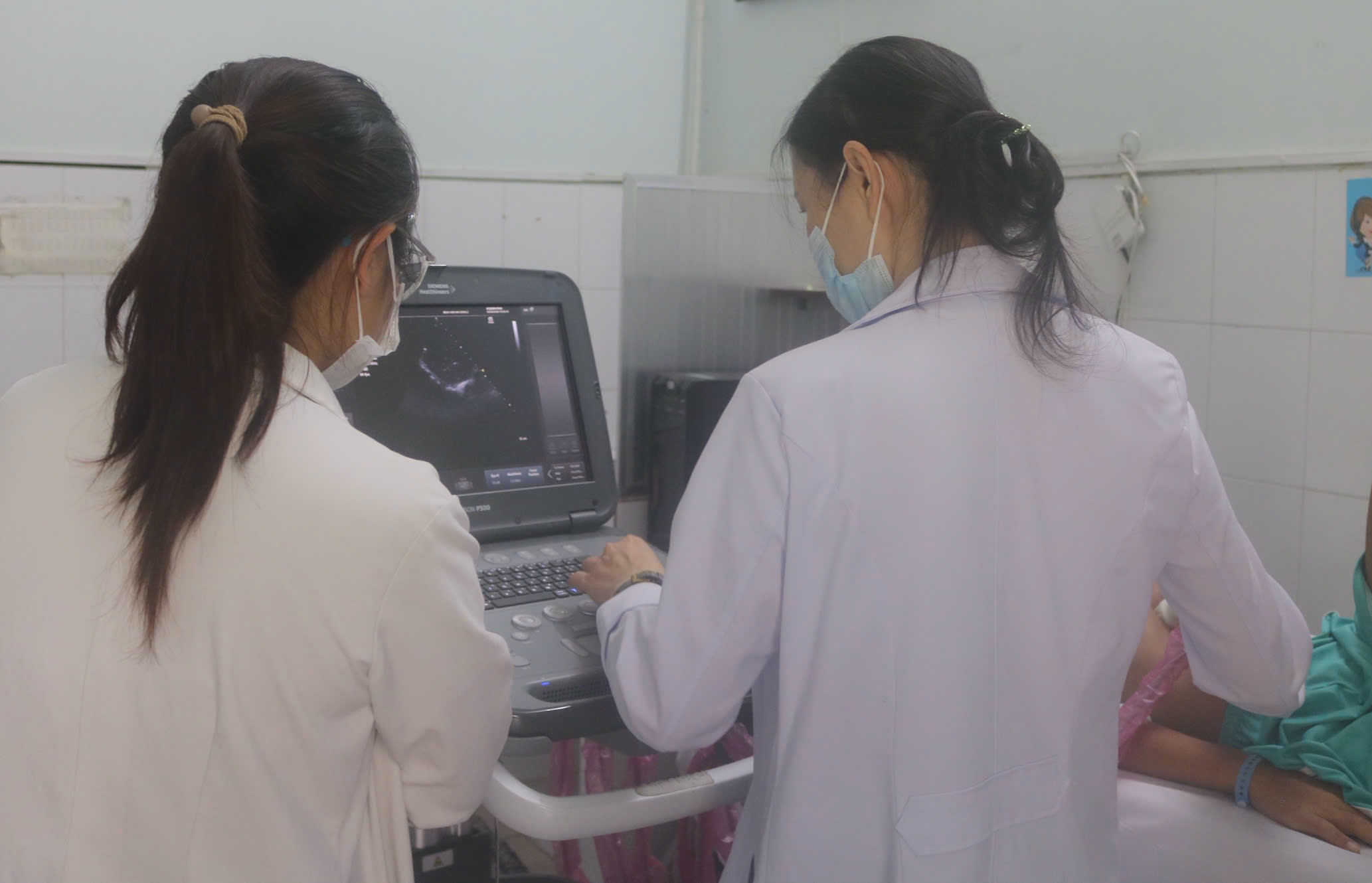 |
Doctors perform an ultrasound to check the patient’s heart function after surgery. *Photo: Hospital provided*. |
The patient has now passed the critical stage and remains under observation. However, doctors warn that the boy still faces a risk of long-term complications, such as constrictive pericarditis, which could affect heart function. Therefore, the patient will require regular follow-up appointments for close monitoring.
Le Phuong