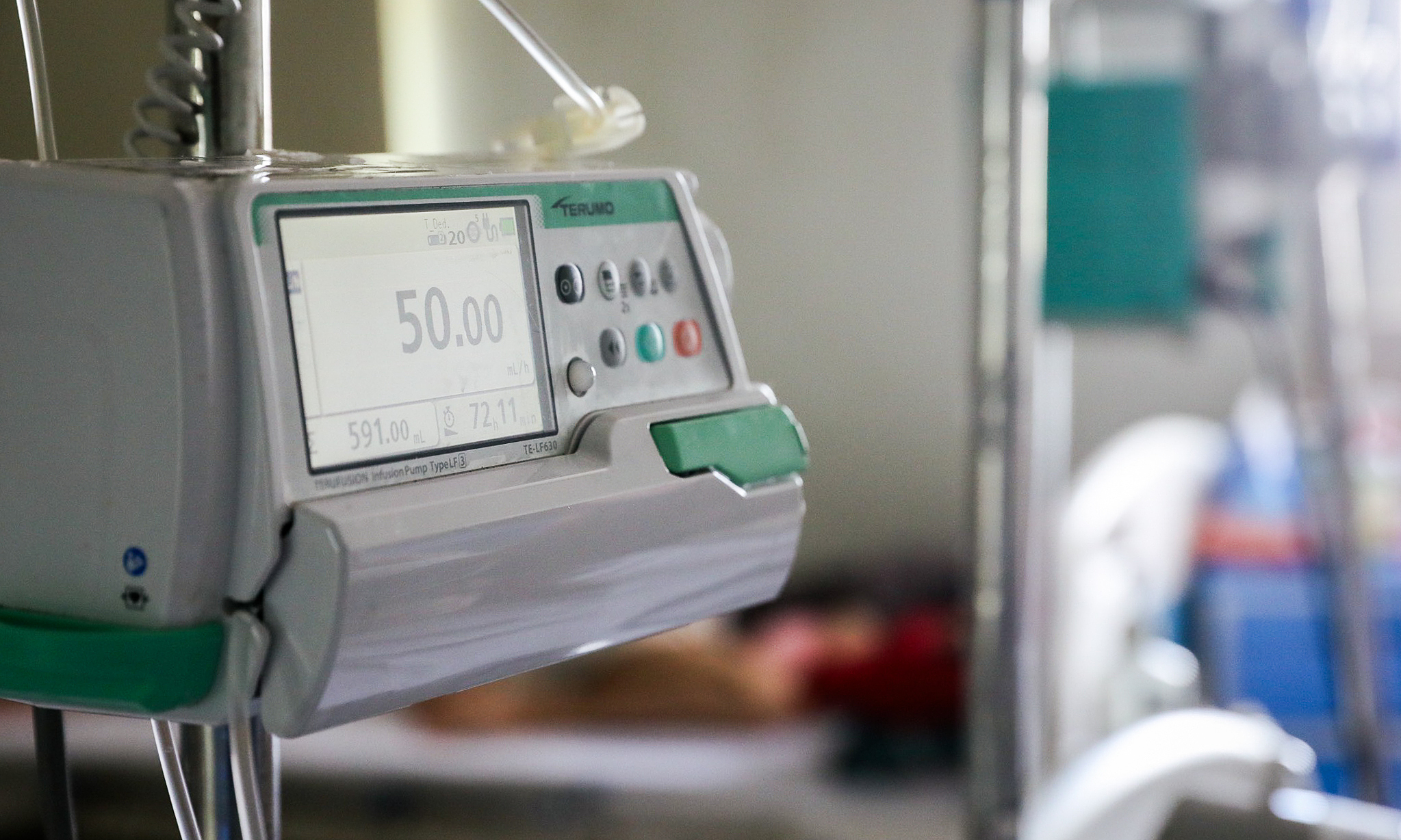
Back pain is a common symptom with various causes, including muscle strain, herniated discs, or injuries. However, if the pain focuses on the lower back, radiates to the lower abdomen or groin, and involves unusual urinary changes, it may indicate kidney stones. Stones moving through the urinary system, particularly if they cause an obstruction in the ureter, can trigger severe renal colic.
Muscle and joint pain typically arises with movement, changes in posture, and remains localized. In contrast, kidney stone pain often starts suddenly, manifesting as colicky waves, or sometimes as a persistent dull ache. Patients with kidney stones frequently experience urinary disturbances, such as painful urination, frequent urges to urinate, blood in the urine, or abnormally colored urine.
Prolonged urinary obstruction caused by stones creates an environment conducive to bacterial growth, leading to urinary tract infections. These infections can present with high fever and chills, complicating the condition and making it more dangerous.
Many individuals self-medicate with painkillers or attempt home remedies for back pain. This approach carries risks as it fails to address the underlying cause. If kidney stones are not treated promptly, prolonged obstruction can impair kidney function, leading to hydronephrosis, permanent kidney damage, and potentially kidney infection or acute kidney failure.
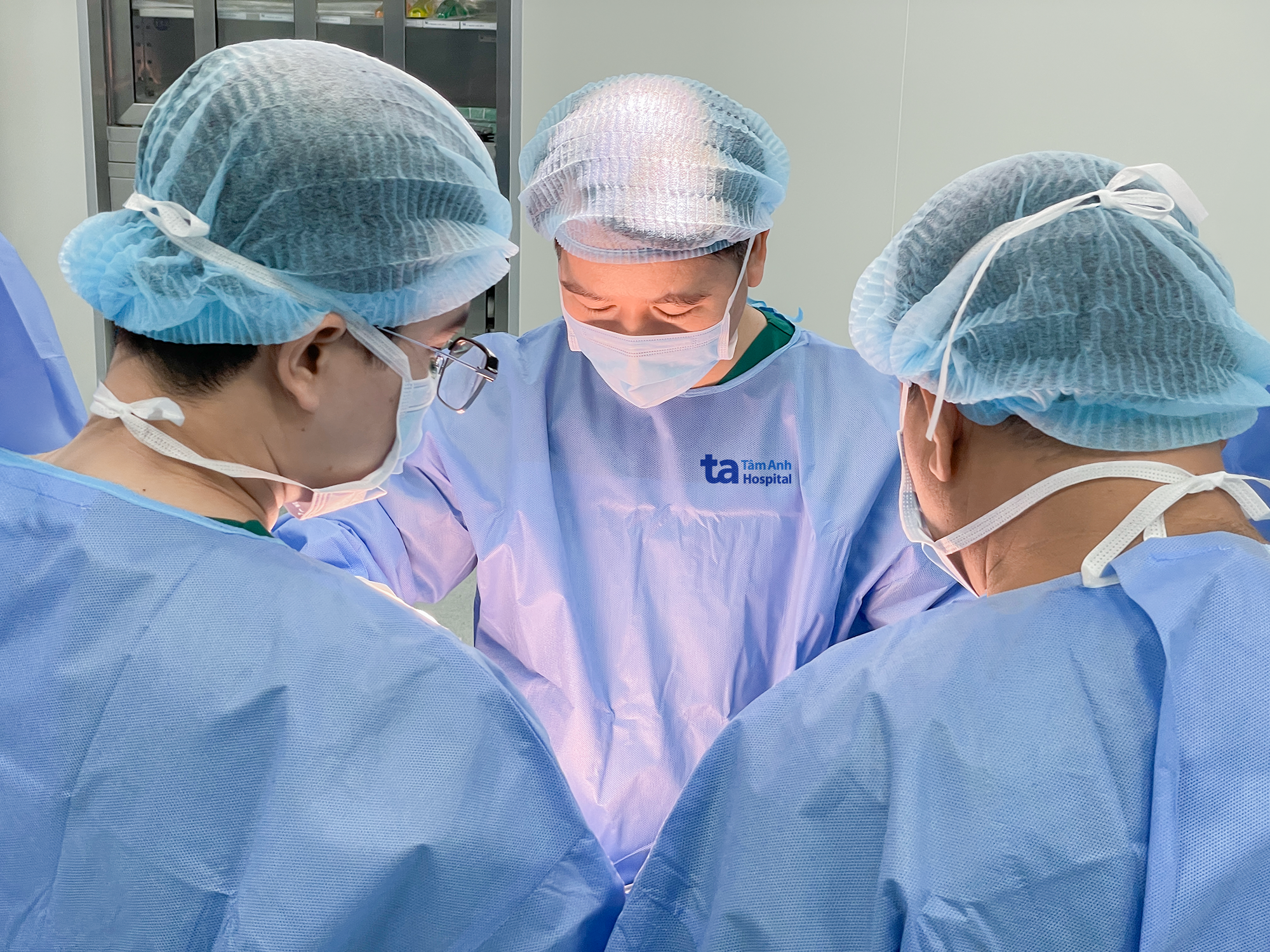 |
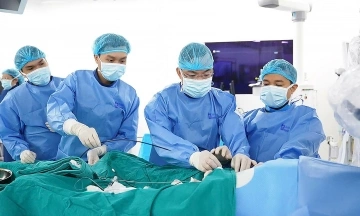
Doctor Truc (center) performs surgery to treat kidney stones. *Illustration: Tam Anh General Hospital*
To accurately determine if back pain is caused by kidney stones, seeking a specialized examination at a reputable hospital with a urology department is advisable. The doctor will then prescribe an appropriate treatment method, considering the stone's size, location, and the patient's overall health.
For small stones, patients may receive medication combined with lifestyle adjustments and a balanced diet to aid stone expulsion. For larger stones, or those causing obstruction or complications, doctors utilize modern techniques. These include extracorporeal shockwave lithotripsy, percutaneous nephrolithotomy, or retrograde intrarenal surgery, all aimed at quickly, safely, and minimally invasively removing stones to facilitate rapid patient recovery.
If back pain persists without relief, or is accompanied by symptoms such as fever, blood in urine, or painful urination, immediate medical attention is necessary to diagnose the cause and initiate appropriate treatment. Early detection of kidney stones simplifies the treatment process, making it less invasive, preserving kidney function, and reducing costs.
Dr. Pham Thanh Truc, Master of Science, Specialist Level II
Center for Urology - Nephrology - Andrology
Tam Anh General Hospital, TP HCM
| Readers can submit questions regarding kidney and urological conditions here for expert medical advice. |