The patient was admitted on the morning of 20/5 with closed chest and abdominal trauma, a grade 3 liver rupture, and a grade 5 kidney injury, the most severe level. Doctors noted complex damage to the patient's right kidney at the renal hilum, including severed blood vessels and venous thrombosis. This led to a sudden loss of kidney function and a risk of life-threatening hemorrhagic shock.
Doctor Nguyen Dinh Lien, Head of the Department of Urology and Andrology Surgery, stated that for grade 5 kidney injuries, the usual approach is to remove the kidney to preserve the patient's life. However, removing one kidney means the patient loses 50% of their lifelong blood filtration function. Therefore, the medical team decided to perform an autologous kidney transplant to save the organ.
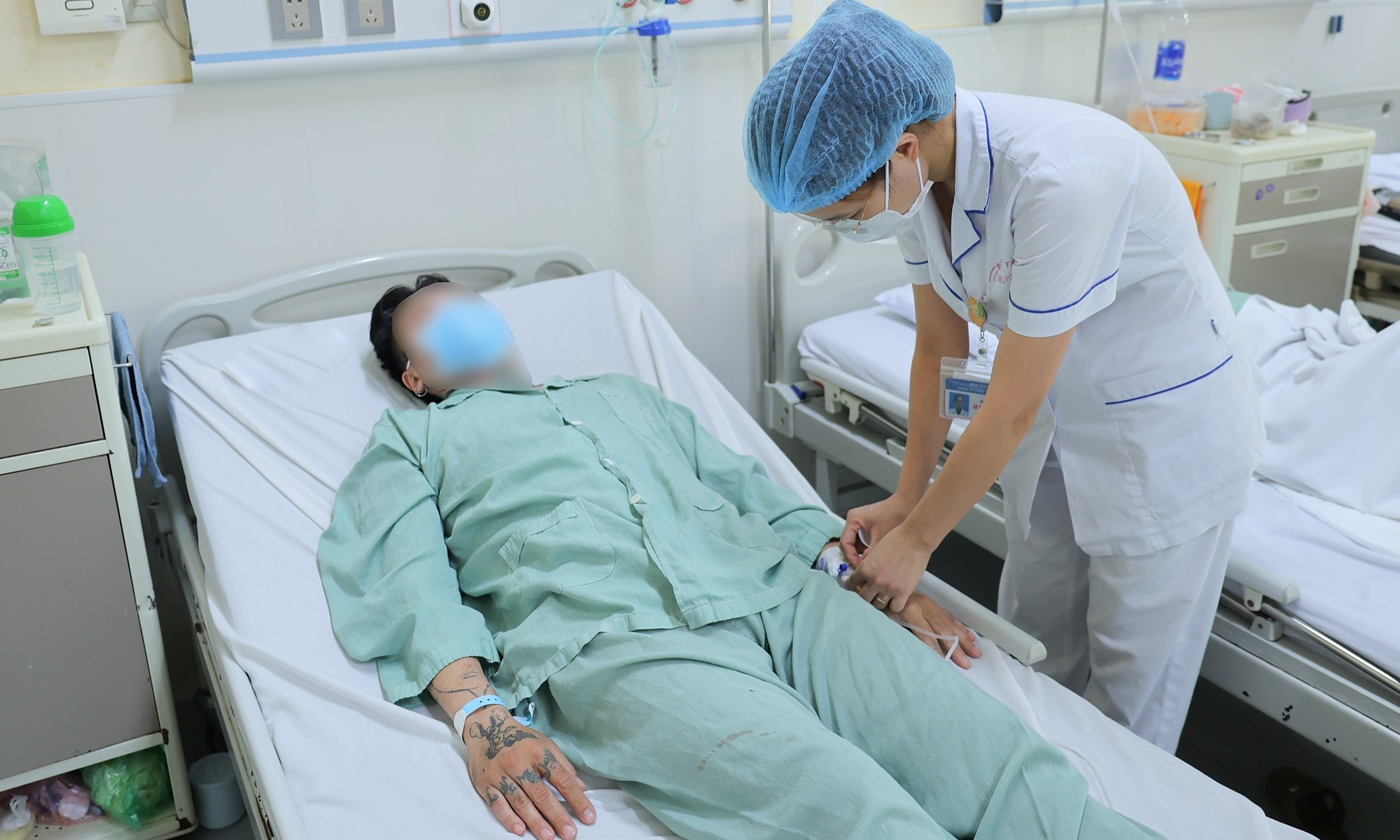 |
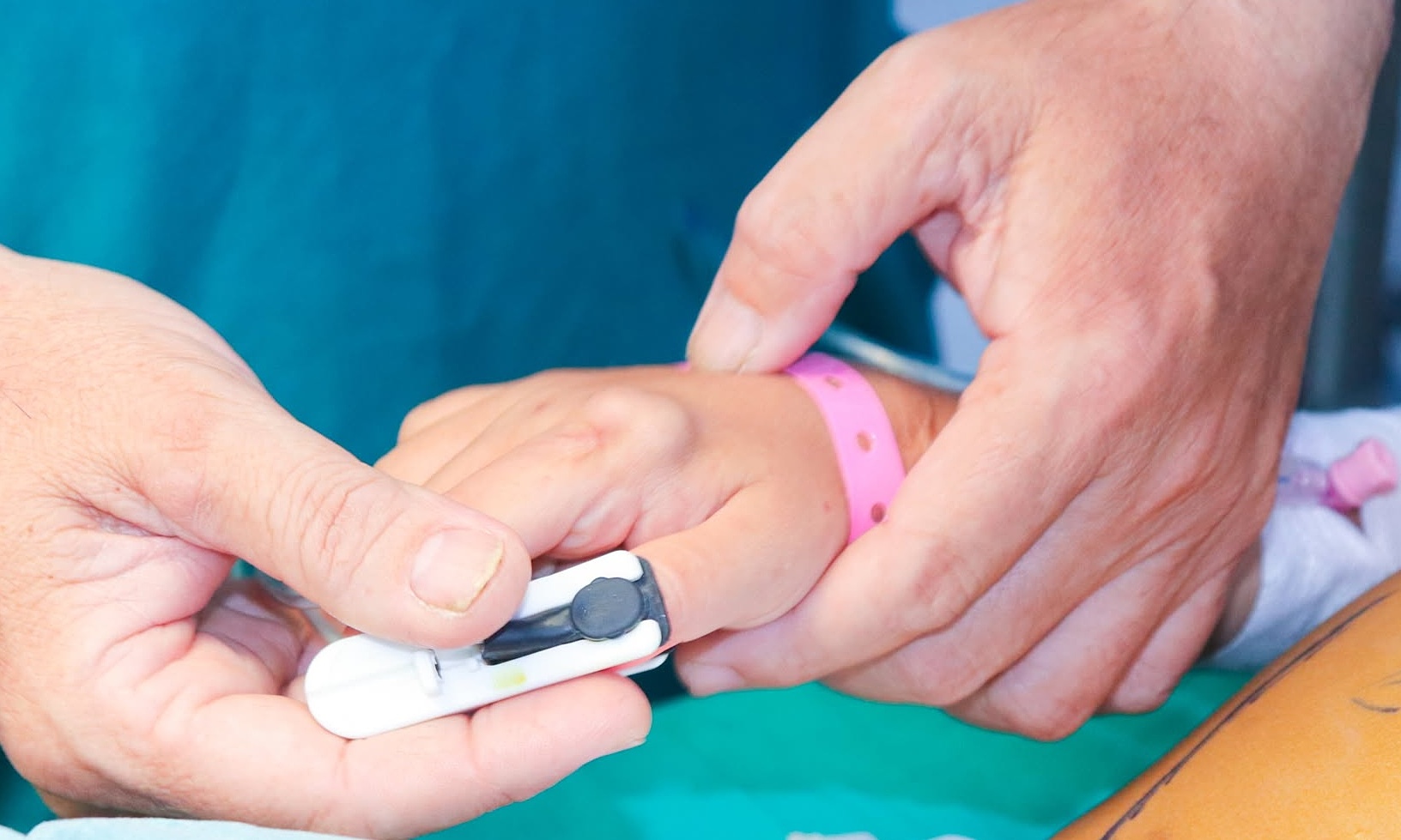
The patient recovering after autologous kidney transplantation. Photo: Thanh Xuan. |
Unlike typical autologous kidney transplants, which involve moving the kidney to the pelvic fossa and require two incisions and complex ureter re-implantation, doctors re-implanted this patient's kidney directly into its original renal fossa. This surgical technique created a very narrow and deep surgical field in the renal fossa, posing significant challenges for vascular anastomosis. However, this approach shortened surgery time and minimized trauma to the patient.
During the procedure, as blood flow was re-established through the reconnected vessels, the kidney gradually transformed from an ischemic state to a healthy pink color and began secreting urine directly on the operating table. This indicated the organ's successful revival.
Over 10 days post-surgery, the patient is recovering well and walking normally. Tests and imaging show kidney function has returned to normal, with stable re-established blood vessel circulation and good kidney perfusion.
"The success of in-situ autologous kidney transplantation is a significant professional milestone, offering an opportunity for organ preservation for patients with particularly severe kidney trauma, rather than requiring kidney removal," Doctor Lien said.
Le Nga