According to the Vietnam Digestive Science Association, 70% of the population faces the risk of stomach disease and Helicobacter Pylori (HP) infection, a key cause of gastric cancer. Gastric cancer is increasingly affecting younger individuals; those under 40 now represent 20-25% of all cases.
Associate Professor Nguyen Lan Hieu, Director of Hanoi Medical University Hospital, attributes this trend to several factors, including subjective diagnostic practices. During endoscopy, doctors visually inspect the gastric lining through a camera.
"A slightly redder, swollen gastric lining, with some mucus or small bumps, is often classified as inflammation," he notes. This qualitative assessment overlooks the gastric lining's sensitivity; it can redden due to factors like spicy food, late nights, stress, alcohol, pain relievers, or extended fasting before an endoscopy.
Internationally, doctors often record a "pink gastric lining" or "no significant lesions" if the lining is mildly red without ulcers. However, in Vietnam, many doctors diagnose "inflammation" for safety, to prompt lifestyle changes, and to comply with health insurance rules. Some unofficial clinics even use this diagnosis to prescribe unnecessary supplements and anti-reflux medications for financial gain.
Unhealthy dietary habits also contribute to the rise of stomach conditions. Many Vietnamese consume few vegetables, excessive protein and salt, and frequently eat repeatedly fried or grilled foods. Consuming spoiled or expired items, or misusing unsafe spices, is also common. Smoking, heavy alcohol use, and stimulant abuse further elevate disease risk.
The HP infection rate among Vietnamese is also very high. This bacterium resides beneath the stomach's protective mucus layer, causing mild chronic inflammation that can persist for years without clear symptoms. Consequently, mild chronic inflammation observed during endoscopy often reflects a common epidemiological feature rather than a serious pathology.
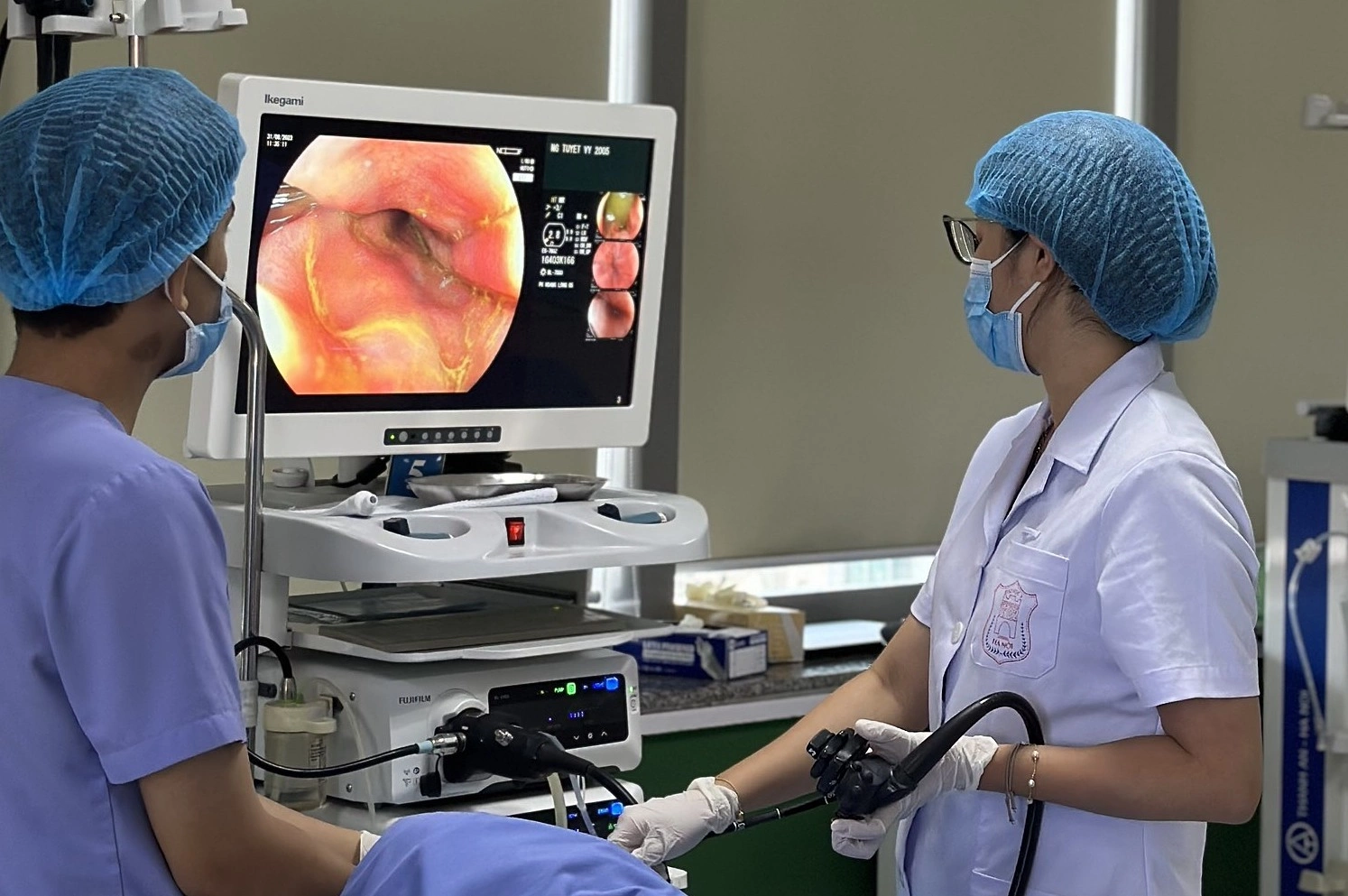 |
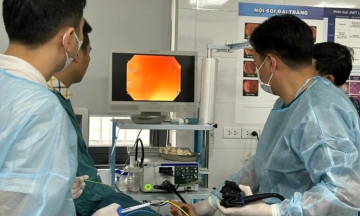
A doctor performs an endoscopy to check a patient's health. *Photo: Provided by doctor*
According to the associate professor, doctors should only diagnose gastritis with concrete evidence from endoscopy or histopathology, which involves analyzing tissue samples under a microscope. Reliable indicators include ulcers, bleeding erosions, or a thinned lining with visible underlying blood vessels.
Doctors should also consider intestinal metaplasia or dysplasia, lesions that can potentially lead to cancer. Biopsy results indicating inflammatory cell infiltration, such as lymphocytes and polymorphonuclear leukocytes, along with glandular atrophy and intestinal metaplasia, are also crucial.
Doctor Ha Hai Nam, Deputy Head of Abdominal Surgery 1 at K Hospital, warns that the increase in younger gastric disease cases will raise digestive cancer risk. He recommends a healthy lifestyle for prevention: regular exercise and a balanced diet. Daily exercise for at least 30 minutes strengthens immunity. Limiting alcohol and avoiding smoking effectively reduce disease risk. People should also avoid excessive fats, spices, or moldy foods, and increase their intake of fruits, green vegetables, and essential vitamins.
Doctor Nam advises limiting stomach-harming foods like fried dishes, high-fat items, or processed foods such as sausages and pickled vegetables. Studies show that consuming red or processed meat multiple times weekly significantly increases digestive cancer risk.
Specifically, consuming just 100g of red meat daily increases cancer risk by 17%. An additional 50g of processed meat daily, like sausages or bacon, further raises this risk by 18%. This is due to preservatives such as nitrates and nitrites in processed meats, which can convert into carcinogenic compounds in the body.
For individuals with a family history of cancer, Doctor Nam recommends proactive early screening, particularly after age 30. Endoscopy allows doctors to directly observe lesions, accurately assess malignancy and local invasion, and obtain biopsy samples for definitive histopathological diagnosis.
Thuy An