During pregnancy, the body produces numerous hormones such as progesterone, estrogen, oxytocin, prolactin, and relaxin to support fetal development and prepare for childbirth. These hormonal shifts affect many organs, including the eyes. Fluctuations in hormones and physiological stress during pregnancy can heighten the risk of developing eye problems or worsen existing conditions.
Dr. Doan Thi Phuong Nhi, a specialist in high-tech ophthalmology at Tam Anh General Clinic District 7, highlights common eye conditions during pregnancy.
Dry eyes
Rapid increases in estrogen and progesterone can disrupt lacrimal gland function, impairing tear production and leading to dry eyes. Additionally, changes during pregnancy may reduce the production of lipids and other lubricating substances, altering tear consistency and causing dryness, irritation, and excessive tearing.
Thyroid-related eye disease
Thyroid eye disease in pregnant women occurs when the thyroid gland is overactive (hyperthyroidism), producing more hormones than usual. This condition can cause one or both eyes to bulge and eyelids to retract. Elevated thyroid hormones lead to swelling of the rectus muscles and tissues around the eyes, pushing the eyes forward. Symptoms may include eyelid swelling, dry eyes, vision impairment, or double vision. If left untreated, it can result in blindness.
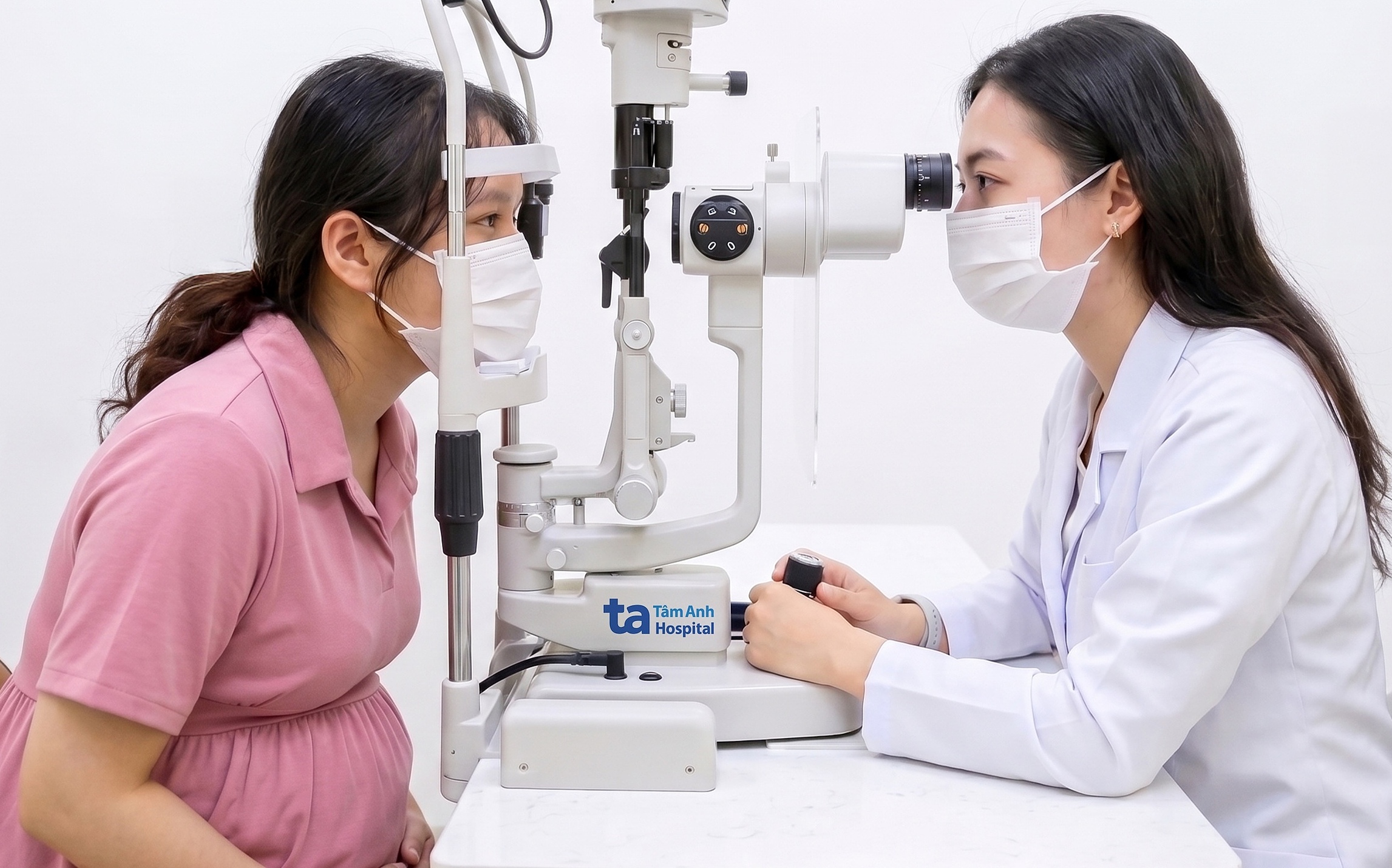 |
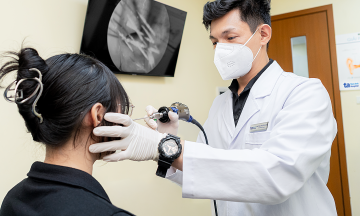
Dr. Nhi examines a pregnant woman's eyes. Illustration: Tam Anh General Hospital |
Eye complications from preeclampsia and eclampsia
Preeclampsia is a condition that can arise during pregnancy, characterized by high blood pressure and multi-organ damage, often accompanied by proteinuria. Eclampsia is a severe complication of preeclampsia, occurring when pregnant women experience seizures not caused by other neurological factors. Common eye conditions include gestational retinopathy, which causes swelling, retinal detachment, and retinal hemorrhage, and cortical blindness, leading to vision loss.
Eye complications from preeclampsia and eclampsia require emergency medical attention due to the risk of serious complications. Symptoms vary depending on the condition and severity, but patients may notice early signs such as reduced vision, light sensitivity, blind spots, seeing black dots, or visual hallucinations.
Diabetic retinopathy
Hormonal changes during pregnancy can worsen diabetic retinopathy. High blood sugar levels damage the blood vessels supplying the retina, affecting vision and potentially leading to severe complications if not treated promptly. Individuals with long-standing diabetes, gestational diabetes, or hypertension face a higher risk. As the condition progresses, pregnant women may experience blurred vision, dark spots, or difficulty seeing at night.
Dr. Nhi advises pregnant women to undergo regular eye check-ups every 3-6 months. Those with refractive errors or chronic underlying conditions such as diabetes, hypertension, or thyroid issues require close monitoring. If any unusual symptoms appear, seek timely examination at an ophthalmology hospital. Self-treatment should be avoided to ensure proper medication use and minimize potential adverse effects on both mother and fetus.
Ngoc Kim Tham
| Readers can submit ophthalmology questions here for a doctor's response |