No, eating perilla leaves does not help eliminate HPV or prevent genital warts, despite common belief. While perilla is a valued herb with various health benefits, there is no scientific evidence to support its efficacy against the human papillomavirus (HPV).
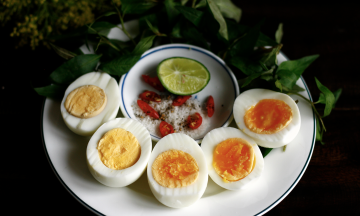
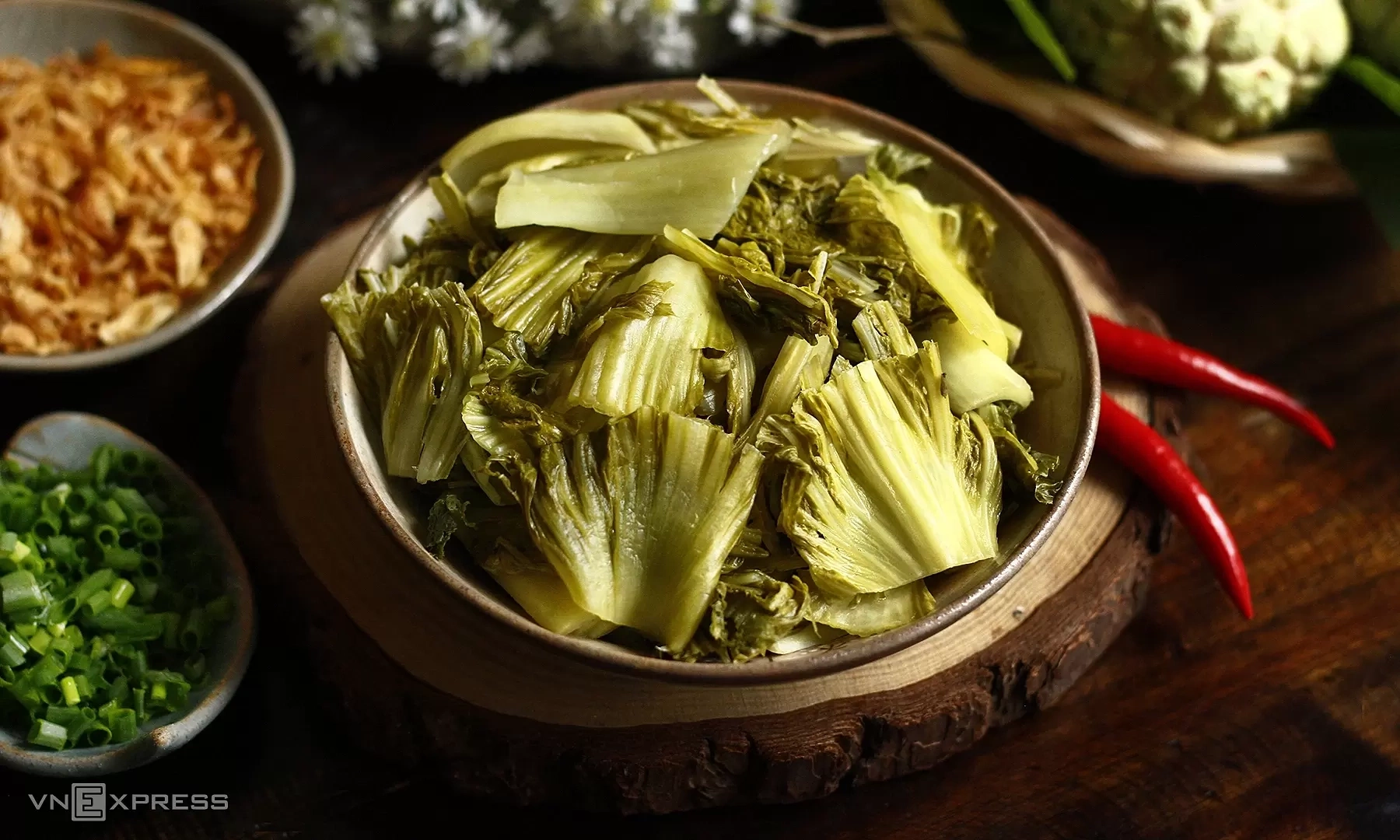
Perilla, a herbaceous plant often cultivated in gardens or found wild, is a popular vegetable and herb in Vietnamese cuisine. Its leaves, characterized by their egg shape, serrated edges, and purple or green color, possess a distinctive spicy taste and aroma. Rich in antioxidants, perilla is known to boost the immune system, offer anti-inflammatory, antibacterial, and antifungal properties, and aid digestion. However, no scientific research has demonstrated that perilla leaves can eliminate HPV or prevent genital warts.
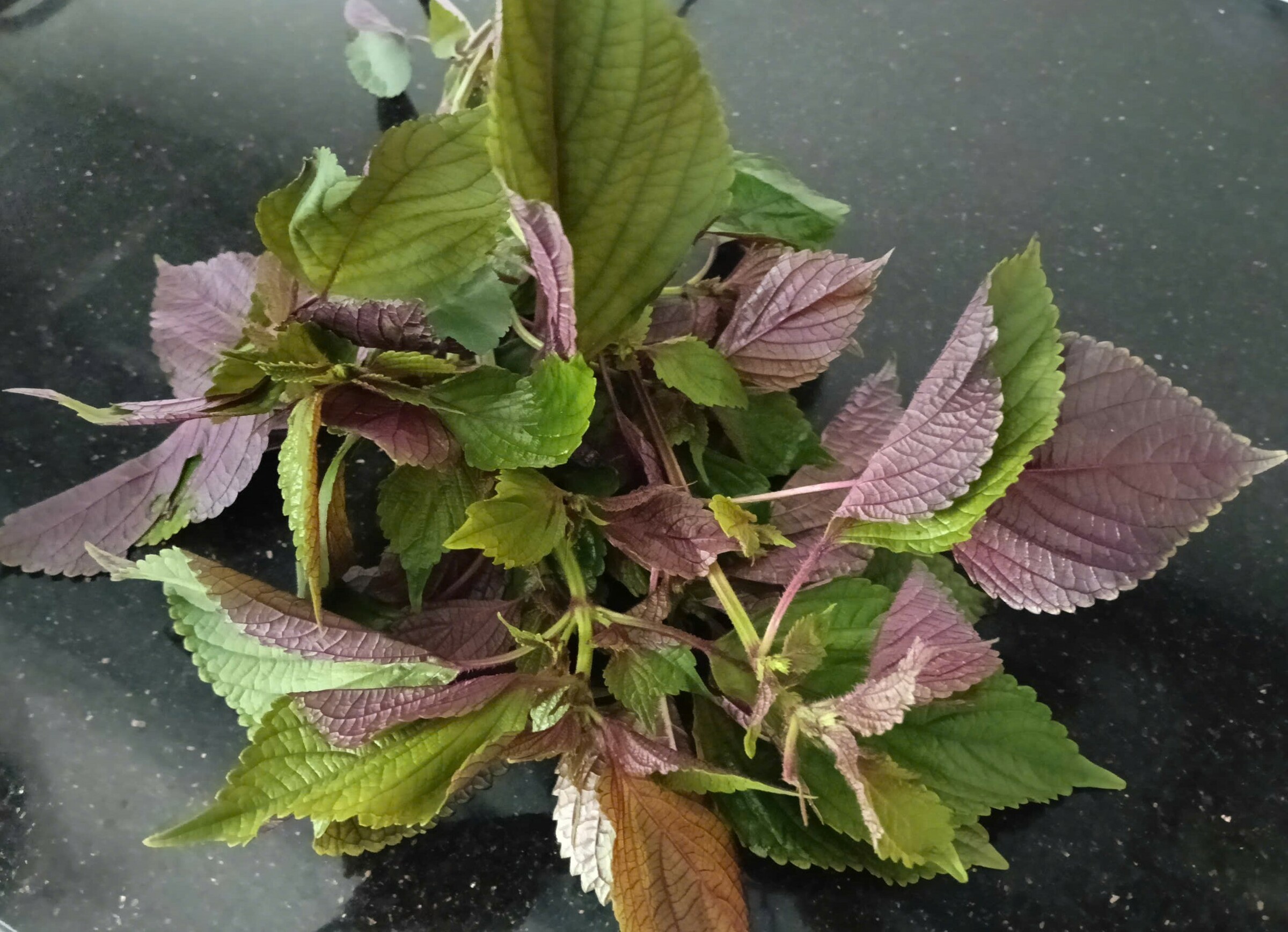 |
Perilla is a familiar aromatic vegetable in many Vietnamese dishes, eaten raw or as a seasoning. Photo: Hoang Duong |
The human papillomavirus (HPV) causes human papillomas. Scientists have identified about 200 virus types; 40 of these transmit through sexual contact, causing diseases in the genitals, anus, and mouth.
There is no specific medication to fully eliminate HPV from the body. Most individuals with healthy immune systems can naturally clear the virus within two years without symptoms. However, persistent infection can lead to genital warts or HPV-related cancers. Types 6 and 11 are common HPV types responsible for most genital wart cases.
Genital warts appear as soft, skin-colored or pale pink growths, either singly or in clusters resembling cauliflower or a rooster's comb. These warts can bleed easily and may be painful, itchy, or asymptomatic. As a sexually transmitted infection, HPV not only causes physical discomfort but also affects patients' mental well-being, often requiring prolonged and costly treatment. Research also suggests that HPV infection can impact fertility.
Since you are infected with HPV type 6 but have not developed genital warts, it is important to avoid excessive worry or stress. Maintain a balanced diet, ensure adequate sleep, foster an optimistic outlook, follow your doctor's instructions, and monitor for any unusual signs. Even with an existing HPV infection, vaccination is recommended to protect against other common virus types covered by the vaccine, including: 11, 16, 18, 31, 33, 45, 52, and 58.
The current 9-type HPV vaccine is available for both males and females aged 9-45. Individuals aged 9-14 require two doses, administered 6-12 months apart. Those aged 15-45 receive three doses within 6 months.
Additionally, Vietnam offers a vaccine that prevents four common HPV types—6, 11, 16, and 18—for females aged 9-26.
Doctor Le Thi Minh Nguyet
(Medical Manager, VNVC Vaccination System)
Readers can submit vaccine-related questions for the doctor to answer here.