Botulinum poisoning, or botulism, is caused by the bacterium Clostridium botulinum, which produces a potent neurotoxin. Even a minute amount can lead to severe poisoning and potentially death if not treated promptly.
Clostridium botulinum bacteria are common in natural environments like soil and water. They can thrive in food under improper storage conditions, such as sealed, low-oxygen environments, producing botulinum toxin that poisons consumers. The bacterial spores are heat-resistant, meaning conventional cooking methods may not fully eliminate them if food is already contaminated.
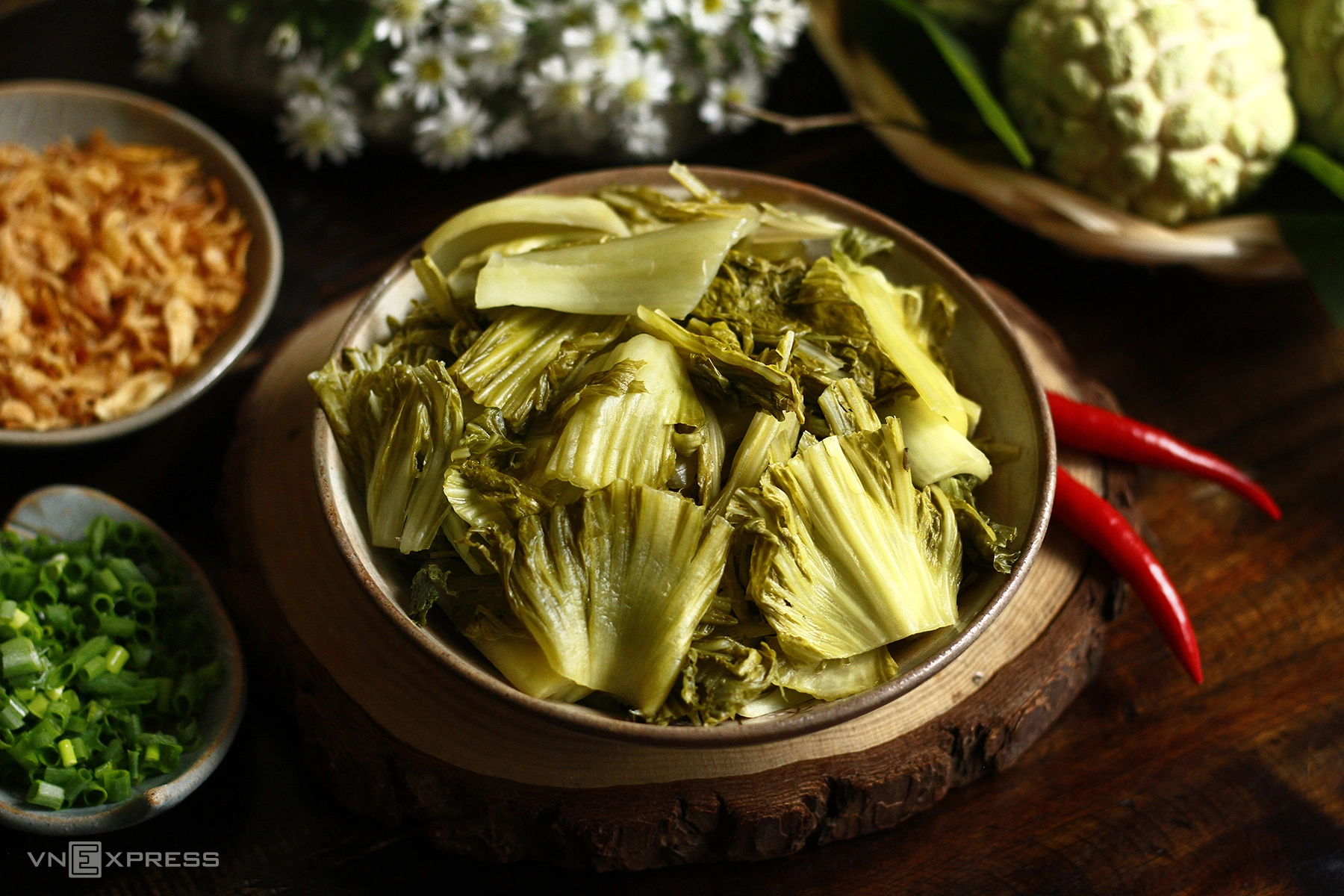 |
Improperly fermented or stored foods risk contamination with Clostridium botulinum, leading to food poisoning. *Illustration: Bui Thuy*
Fermented, pickled, or cured foods, such as fish sauce, pickled vegetables, and other fermented produce, are common dishes. However, if preparation processes lack hygiene, are not pasteurized, and involve prolonged sealed fermentation, favorable conditions arise for Clostridium botulinum to grow and produce toxins.
After consuming food contaminated with botulinum toxin, symptoms typically appear 12-36 hours later, or sometimes even after several days. Poisoned individuals often experience vomiting, abdominal pain, and acute diarrhea, leading to dehydration and electrolyte imbalance. Once absorbed from the small intestine into the bloodstream, the toxin attacks nerve cells. Botulinum prevents the release of the neurotransmitter acetylcholine at nerve endings.
This disruption of nerve transmission causes symmetrical paralysis. Early symptoms often include drooping eyelids, double vision, blurred vision, difficulty swallowing, slurred speech, hoarseness, and dry mouth. As the condition progresses, weakness or paralysis can spread to the arms, chest, abdominal muscles, and legs.
In mild cases of poisoning, patients experience fatigue and muscle weakness, similar to general debility, and cannot perform normal strenuous activities. In severe cases, the illness progresses rapidly, potentially leading to paralysis of all muscles, resulting in phlegm accumulation, respiratory failure, and cessation of breathing, which can be fatal without immediate emergency treatment.
To prevent botulinum poisoning, individuals must exercise caution when consuming traditional fermented foods, including pickled dishes. Food preparation must ensure safety from raw ingredients to the fermentation process. Consumers should choose products with clear origins and quality standards. Avoid using sealed foods that have an altered smell, color, or unusual taste, as these may indicate contamination. Prioritize freshly prepared, thoroughly cooked meals. Properly refrigerate food within two hours of cooking to inhibit bacterial growth.
Substandard ingredients and preparation methods risk bacterial contamination. Many poisoning cases are also caused by foods contaminated with E.coli, Salmonella, Listeria, Bacillus cereus, Campylobacter, or Vibrio. Depending on the causative agent, symptoms can appear within hours or days after consuming contaminated food. If food poisoning is suspected, patients should immediately seek medical attention for examination.
Dr. Nguyen Anh Duy Tung
Specialist, Nutrition - Dietetics
Tam Anh General Clinic, District 7
| Readers can submit nutrition questions here for a doctor's answer. |