 |
The daily vitamin A requirement for children ranges from about 300-600 mcg, depending on age. Adults need approximately 700 mcg (women) and 900 mcg (men). The safe upper limit for adults is around 3,000 mcg per day, which should not be exceeded without a doctor's guidance.
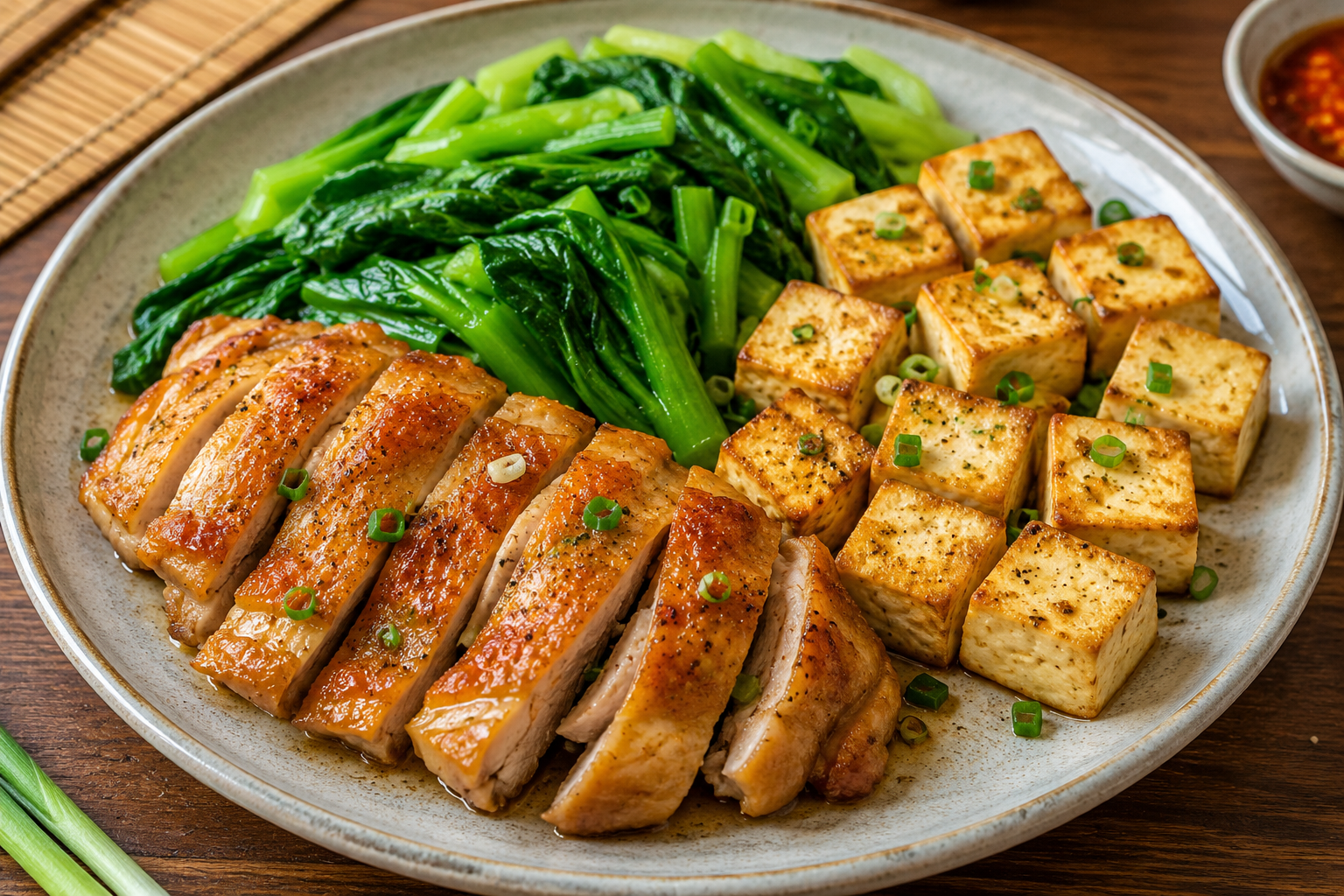
Vitamin A helps maintain corneal health and plays a role in converting light into signals for the brain to recognize images. Among various foods, liver is a primary source of vitamin A. However, due to its very high vitamin A content (about 5,620 mcg in 113 g of beef liver), it should be consumed in moderation, about once per week, to avoid excessive intake.
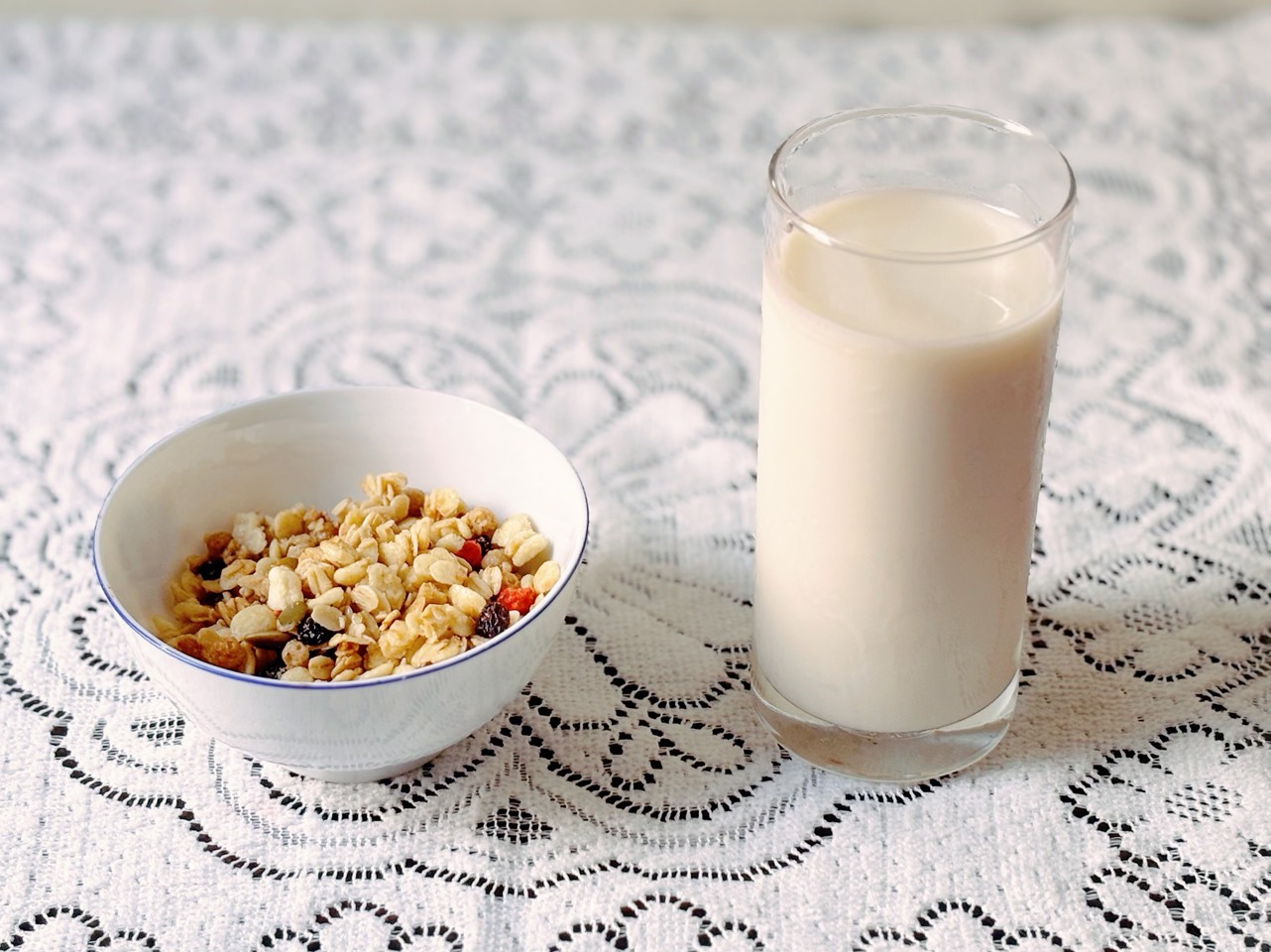 |
Milk and dairy products are good sources of vitamin A. Many milk varieties are fortified during production. A cup of 2% fat milk with added vitamin A provides about 137 mcg, and a slice of cheese contains approximately 74 mcg.
 |
Sweet potatoes provide a significant amount of vitamin A. A medium sweet potato offers about 1,190 mcg of vitamin A, which is more than 150% of the daily need in one serving. This root vegetable contains pre-vitamin A carotenoids, such as beta-carotene, an inactive form of the vitamin responsible for its deep orange color, which also functions as an antioxidant.
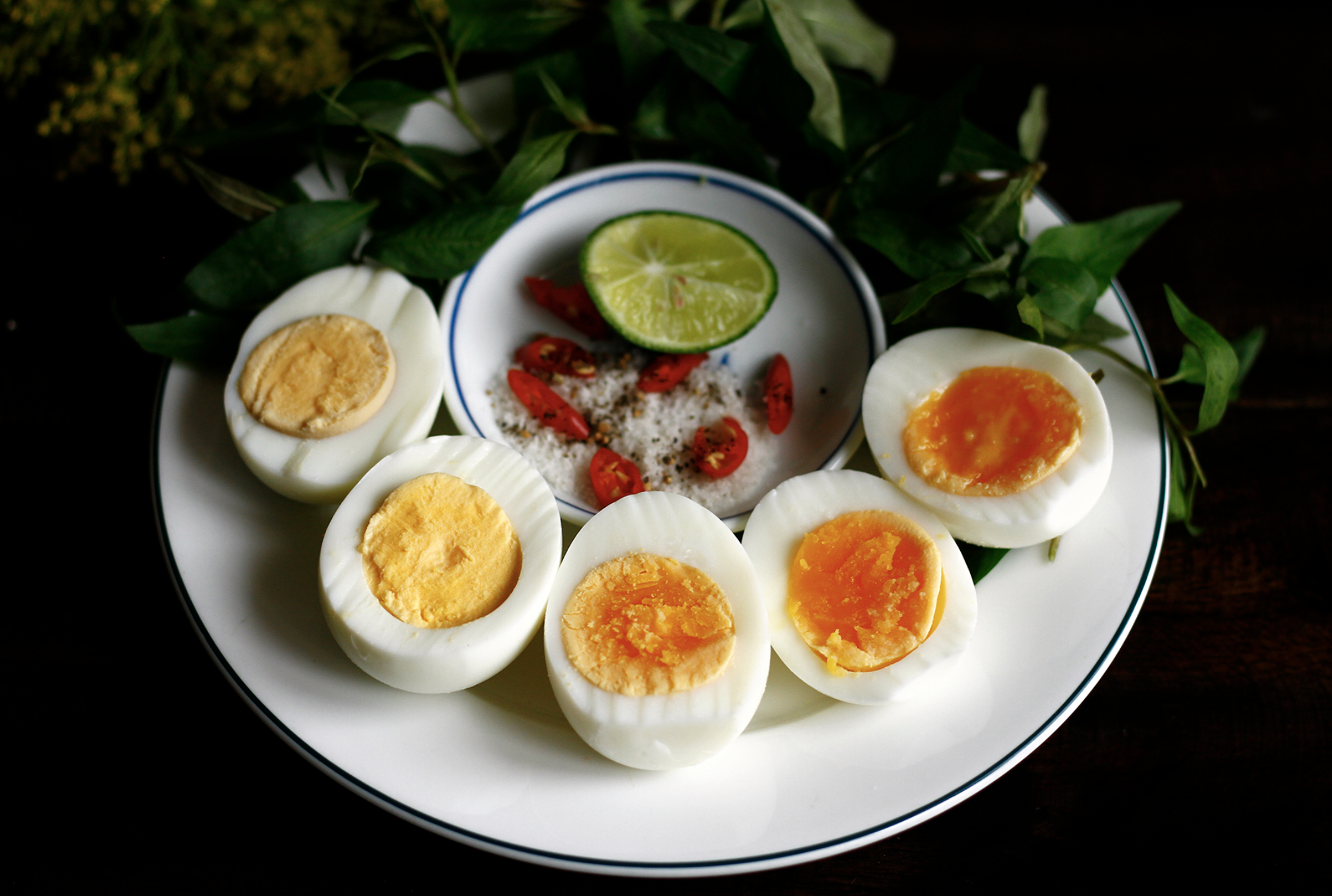 |
Egg yolks are a nutrient-dense source of vitamin A, lutein, zeaxanthin, and zinc. These nutrients help maintain corneal health, enhance night vision, and lower the risk of macular degeneration and cataracts. Eating one to two eggs daily provides highly bioavailable nutrients that protect the retina from oxidative stress and damaging blue light.
 |
Salmon, a fatty fish, is a highly nutritious food beneficial for eye health, primarily due to its high omega-3 content. Omega-3s can help prevent dry eyes and age-related macular degeneration. In addition to omega-3s, salmon provides vitamin A and vitamin D, supporting corneal health and overall vision.
Bao Bao (According to WebMD)
Photos: AI, Bui Thuy, Bao Bao