Rhinosinusitis is an inflammatory condition of the nasal and sinus mucous membranes, characterized by swelling and excessive mucus secretion, leading to nasal congestion, facial pain, impaired sense of smell, and fever. The condition often arises from bacterial or viral infections, allergies, or air pollution, all of which compromise the protective function of the mucous membrane. Individuals with a history of sinusitis or sensitive nasal membranes are at a high risk of recurrence when exposed to irritants, which can make symptoms more severe, prolonged, and challenging to manage.
Dr. Tran Quoc Phong, a Specialist Level I in Otorhinolaryngology at Tam Anh General Clinic, District 7, highlights several lifestyle habits and work-specific factors that increase the likelihood of sinusitis recurrence among office workers.
Prolonged exposure to low-temperature air conditioning
When the temperature is excessively low, the air becomes cold and dry, causing nasal mucous membranes to dry out and lose their natural protective mucus layer. Cold air also constricts blood vessels in the nasal and sinus membranes, reducing blood circulation. Consequently, the ciliary system operates less effectively, leading to mucus accumulation in the nasal sinuses. This creates a favorable environment for bacterial growth, triggering a recurrence of the condition.
Enclosed, poorly ventilated environments
In enclosed spaces, air exchange with the outside is restricted, which diminishes the ability to dilute and eliminate airborne irritants. Over time, fine dust, bacteria, viruses, and fungal spores can accumulate. Prolonged exposure to these factors can trigger an inflammatory response, manifesting as swelling, increased secretions, and impaired mucous membrane protective function. This also reduces the effectiveness of the ciliary system, causing mucus and microorganism clearance to stagnate, thereby increasing the risk of disease recurrence, particularly for individuals with allergic predispositions or respiratory illnesses.
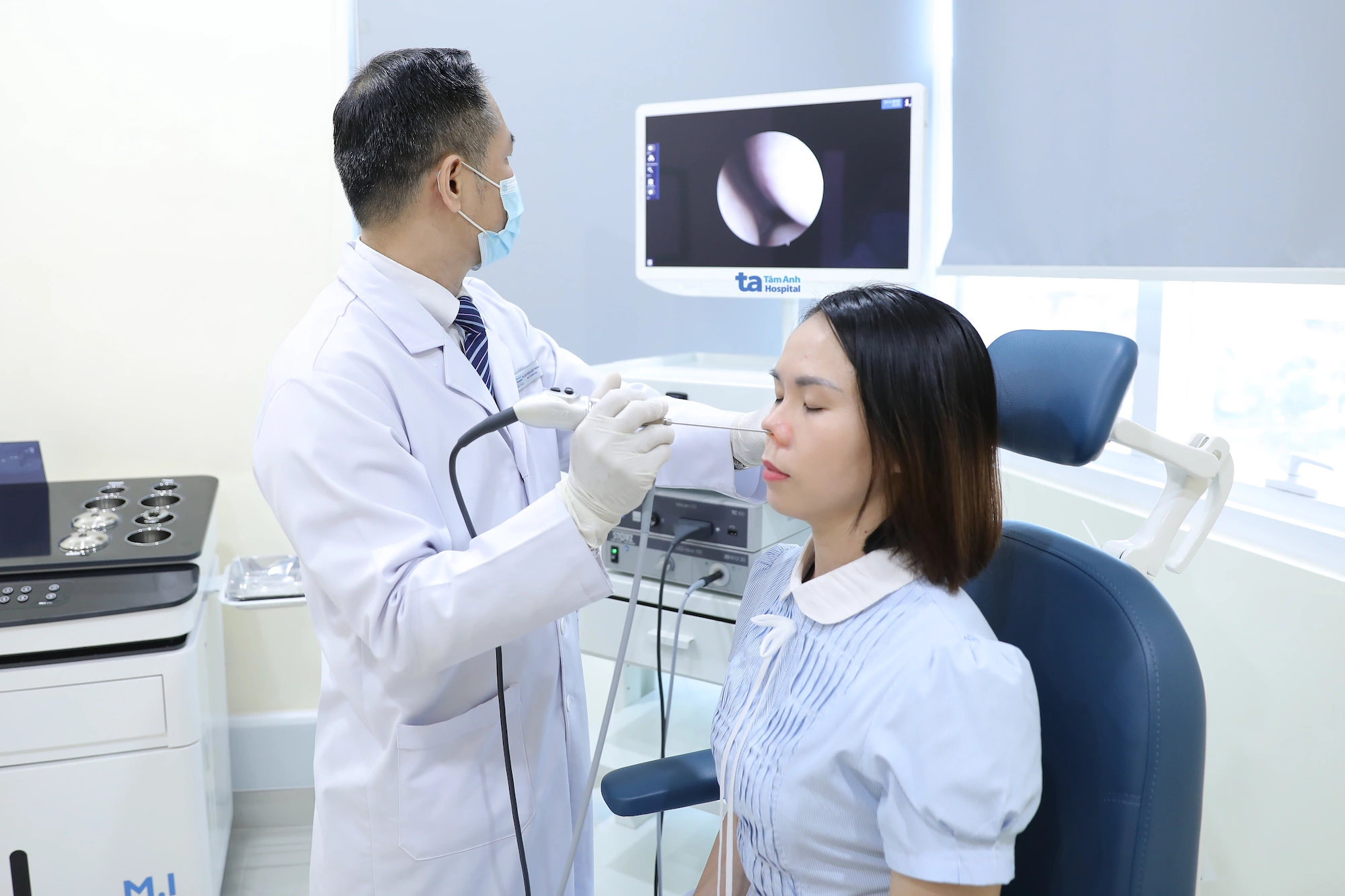 |
Dr. Phong performing a nasal endoscopy on a patient. Illustration: Tam Anh General Clinic, District 7 |
Insufficient water intake
When the body lacks sufficient water, the mucus layer in the nose becomes thicker and stickier, impeding its transport. For individuals with a predisposition to rhinosinusitis or allergies, consuming too many cold beverages can temporarily constrict blood vessels in the nasal and sinus mucous membranes, reducing blood supply and making them more sensitive to environmental agents.
Lack of sleep and prolonged stress
Insufficient sleep weakens the immune system, making the body more vulnerable to attacks from viruses and bacteria, which can cause inflammation. Prolonged stress promotes the production of stress hormones, increases inflammatory substances, and enhances the sensitivity of the nasal and sinus mucous membranes.
Dr. Phong advises office workers to manage the condition by adopting habits such as drinking enough water, limiting exposure to excessively cold air conditioning, keeping the workplace clean, and rinsing the throat and nose with physiological saline daily. Additionally, he recommends boosting immunity through regular exercise, adequate rest, sufficient sleep, and stress management. Proactive monitoring of symptoms and appropriate treatment are essential to prevent prolonged inflammation from progressing to chronic sinusitis and diminishing quality of life.
Uyen Trinh