Answer:
Eyebrow tattoo removal does not cause real eyebrow hair loss if performed with the correct technique, using modern pico laser technology, and by a specialized doctor.
Pico laser operates by selectively targeting ink particles in the dermis through a photo-mechanical mechanism. The laser energy breaks down ink particles into tiny fragments that the body gradually eliminates over time. Hair follicles, which nourish eyebrow hairs, are largely unaffected. When performed correctly, real eyebrow hairs continue to grow normally after treatment.
In some specific cases, individuals undergoing tattoo removal might experience mild, temporary hair loss. The risk of hair loss depends on the depth and color of the tattoo ink, laser energy used, and treatment frequency. If the ink is deep or similar in color to natural eyebrow hair, such as brown or black, doctors must use higher energy, which can temporarily affect hair follicles. Therefore, treatments should be spaced 4-6 weeks apart to allow the skin to recover, minimizing impact on hair follicles.
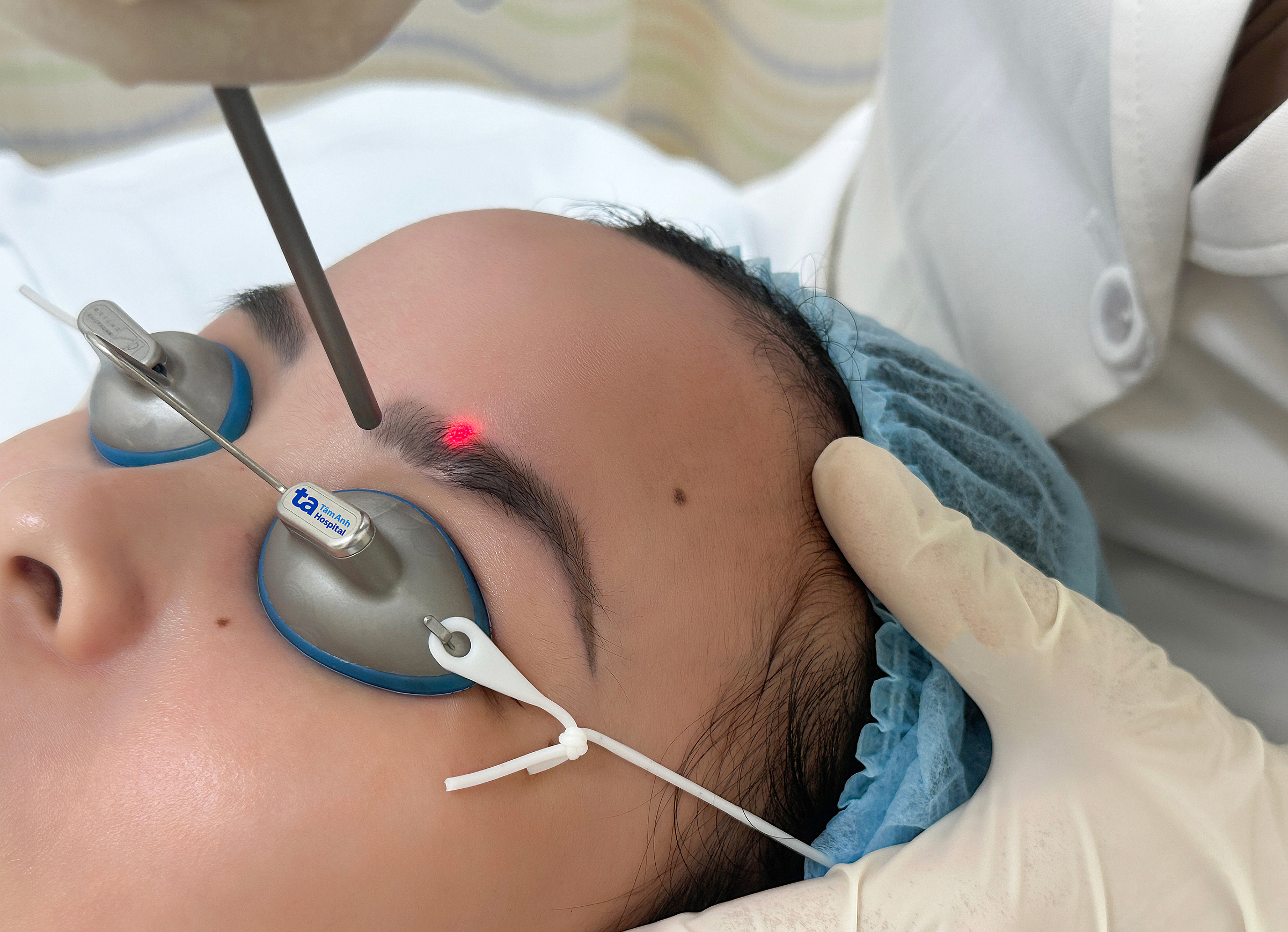 |
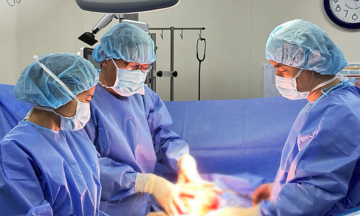
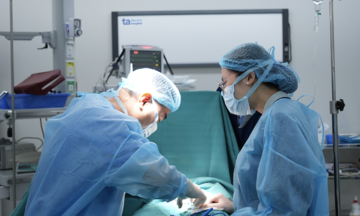
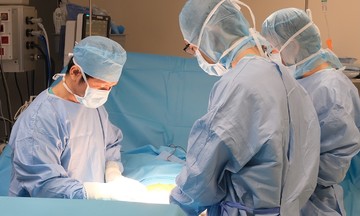
A doctor uses a pico laser to remove eyebrow tattoo ink. Illustration: Tam Anh General Clinic District 7 |
Individual physiological factors also influence the risk of hair loss. People with thin, sensitive skin or those who have had multiple previous cosmetic tattoos, resulting in prior damage to the eyebrow area, typically face a higher risk of hair loss. For these cases, doctors develop a cautious treatment plan and provide thorough recovery care instructions to protect hair follicles optimally.
If mild hair loss occurs after tattoo removal, there is no need to worry excessively. When hair follicles are not destroyed, eyebrows can fully regrow. Typically, after a few weeks or months, new hairs grow back soft and natural, just like before. Only in rare cases, where hair follicles are deeply damaged, might hair grow back slower or sparser, requiring additional recovery support measures.
To minimize the risk of hair loss and complications, it is crucial to follow post-treatment care instructions. These include keeping the skin area clean and dry, avoiding touching or scratching, refraining from picking scabs, limiting cosmetic use for the first 5-7 days, applying prescribed recovery cream, completely avoiding sun exposure, and attending follow-up appointments as scheduled.
You should choose a reputable facility with a Doctor of First Degree Specialization in Dermatology - Cosmetic Dermatology to examine and provide thorough consultation before treatment. This ensures optimal aesthetic results and avoids affecting natural eyebrow hairs.
Doctor of First Degree Specialization Vo Thi Tuong Duy
Dermatology - Cosmetic Dermatology Unit
Tam Anh General Clinic District 7
| Readers can send questions about cosmetic dermatology here for doctors to answer |