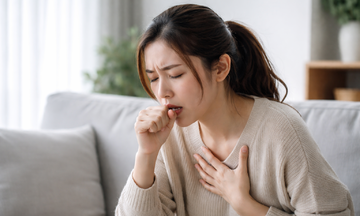
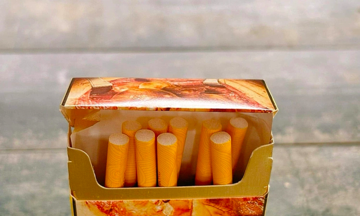
Smoking is not the sole cause of lung damage. Pollution, dust, and seemingly harmless daily habits can also silently harm this vital organ. Early identification of these risk factors contributes to long-term respiratory health protection.
Indoor pollutants
Cooking with wood, coal, or kerosene, along with fine dust particles, can harm the lungs. Other indoor pollutants include tobacco smoke, dust, pet dander, and moisture or mold from walls. Mold releases spores into the air. When inhaled, these can cause coughing, sneezing, respiratory irritation, worsen asthma, and increase the risk of fungal lung infections, particularly in individuals with weakened immune systems.
Workplace hazards
Workers in construction, mining, industrial manufacturing, or those frequently exposed to chemicals risk inhaling dust and toxic gases. Prolonged exposure can increase the risk of lung damage if proper protective equipment and adequate ventilation systems are not provided.
Air pollution
Vehicles, factories, and construction sites release fine dust and toxic gases, contributing to air pollution, which is common in large cities. These microscopic particles can penetrate deep into the lungs, causing respiratory irritation and inflammation, and worsening conditions like asthma. Poorly controlled asthma over time can lead to chronic inflammation, airway narrowing, and reduced lung function. Severe cases may result in chronic respiratory failure and right heart failure complications.
Seasonal respiratory infections and allergens
Seasonal pollen and respiratory infections can impact lung health. Pollen often triggers allergies, causing airway inflammation or worsening asthma. Meanwhile, illnesses like influenza can damage lung tissue. Furthermore, poor diet, lack of physical activity, and long-term alcohol consumption also contribute to lung damage.
It is advisable to keep living and working spaces well-ventilated to reduce the accumulation of harmful pollutants. Using air purifiers can improve indoor air quality. When outdoors in highly polluted environments, wearing a mask can protect the respiratory system. Limit the use of cleaning products containing volatile chemicals, opting instead for low-emission alternatives to reduce the risk of respiratory irritation.
Individuals working in environments with significant dust and smoke exposure should undergo regular health check-ups. In cases where lung disease progresses severely and does not respond to medical treatment, specialized interventions such as surgery or lung transplantation may be considered, as advised by a doctor.
Le Nguyen (According to WebMD, Times of India)
| Readers can submit questions about respiratory illnesses here for doctors to answer. |