Pancreatic cancer is a malignant disease originating in the pancreas, an organ located horizontally behind the lower part of the stomach in the abdomen. This type of cancer is particularly dangerous due to its rapid progression, low survival rates, and high mortality, especially when diagnosed at a late stage.
While obesity does not directly cause cancer, it is a significant risk factor for pancreatic cancer. Individuals with obesity often have dense adipose tissue and abundant visceral fat, which secrete adipokines (protein hormones) that can lead to inflammation. Additionally, hypertrophied fat cells may experience oxygen deprivation, undergo stress responses, and cell death, resulting in chronic inflammation. This process promotes insulin resistance and the ectopic deposition of lipid molecules in various organs. Ultimately, this directly increases the proliferation of pancreatic epithelial cells, which are pre-malignant.
 |
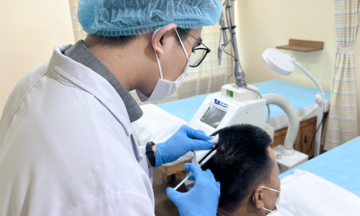
A cancer surgery at Tam Anh General Hospital TP HCM. Photo: Hospital provided |
The inflammation associated with obesity can also stimulate neoplastic (abnormally developing) pancreatic epithelial cells to produce local inflammatory cytokines and chemokines. A high body mass index (BMI) is linked to hyperglycemia, insulin resistance, and an increased risk of diabetes, all of which are factors associated with pancreatic cancer.
It cannot be definitively confirmed whether obesity is the cause of cancer in your two family members. However, losing 5-10% of body weight contributes to reducing the risk of many diseases, including cancer. If there are obese individuals in your family, they should consider early weight loss and limit foods containing fat and sweets, especially trans fatty acids, which increase inflammation and disrupt insulin secretion. Both of these factors promote cancer cell growth and weaken pancreatic function, thereby increasing the risk of the disease.
Adopting a healthy diet, maintaining a healthy weight, exercising regularly, not smoking, and limiting alcohol intake are important steps that boost immunity and protect overall health.
Doctor Lam Van Hoang
Head of Endocrinology - Diabetes Department
Tam Anh General Hospital TP HCM