According to the World Health Organization (WHO), tobacco is a leading cause of chronic lung disease and lung cancer. Even those who smoke very little—fewer than five cigarettes daily or infrequently—still face a significantly higher risk of illness compared to non-smokers.
Each cigarette contains thousands of harmful chemicals that enter the lungs, many of which are carcinogenic. Damage can begin with the first few puffs. Airway epithelial cells become inflamed, and the cilia system, which clears dust and bacteria, gradually becomes paralyzed. These changes may be mild, causing no obvious initial symptoms, but they accumulate over time. Whether you smoke a few cigarettes or infrequently, those around you can still inhale secondhand smoke, negatively impacting their health.
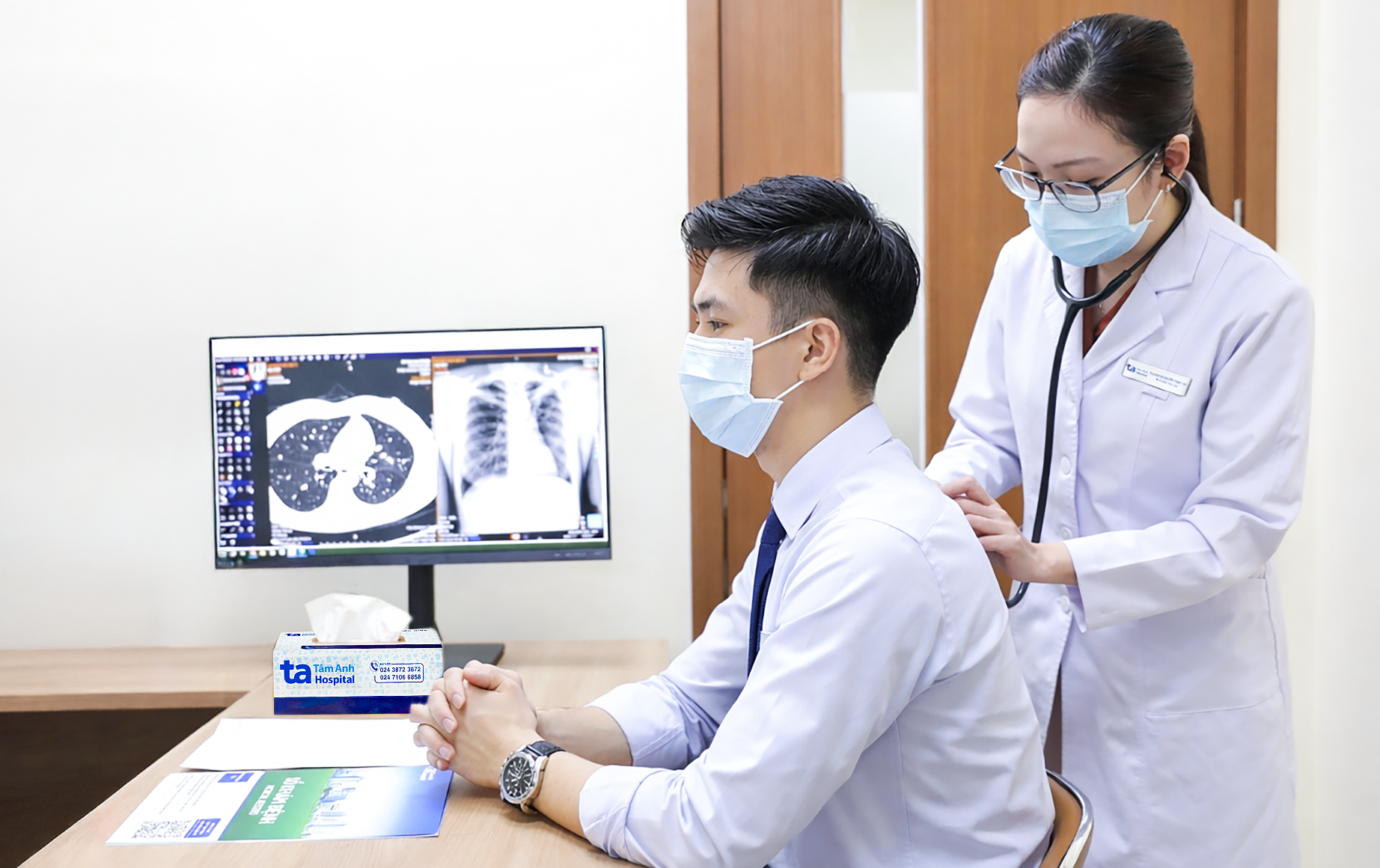 |
A doctor examines a man's lungs. Illustration: Tam Anh General Hospital |
For lung cancer, risk increases with cumulative tobacco exposure. Smoke can damage DNA and promote mutation accumulation over time, thereby raising the risk of lung cancer. Thus, even with infrequent smoking, the risk persists, though its progression may be slower.
The only effective measure to protect your lungs is to quit smoking entirely. If you experience unusual symptoms such as a persistent cough, dry cough, shortness of breath, or gasping, you should visit a hospital for examination.
Master, Doctor, First Degree Specialist Nguyen Thanh Thuy
Department of General Internal Medicine
Tam Anh General Hospital Ho Chi Minh City
| Readers can submit questions about respiratory diseases here for doctors to answer. |