Answer:
Many men facing azoospermia, a condition characterized by the absence of sperm in semen, often delay surgery due to a fear that testicular intervention could diminish their masculinity. However, this perception is inaccurate.
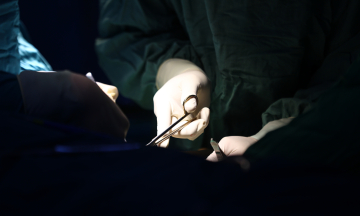
The testicles perform two distinct functions: producing sperm for reproduction and generating testosterone, the primary driver of libido and erectile function. Modern techniques, such as micro-TESE (microsurgical testicular sperm extraction), allow doctors to use high-magnification microscopes. This precision enables them to identify potentially viable seminiferous tubules without compromising the testicles' overall structure. Crucially, microscopic guidance prevents damage to nourishing blood vessels and Leydig cells, the very sites of testosterone production.
 |
A doctor examining a patient. Photo: Hospital provided. |
A doctor examining a patient. Photo: Hospital provided.
The perception of 'weakness' some men experience after surgery often stems from psychological factors. Excessive stress regarding sperm retrieval results or the immense pressure to conceive can lead to temporary erectile dysfunction. Furthermore, patients who undergo sperm retrieval surgery frequently have pre-existing conditions, such as hypogonadism or lower-than-normal testosterone levels. These conditions contribute to both azoospermia and sexual weakness concurrently, meaning sexual dysfunction is often not a direct result of the surgery itself.
Currently, sperm retrieval surgery serves as the ultimate option for azoospermic men to have biological children. Therefore, rather than being concerned about male sexual function, individuals should prioritize selecting reputable medical facilities equipped with modern microsurgical technology. This ensures both safety and the highest possible success rate for the procedure.
Doctor Nguyen Thi Nha
Director of the Reproductive Support Center, Buu Dien Hospital