 |
The glycemic index (GI) measures how quickly carbohydrates from food enter the bloodstream and raise blood sugar levels. Foods with a higher GI cause a more rapid spike in blood sugar compared to low-GI foods.
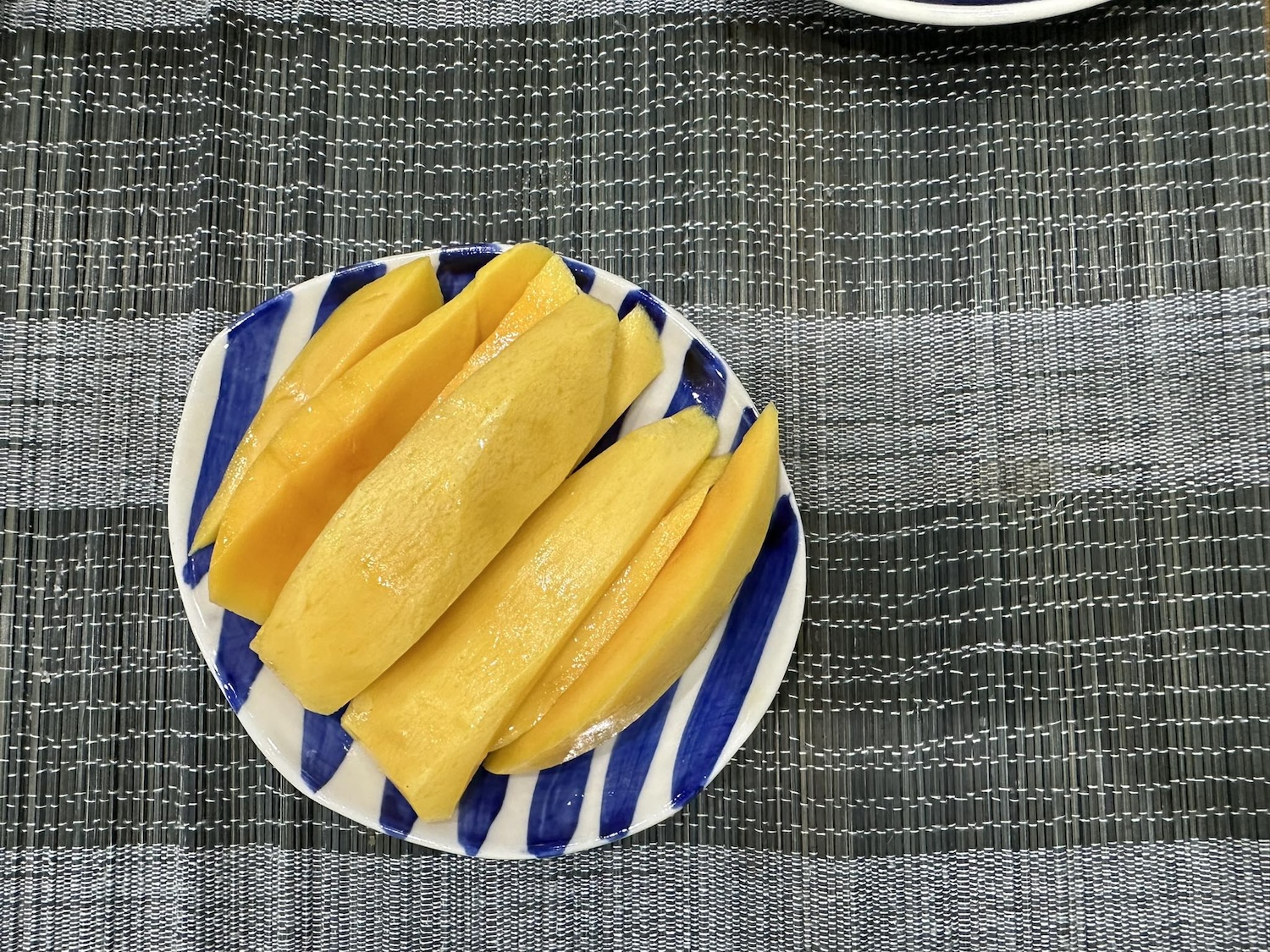
Ripe mango contains a high amount of natural sugar, approximately 15 grams per 100 grams. Consuming it on an empty stomach or in large quantities can lead to a sudden rise in blood sugar. Green mango typically has a GI between 23 and 33, placing it in the safe food category. However, when ripe, this fruit has a high GI, above 55. Individuals with diabetes should limit their intake of ripe mango, mango smoothies, or sweet dishes made from ripe mango to better manage blood sugar.
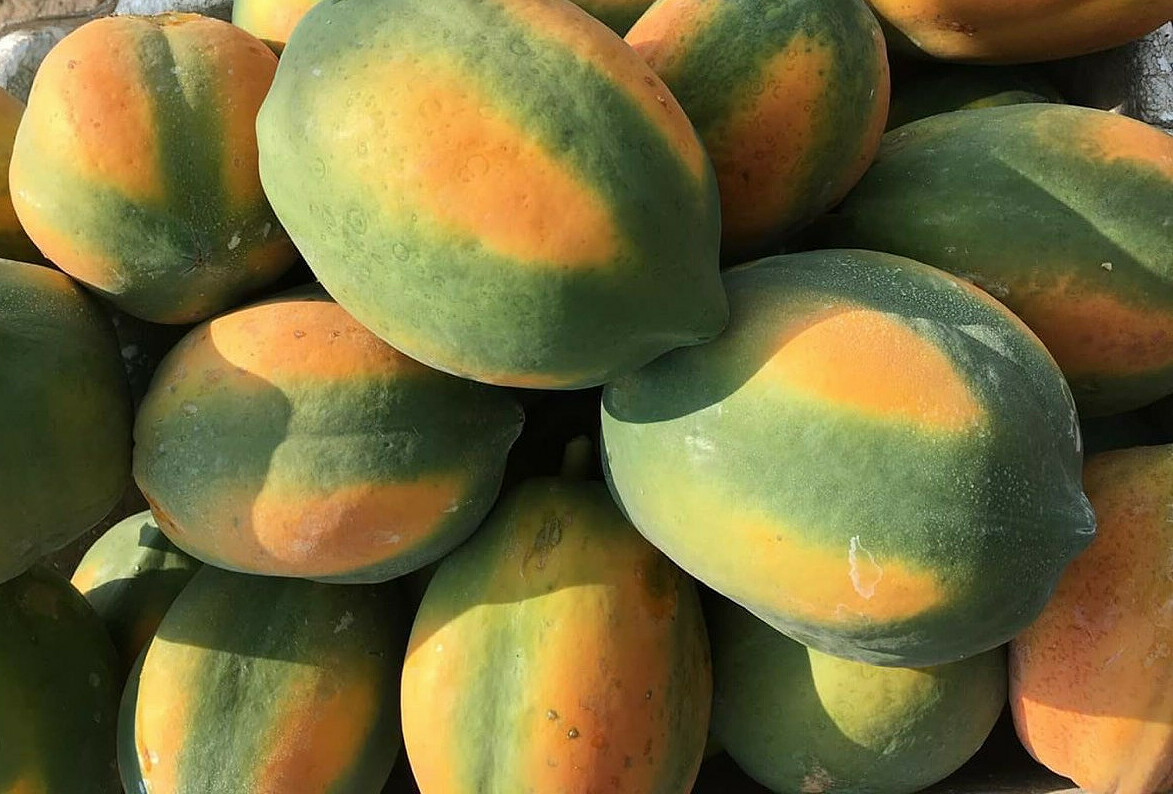 |
Ripe papaya has a glycemic index of approximately 60. One hundred grams of ripe papaya contains 48 kcal, 0.6 grams of protein, and 9.2 grams of carbohydrates. Foods with a GI above 60 typically cause a post-meal blood sugar increase. However, papaya is rich in water and fiber, which helps release sugar slowly into the bloodstream, thereby reducing its impact on blood sugar. It is advisable to eat papaya that is just ripe and firm, which helps reduce its natural sugar content. Avoid papaya smoothies, as they can increase the rate of sugar absorption.
 |
Durian is classified as a high glycemic index fruit (55-60), containing high sugar and energy (147-165 kcal per 100 grams), which can easily cause a sudden spike in blood sugar. Durian can also cause bloating if eaten on an empty stomach. Individuals with diabetes should limit this fruit to stabilize blood sugar and prevent diabetes complications.
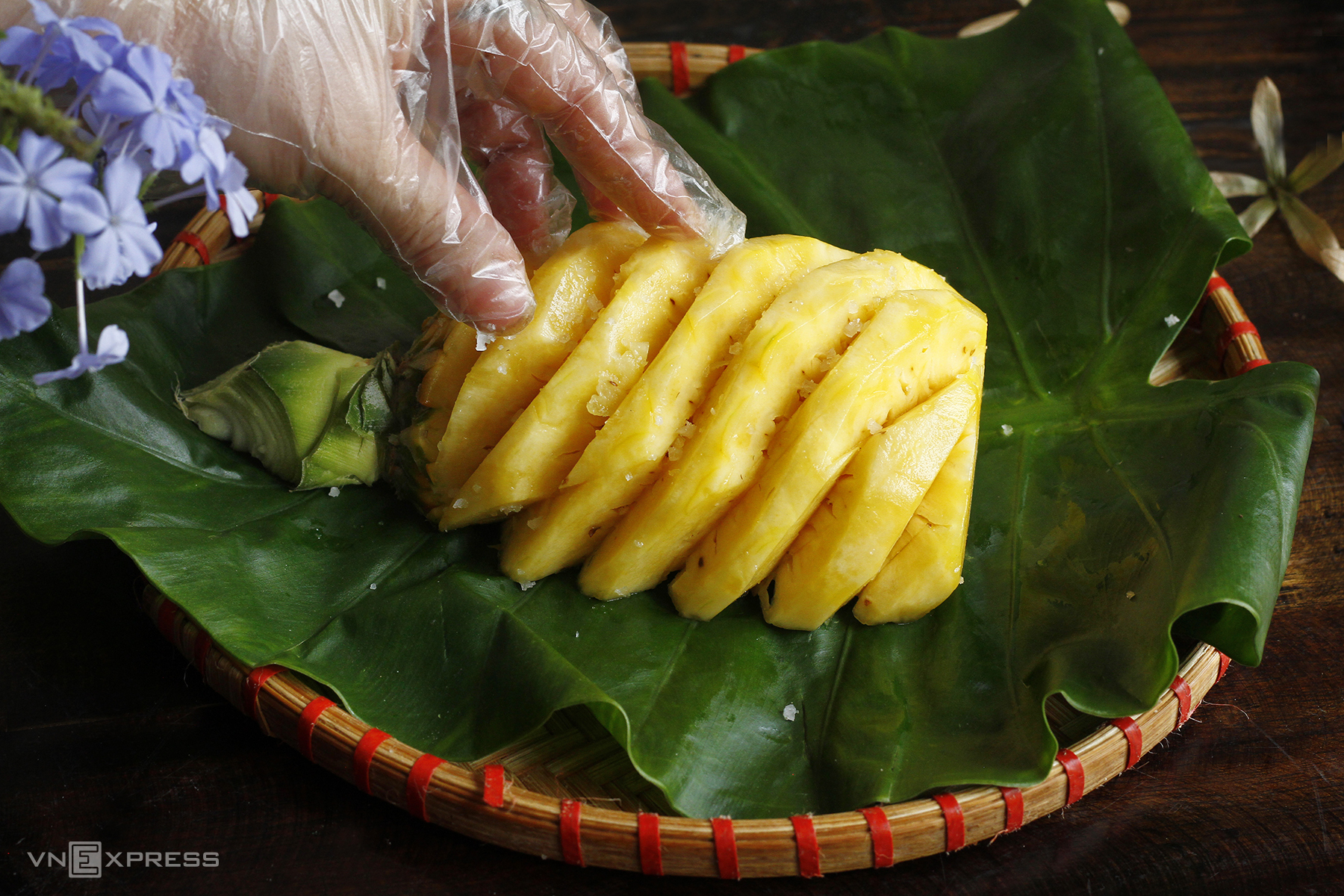 |
The glycemic index of ripe pineapple varies depending on factors such as ripeness, processing, and preparation methods. Fresh pineapple has a GI ranging from 56-66, while unripe pineapple, being tart, has a lower GI. However, when pineapple is canned or preserved in sugar as jam, its GI can increase to approximately 66-94 due to added sugar in the syrup.
 |
Jackfruit has a glycemic index (GI) ranging from 55-65. While it has a high fiber content, it cannot help maintain stable blood sugar if consumed in large quantities at once. It is advisable to eat about 75 grams of ripe jackfruit per serving daily, combined with a main meal rich in nutrients like protein and fiber. Avoid eating jackfruit on an empty stomach or dried jackfruit due to its high sugar load.
Anh Chi (According to Eating Well, Healthline, WebMD)
Photos: Anh Chi, Bui Thuy