Many people think eating raw oysters with lemon or strong alcohol makes them safer because acid or alcohol can eliminate bacteria. In reality, lemon or alcohol only change the taste and stimulate the palate; they cannot replace proper cooking. They are completely ineffective at killing bacteria and viruses that parasitize raw oysters.
In fact, many oysters that look fresh and taste naturally sweet can still harbor dangerous pathogens, such as: vibrio vulnificus, vibrio parahaemolyticus (bacteria causing cholera), parasites, and helminth larvae, which can be fatal. Oysters can also contain other chemical pollutants, including: mercury, lead, and cadmium, along with toxic "microplastic" particles. Furthermore, contaminated oysters do not always have an unusual smell or clear signs of spoilage.
The most important rule for this food is thorough cooking, especially for individuals with digestive disorders, seafood allergies, young children, and pregnant women. Those with chronic liver disease, cirrhosis, hepatitis, individuals undergoing cancer treatment or taking immunosuppressants, and those with diabetes or kidney conditions should also exercise caution when consuming oysters.
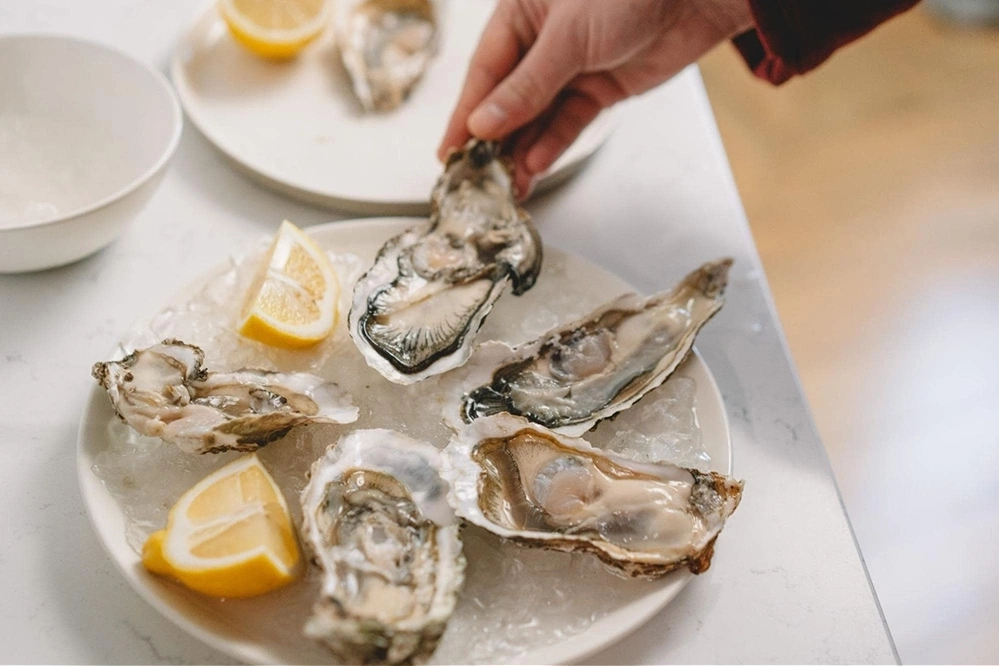 |
Illustrative photo: Manettas. |
Illustrative photo: Manettas.
Doctor Le Thi Huong Giang
Head of the Department of Dietetics and Nutrition, Benh vien 19-8 (Hanoi)