While pneumococcal vaccination does not directly prevent lung cancer, it promotes lung health and reduces the risk of pneumococcal pneumonia. This bacterium causes infections with a mortality rate of up to 50% and can increase the risk of lung cancer. Conversely, lung cancer patients are more susceptible to severe pneumococcal pneumonia.
Lung cancer is a leading cause of death. In 2022, Vietnam recorded over 24,000 new cases and nearly 23,000 deaths. Both pneumonia and lung cancer are dangerous, causing persistent cough, shortness of breath, chest pain, and hemoptysis. Lung cancer often progresses silently and is easily mistaken for other respiratory diseases, leading to late diagnosis for many individuals.
Therefore, regular health check-ups and cancer screenings are crucial for early detection and treatment. Tobacco use accounts for 90% of lung cancer cases, with smokers facing a 20 times higher risk. To mitigate this risk, individuals should avoid smoking and secondhand smoke, maintain a healthy lifestyle, and undergo periodic health examinations.
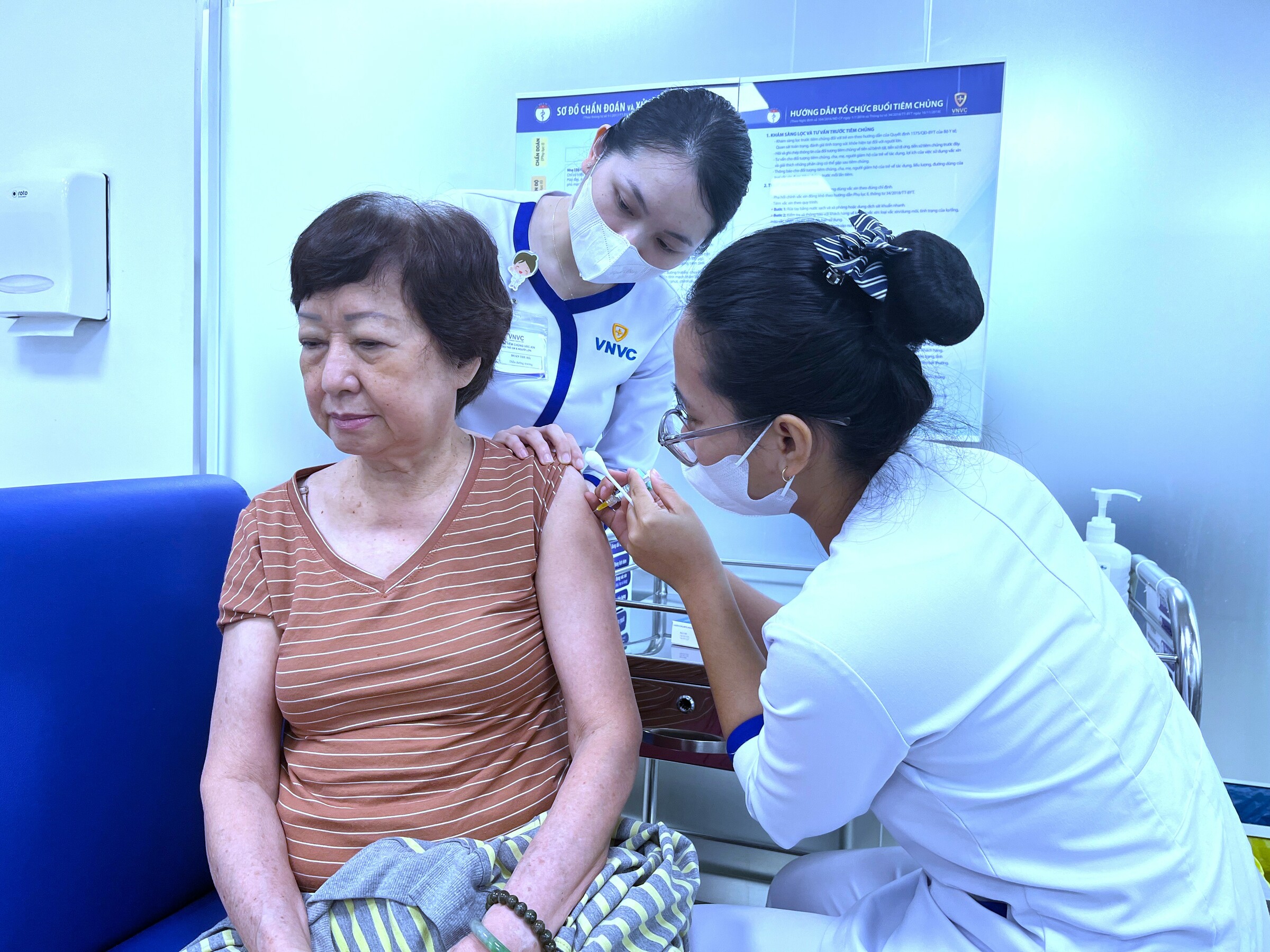 |
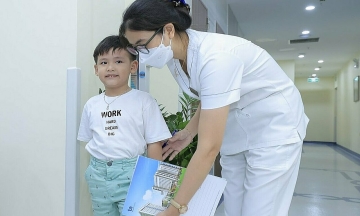
Elderly people receiving pneumococcal 20 vaccine to prevent pneumonia, sepsis, otitis media, and meningitis at VNVC Vaccination System. *Photo: Dieu Thuan* |
Currently, Vietnam offers several new-generation pneumococcal vaccines, including PCV13, 15, 20, and PCV23, suitable for both children and adults. These vaccines effectively prevent sinusitis, otitis media, pneumonia, meningitis, and sepsis caused by pneumococcal bacteria.
Beyond protecting those infected, these new-generation vaccines can also reduce asymptomatic carriage, thereby limiting community transmission. Your 65-year-old mother is eligible for all four vaccine types, but a doctor's screening and appropriate recommendation based on her underlying health conditions and vaccination history are essential.
Dr. Ngo Thi Kim Phuong, Master of Science
Medical Manager, VNVC Vaccination System
Readers can submit vaccine-related questions for a doctor's response here.