Flaxseeds are rich in omega-3, which helps reduce inflammation. They also contain lignans, plant compounds that can help inhibit the growth of cancer cells, particularly estrogen-related breast cancer. You can add flaxseeds to yogurt, oats, salads, soups, or smoothies two to three times each week.
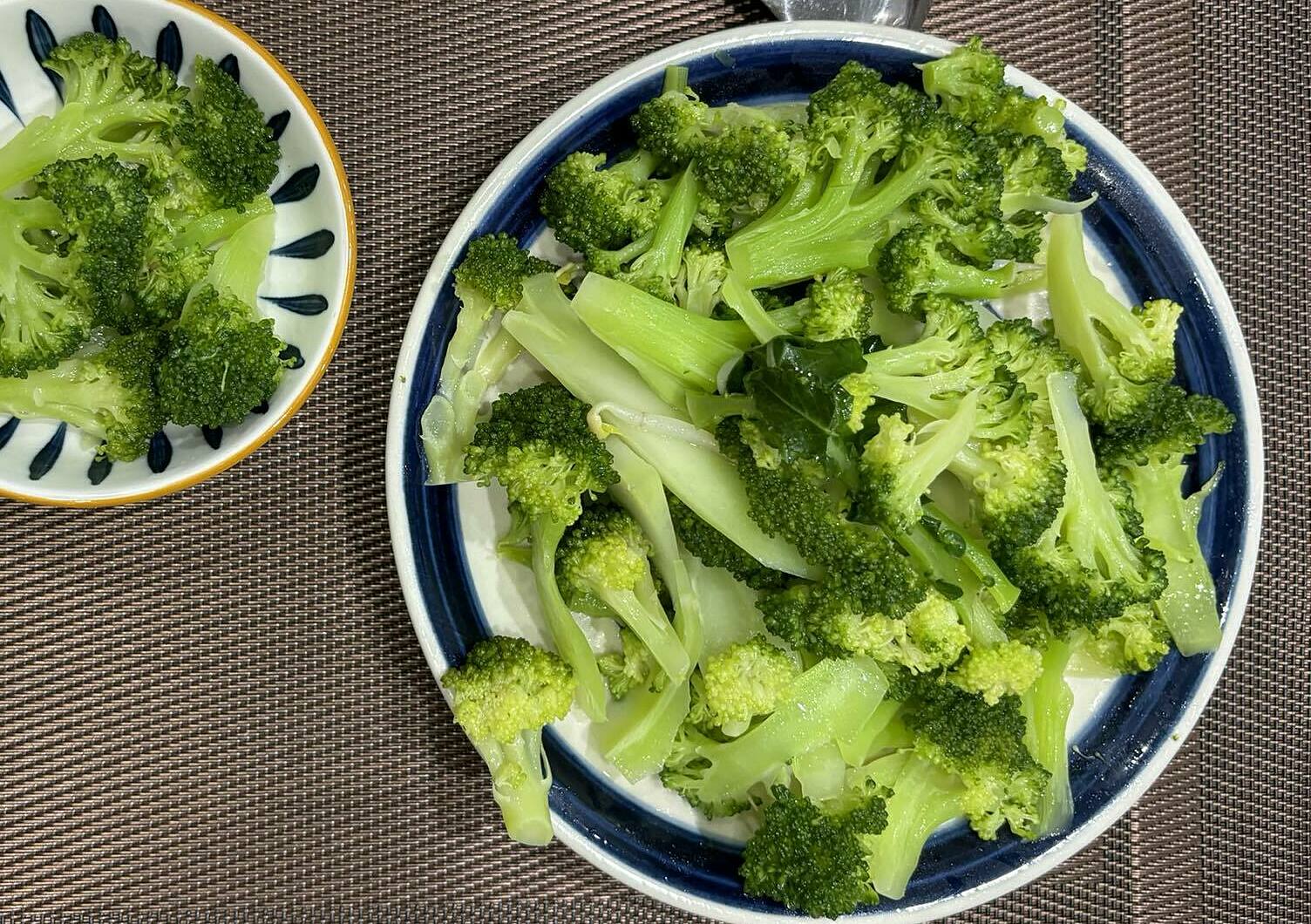
Broccoli is rich in vitamins A, C, and antioxidants. These protect cells from free radical damage, contributing to a lower risk of cancer, including breast cancer. Lightly blanching or steaming helps preserve more nutrients. Antioxidant-rich foods can also support patient health during breast cancer treatment.
 |
Turmeric contains curcumin, a compound that reduces inflammation and may help prevent the spread of breast cancer cells. Curcumin also supports tumor growth inhibition, linked to activating apoptosis (cell death), reducing the risk of several cancers such as breast, prostate, and colon cancer. Turmeric can be used in stir-fries, curries, soups, or mixed with tea and warm milk, according to Healthline.
Carrots contain carotenoids, natural pigments that give color to tomatoes and carrots. The body converts these into vitamin A, beneficial for eye health. They also help maintain healthy skin, avoiding damage that can lead to skin cancer. Carrots provide fiber and plant compounds that promote healthy cell development and stable bowel movements.
Salmon benefits health and reduces cancer risk due to its vitamin D and omega-3 content. According to WebMD, omega-3 can prevent blood vessel growth within tumors, while vitamin D boosts resistance.
This fatty fish is also rich in lean protein, promoting satiety and helping maintain a stable weight, which is important for reducing inflammation. Beyond salmon, other fatty fish like tuna, sardines, and anchovies are also rich in omega-3 fatty acids. Limit mackerel consumption to reduce mercury exposure.
Strawberries are rich in vitamin C, which boosts the immune system. They also contain antioxidants that protect the body from cell damage. Whether fresh, frozen, or dried, berries are tasty on their own and easy to add to yogurt, cereal, or smoothies.
Walnuts are versatile; one can eat them directly, add them to smoothies, grind them into drinks, or use them in baking and salads. They contain plant protein, which helps protect against breast cancer or reduces the risk of recurrence. The plant protein and healthy fats in walnuts help reduce inflammation, benefiting overall health.
By Anh Chi (Compiled)