Eng English
China 中国人

Eng English
China 中国人
  • News
  • World
  • Business
  • Entertainment
  • Sports
  • Law
  • Education
  • Health
  • Lifestyle
  • Travel
  • Science
  • Digital
  • Automobiles
  • Trở lại Thể thao
  • Health
Thursday, 11/6/2026 | 17:01 GMT+7

How to exercise for better lung health

Warming up before exercise, breathing through the nose, staying hydrated, avoiding polluted environments, and stopping when experiencing shortness of breath can help protect your lungs.

Warming up helps your body transition from rest to activity, allowing your breathing and heart rate to gradually increase. This reduces sudden stress on the respiratory system. According to Healthline, proper warm-ups ensure respiratory muscles work efficiently and lungs adapt well to increased oxygen demands during exercise. This prevents breathlessness, difficulty breathing, coughing, or airway spasms, especially for individuals with sensitive respiratory systems or existing conditions.

Avoid outdoor exercise during air pollution. When air quality is poor, concentrations of fine dust, exhaust fumes, and irritants are high. During exercise, faster breathing draws more air into the lungs, allowing pollutants to penetrate deeper into the respiratory tract. This causes irritation, coughing, shortness of breath, and reduced lung function. Over time, outdoor exercise in polluted environments can increase the risk of respiratory inflammation, asthma, and cardiovascular diseases. According to the Times of India, monitor air quality before exercising and opt for indoor activities when pollution levels are high.
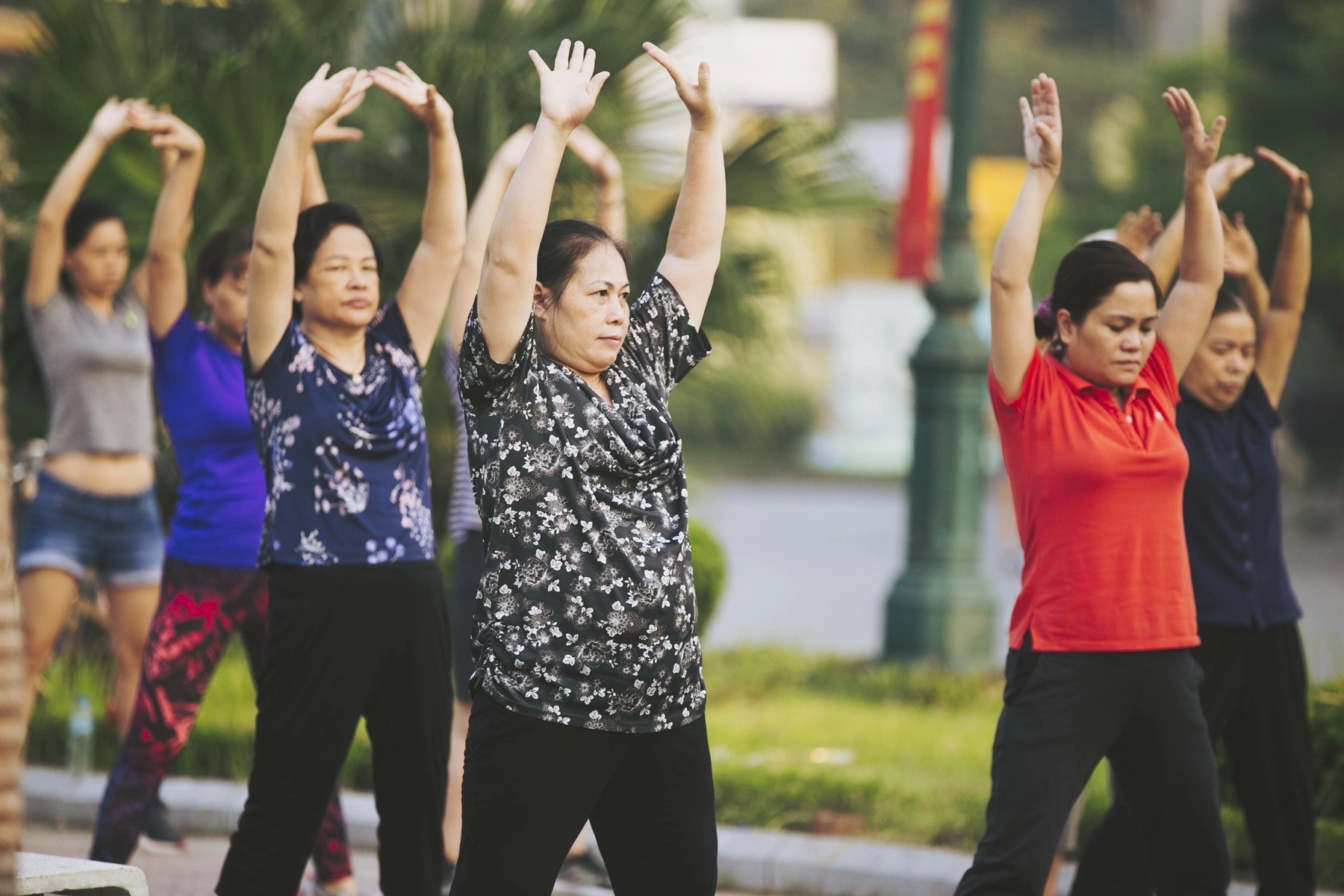
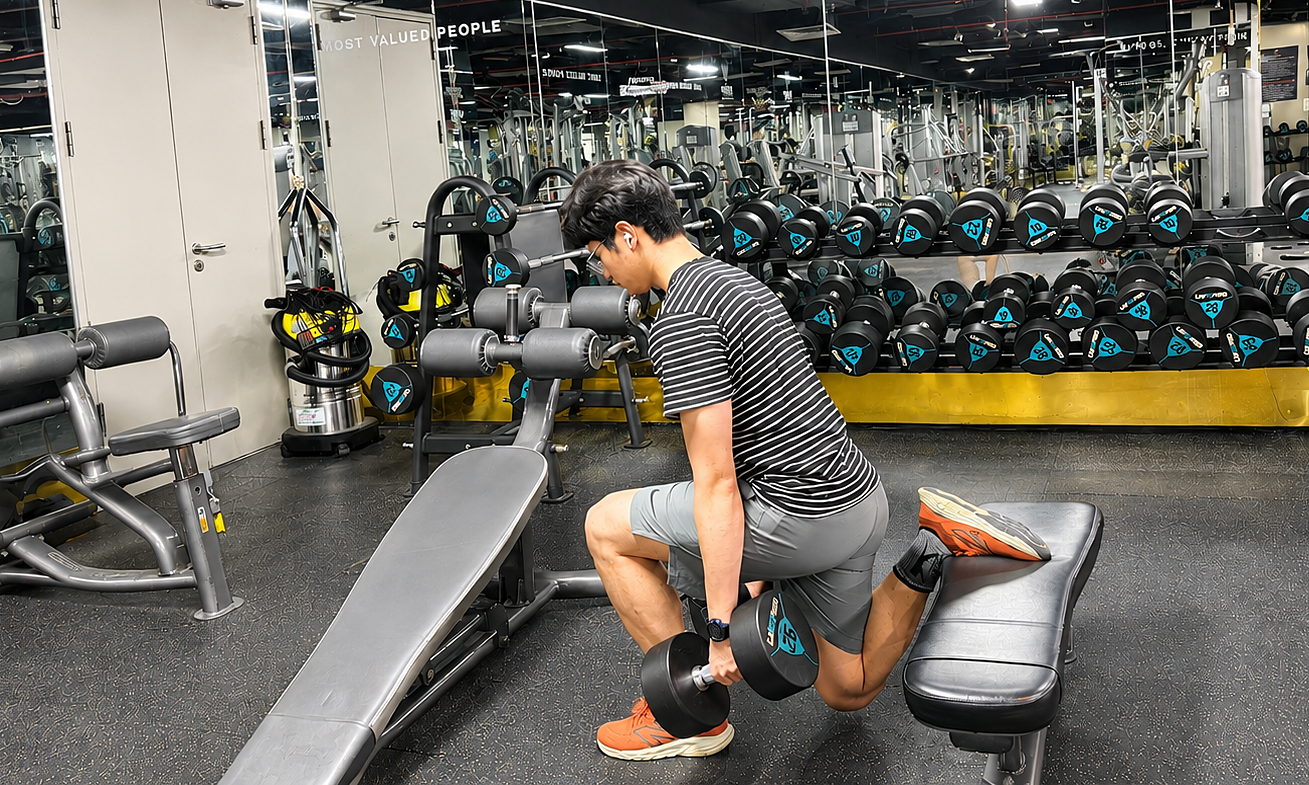
Thorough warm-ups and exercising in a clean environment help protect lung health. *Illustration: Dinh Tung*

Breathe through your nose. Nasal breathing filters out dust, bacteria, and irritants from the air before they reach your lungs. The nasal cavity also warms and humidifies the air, protecting the respiratory tract and reducing the risk of bronchial irritation. During exercise, nose breathing helps regulate breathing, minimizing breathlessness.

Stay hydrated. According to WebMD, drinking enough water before, during, and after exercise maintains the moisture of respiratory membranes, supporting efficient lung function. Drink approximately 300-500 ml of water 1-2 hours before your workout, then take small sips during exercise rather than consuming too much at once. After your workout, continue drinking water to replenish fluids lost through sweat.

Stop exercising if you experience shortness of breath. Unusual shortness of breath during exercise often signals that your body cannot meet oxygen demands or that your respiratory and cardiovascular systems are under excessive stress. Continuing to exercise could worsen oxygen deficiency, increasing the risk of dizziness or fainting. Furthermore, persistent shortness of breath may indicate underlying issues such as asthma, bronchial spasms, or cardiovascular disease. Therefore, stop immediately if you feel breathless, experience chest pain, or become dizzy.

Le Nguyen (Compiled)

Readers can submit questions about respiratory diseases here for doctors to answer.
By VnExpress: https://vnexpress.net/tap-the-duc-the-nao-tot-cho-phoi-5084553.html
Tags: lung health exercise

News in the same category

5 mistakes that accelerate muscle loss

5 mistakes that accelerate muscle loss

Undereating, excessive cardio, insufficient protein, or poor sleep can hasten muscle loss, leading to bodily weakness and reduced mobility.

7 common myths about kidney disease

7 common myths about kidney disease

The beliefs that kidney disease only affects the elderly, that patients always experience back pain and edema, or that drinking excessive water keeps kidneys healthy are inaccurate.

Does the pneumococcal vaccine help prevent lung cancer?

Does the pneumococcal vaccine help prevent lung cancer?

Does the pneumococcal vaccine help avoid lung cancer, beyond preventing pneumonia? My mother is 65 years old, which type should she get? (Tran Thi Na, TP HCM)

Why vitamin and mineral deficiencies cause bad breath

Why vitamin and mineral deficiencies cause bad breath

Deficiencies in protein, vitamin A, B vitamins, iron, and zinc can lead to dry mouth and impaired salivary gland function, increasing the risk of bad breath.

Which hormones affect a child's height?

Which hormones affect a child's height?

Growth, thyroid, and sex hormones directly impact bone development; deficiencies or imbalances can lead to stunted growth in children.

US doctor recommends 5 habits to avoid before 9 AM to protect your heart

US doctor recommends 5 habits to avoid before 9 AM to protect your heart

To protect cardiovascular health, a doctor advises against consuming sweets, processed meats, energy drinks, and allowing the body to be stressed on an empty stomach before 9 AM.

7 foods to regularly eat to help reduce cancer risk

7 foods to regularly eat to help reduce cancer risk

Regularly consuming broccoli, salmon, and walnuts can provide fiber for digestive support and omega-3 fatty acids, contributing to a reduced cancer risk.

10-year-old boy saved after over one hour of cardiac arrest

10-year-old boy saved after over one hour of cardiac arrest

A 10-year-old boy who experienced cardiac arrest for over one hour following multiple unexplained fainting episodes was saved through cardiopulmonary resuscitation combined with extracorporeal membrane oxygenation.

Three vitamin deficiencies that cause body fatigue

Three vitamin deficiencies that cause body fatigue

Deficiencies in vitamins B12, D, and B1 can hinder blood production, energy metabolism, and nerve function, leading to easy fatigue even with adequate sleep.

AI-assisted embryo cultivation leads to successful IVF pregnancy

AI-assisted embryo cultivation leads to successful IVF pregnancy

Ms. Kieu, 32, conceived through in vitro fertilization (IVF) with AI-assisted embryo cultivation after five years of infertility.

Eng English
China 中国人
  • News
  • World
  • Business
  • Entertainment
  • Sports
  • Law
  • Education
  • Health
  • Lifestyle
  • Travel
  • Science
  • Digital
  • Automobiles
FPT Tower, 10 Pham Van Bach Street, Dich Vong Ward,
Cau Giay District, Hanoi, Vietnam
Email: contacts@vnportal.net
Tel: 028 7300 9999 - Ext 8556
Advertise with us: 090 293 9644
Register
© Copyright 2026 vnnow.net. All rights reserved.
Terms of use Privacy policy Cookies