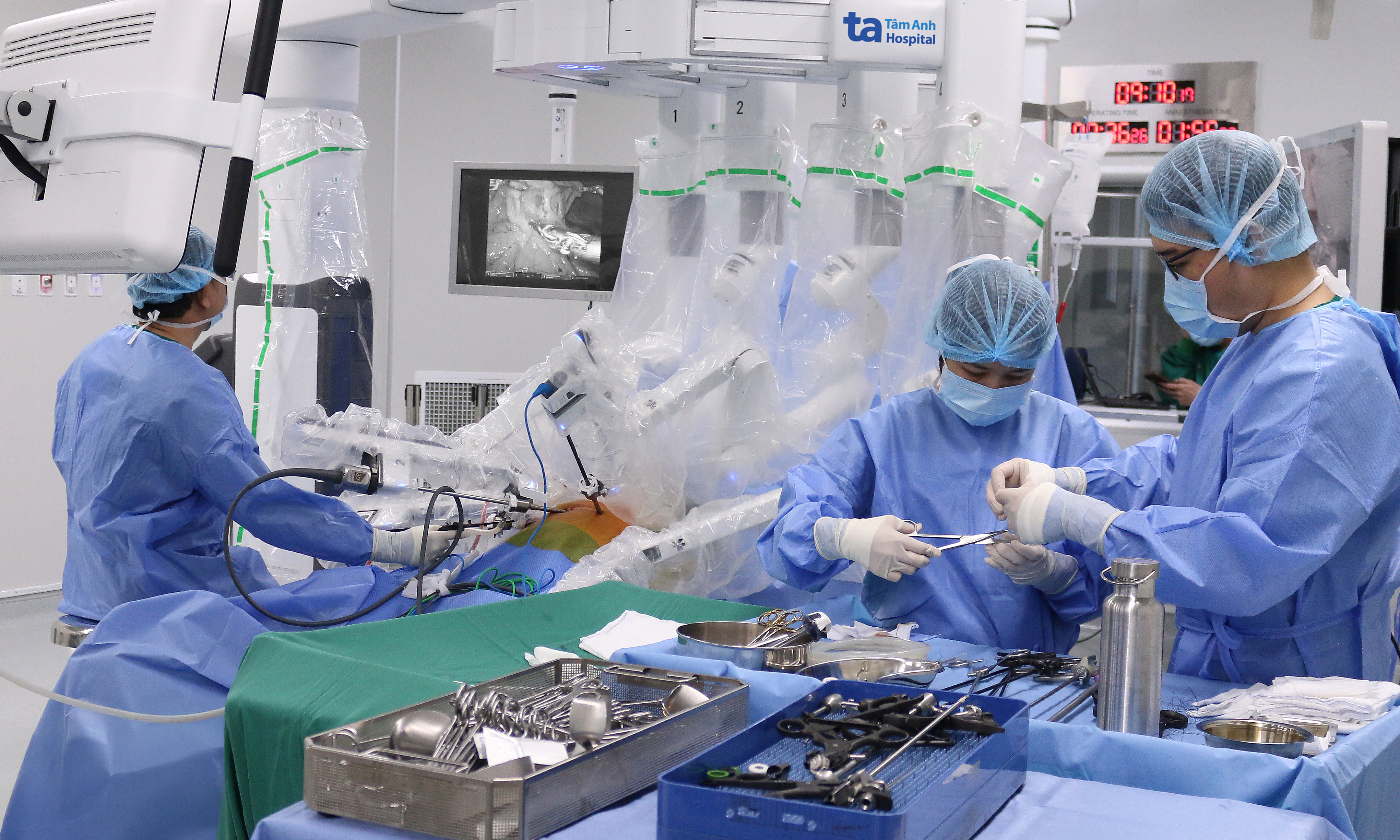
Total thyroidectomy does not reduce your life expectancy. Instead, this procedure is a crucial measure to thoroughly control cancer cells, enabling patients to live healthily and normally for many years afterward. Doctors typically recommend this radical treatment when the tumor is large, invades the thyroid capsule, metastasizes to cervical lymph nodes, or is a differentiated type with a high risk of recurrence. The primary goal of surgery is to completely remove cancer cells, facilitating subsequent adjuvant treatment with radioactive iodine (I131) if necessary.
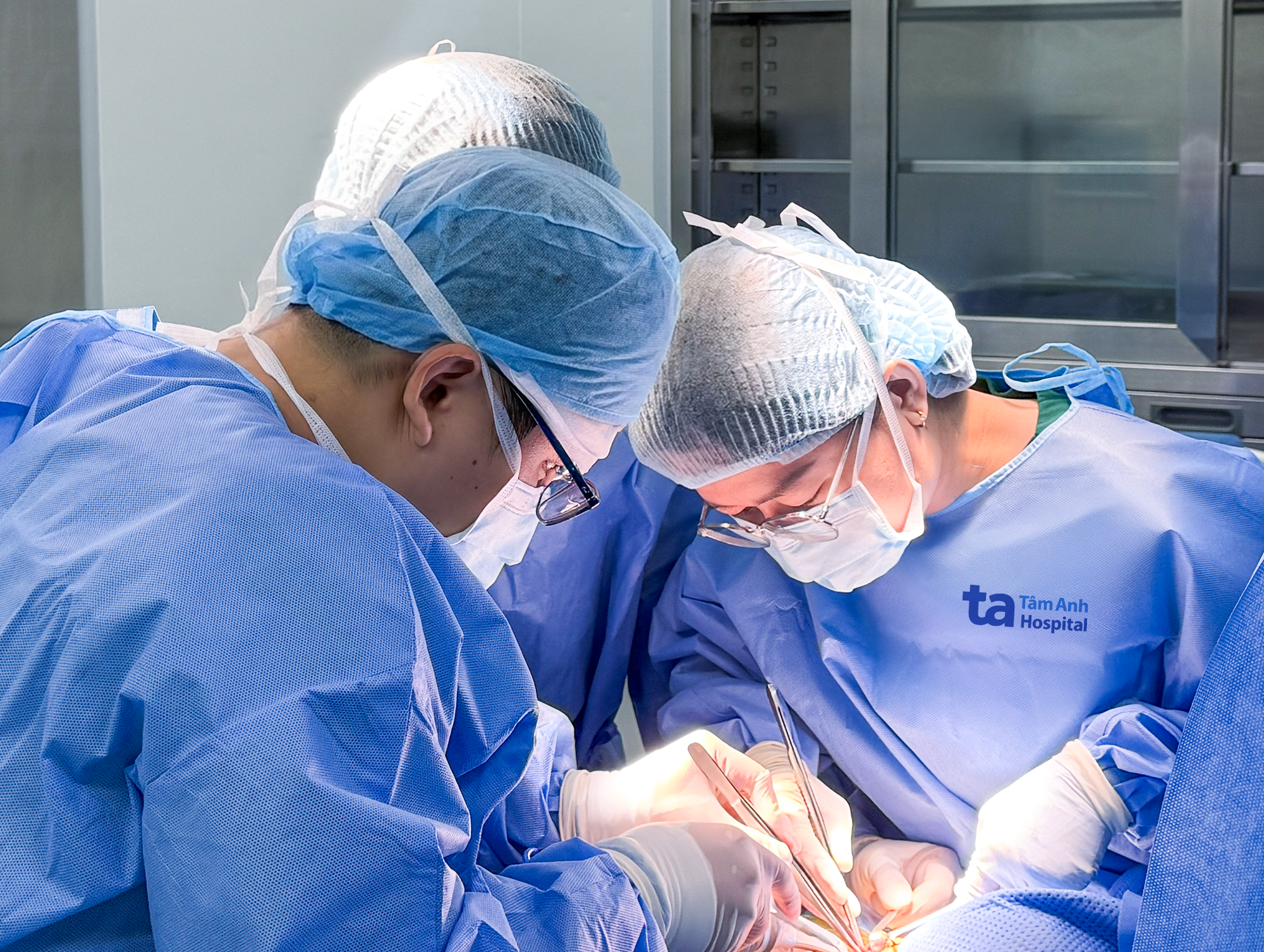 |
Doctor Hai (right) and the team perform radical thyroidectomy for a patient. Photo: Tam Anh General Hospital |
Physiologically, the thyroid gland produces crucial hormones, T3 and T4, which regulate metabolism, heart rate, and body temperature. Complete removal of this organ can lead to hypothyroidism. However, there is no need to worry excessively, as modern medicine offers effective replacement solutions. Doctors prescribe synthetic thyroid hormones in daily oral tablet form. This medication, similar in structure to natural hormones, helps maintain normal metabolic activities without causing severe side effects when taken at the correct dosage.
Patients should choose hospitals with comprehensive equipment. Modern tools, such as microsurgical microscopes and intraoperative nerve monitors, help minimize damage to the recurrent laryngeal nerve during surgery, preventing hoarseness and supporting rapid post-operative recovery.
Post-surgery, adhering to a schedule of regular follow-up appointments for blood tests to check Thyroglobulin (Tg) levels is essential, as Tg is a marker for monitoring cancer recurrence risk. It is also important to avoid taking thyroid medication simultaneously with foods that reduce absorption, such as milk, soy, or calcium; separate doses by at least 2-4 hours.
Master, Doctor, Level I Specialist Phan Vu Hong Hai
Center for Thoracic and Vascular Surgery
Tam Anh General Hospital, TP HCM
| Readers can submit questions about endocrine diseases here for doctors to answer. |