Response:
Alcohol breaks down microbial cell membranes and denatures proteins, killing bacteria and viruses. It is commonly used to sanitize hands, medical tools, and surfaces. However, applying alcohol to the genital area can cause lasting irritation and discomfort.
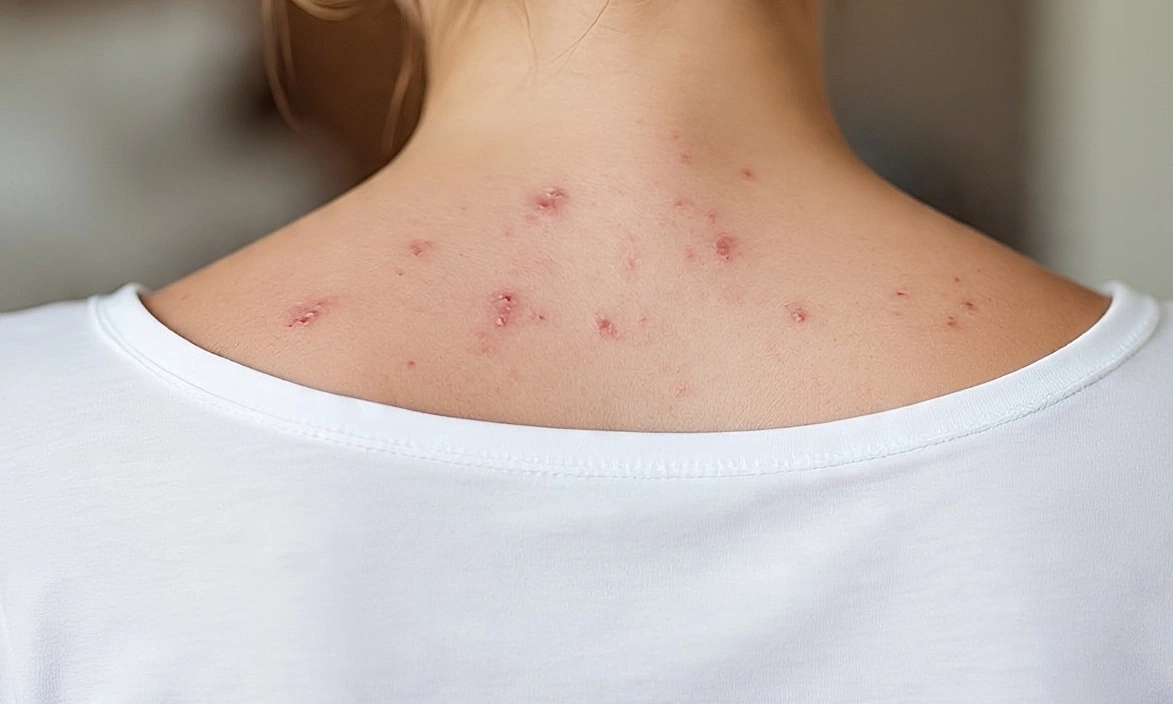
The mucous membranes of the genital area are delicate, containing many blood vessels and nerves. Alcohol is a strong irritant; contact with it removes the natural protective layer, leading to dry skin, abrasions, and lasting pain. Users may also experience redness, swelling, and edema upon alcohol exposure. When the mucous membrane is damaged, fungi, bacteria, and viruses can easily enter, causing gynecological andrological diseases.
Alcohol also does not prevent or eliminate the human papillomavirus (HPV), which causes genital warts. This virus lives and multiplies within skin and mucous membrane epithelial cells. Washing the genital area with alcohol after sex does not kill viruses that have already penetrated the mucosal tissue. Conversely, an inflamed or ulcerated genital area after alcohol use creates an environment where viruses can more easily enter.
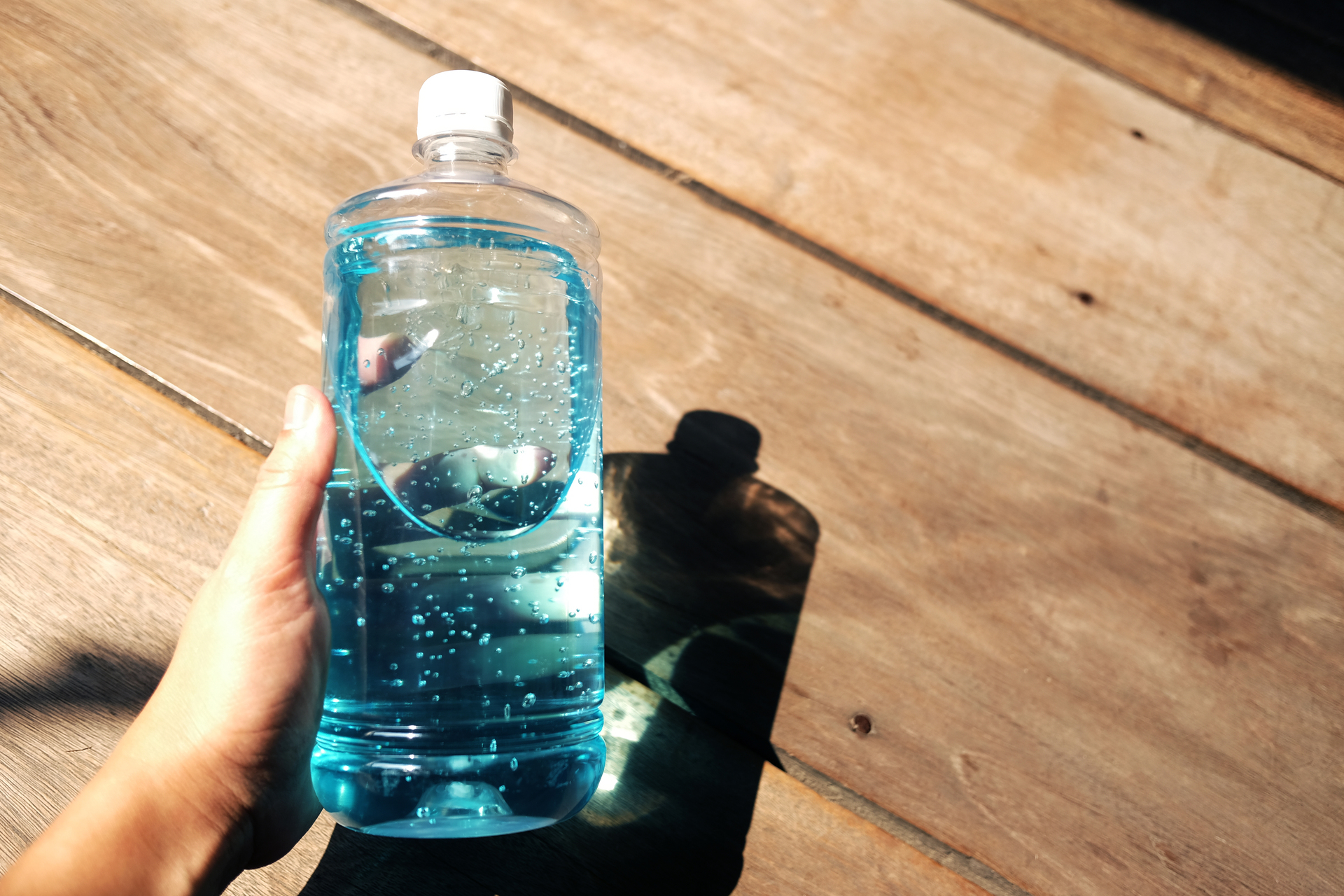 |
Illustration: Vecteezy.
Instead of using alcohol, individuals should clean the genital area with clean water and gently dry it after sex. Avoid deep douching or using harsh chemicals. When engaging in sexual activity, use condoms correctly, including during oral or anal sex, to reduce the risk of transmitting other sexually transmitted infections.
People can also prevent HPV infection and reinfection through vaccination. The vaccine's protective efficacy exceeds 90% if all doses are administered according to the schedule. In addition to preventing the HPV types that cause genital warts, the vaccine helps prevent cervical, vaginal, vulvar, oropharyngeal, and anal cancers in both sexes.
Currently, Vietnam offers two types of HPV vaccines. Gardasil protects against 4 HPV types (6, 11, 16, 18) and is indicated for girls and women aged 9-26. The Gardasil 9 vaccine protects against 9 HPV types (6, 11, 16, 18, 31, 33, 45, 52, and 58) and is indicated for both males and females aged 9-45. Children aged 9-14 only require two doses.
Doctor Tran Huynh Tan
Medical Manager, VNVC Vaccination System
Readers can submit vaccine consultation questions for the doctor to answer here.