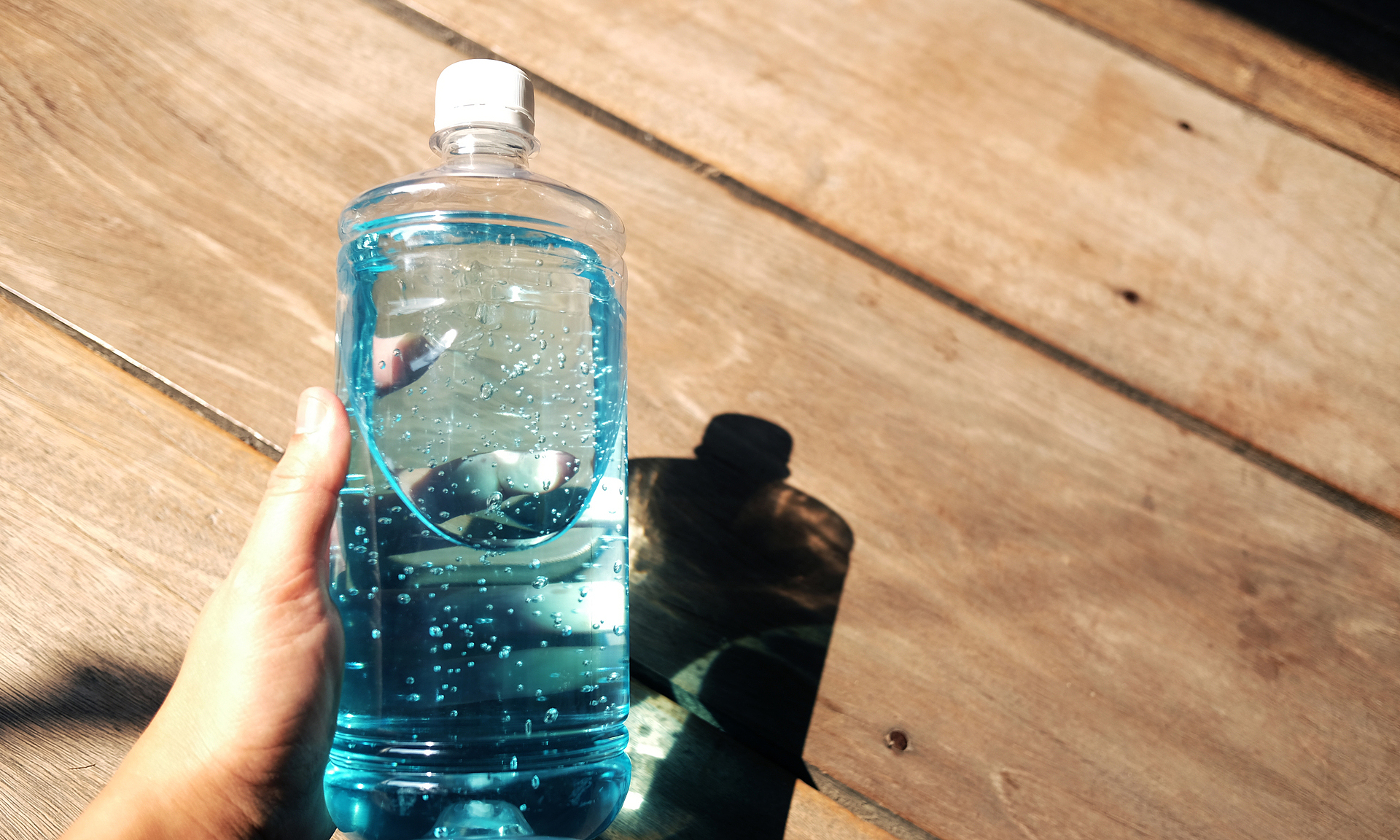
Drink enough water
According to Very Well Health, adequate hydration ensures efficient respiratory function, reduces throat dryness, and helps protect the lungs, especially in hot or polluted weather. Individuals should prioritize water-rich foods such as watermelon, mango, and cucumber. Additionally, getting vaccinated against influenza and pneumonia can lower the risk of respiratory infections.
Keep living spaces cool
To maintain a cool living environment, keep doors closed and use heat-blocking, sun-protective curtains to prevent external heat from entering. This practice helps keep living and working spaces cool, alleviating discomfort during hot days. If using air conditioning, consider alternating its use with electric fans to improve air circulation, maintain a comfortable temperature, and conserve energy.
Avoid respiratory irritants
Beyond temperature fluctuations, various environmental factors can irritate the respiratory tract and worsen breathing difficulties. These include tobacco smoke, fine dust, exhaust fumes, pollen, mold, and airborne allergens. Limiting exposure to these irritants protects the lungs, reduces the risk of respiratory disease flare-ups, and helps maintain healthy lung function.
Do not exercise in intense sun
During hot weather, individuals should limit strenuous outdoor work or high-intensity exercise, particularly when temperatures are at their highest. If maintaining an exercise routine, it is advisable to work out in the early morning or evening. Choose cool, well-ventilated spaces with fans or air conditioning to minimize the risk of dehydration, as recommended by Cleveland Clinic.
Take medication as prescribed
Individuals with chronic respiratory conditions, such as bronchial asthma or chronic obstructive pulmonary disease, must adhere to their doctor-prescribed treatment regimens. Discontinuing medication or altering dosages without professional medical guidance can result in uncontrolled disease, an increased risk of acute exacerbations, and adverse long-term health consequences.
Practice breathing exercises
Practicing breathing exercises for 5-10 minutes daily can improve respiratory capacity, increase lung volume, and promote mental relaxation. Correct breathing techniques also enhance the body's oxygen intake, offering particular benefits for individuals with asthma, chronic obstructive pulmonary disease, or other respiratory ailments.
By Le Nguyen (Compiled)
| Readers can submit respiratory health questions here for doctors to answer |