Visceral fat accumulates deep within the abdominal cavity, surrounding organs like the liver, pancreas, and intestines. This type of fat can promote inflammatory responses in the body, increasing the risk of cardiovascular disease, type 2 diabetes, and certain cancers.
Sleep, stress, physical activity, and especially diet all influence visceral fat levels. Certain foods can promote inflammation and increase fat accumulation, and should be limited. These include:
Sugary drinks
According to Eating Well, sugary beverages like soft drinks, milk coffee, and sweet tea can increase added sugar intake without providing beneficial nutrients. The National Institutes of Health in the US recommends that adults limit added sugar intake to under 10% of total daily calories to prevent visceral fat accumulation. Sugary drinks also cause sudden blood sugar spikes, and consistently consuming too many calories and sugar makes weight loss, especially abdominal fat reduction, difficult.
 |
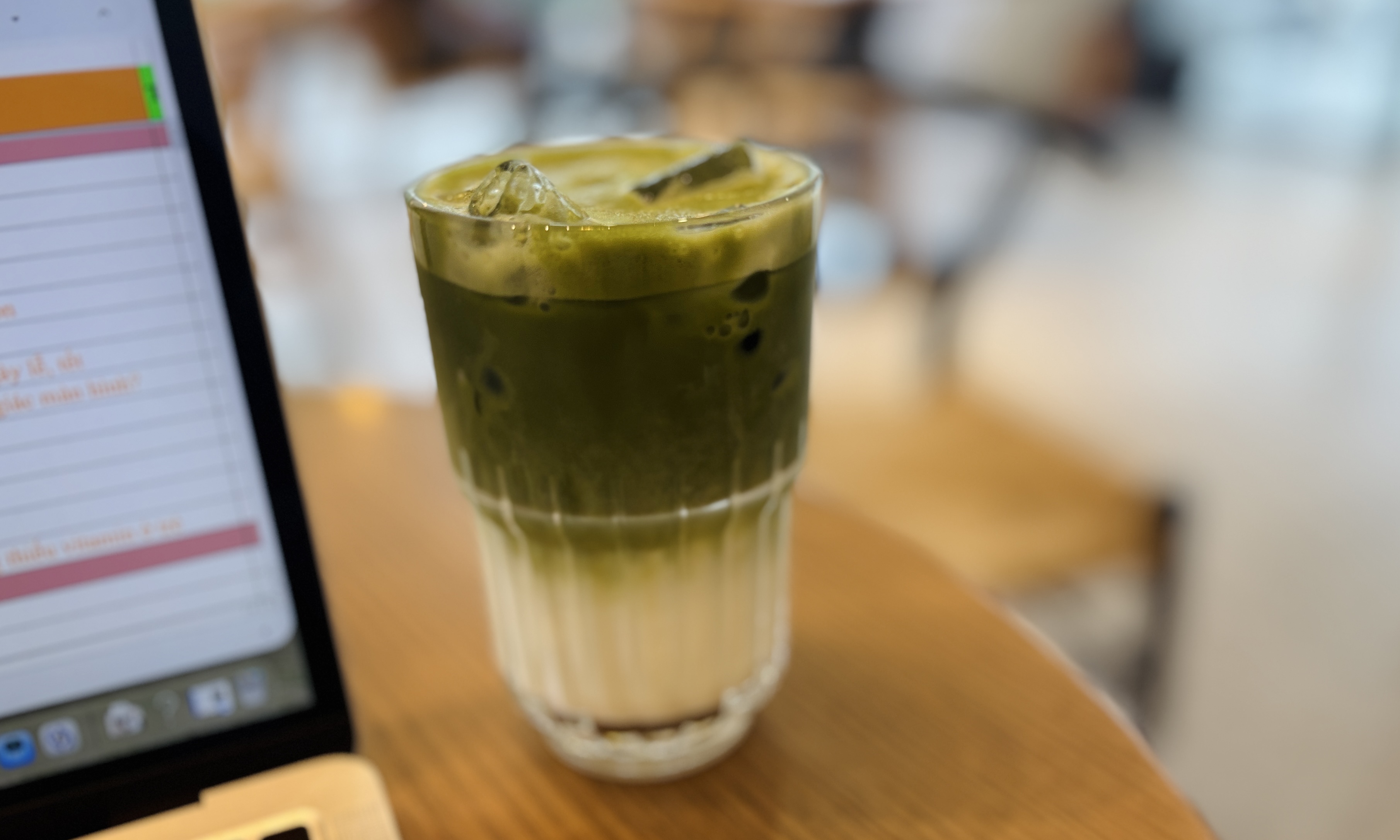
Matcha with added milk and sugar can contain high calories, easily increasing the body's energy intake. Photo: Anh Chi |
Refined carbohydrates
Refined carbohydrates, such as white bread, hamburgers, pastries, and packaged snacks, can increase inflammation and reduce insulin sensitivity, thereby promoting visceral fat accumulation. These foods are often low in fiber, quickly digested, and can cause rapid blood sugar fluctuations and hunger.
Processed meats
Sausages, cold cuts, and Chinese sausages are processed foods that undergo many stages and often contain preservatives to extend shelf life. Processed foods also have high levels of added sugar, salt, and fat, which can easily increase inflammatory responses in the body. The high calorie content in processed meats contributes to rapid weight gain, not to mention saturated fats indirectly causing visceral fat storage. Instead of red meat and processed meats, individuals aiming for weight loss should prioritize plant-based foods to increase fiber, antioxidants, and micronutrients, according to Healthline.
Foods high in saturated fat
A diet high in saturated fat leads to faster visceral fat accumulation. Additionally, fried foods, red meat, and many packaged snacks contain empty calories and few nutrients, causing quick hunger and leading to overeating and snack cravings.
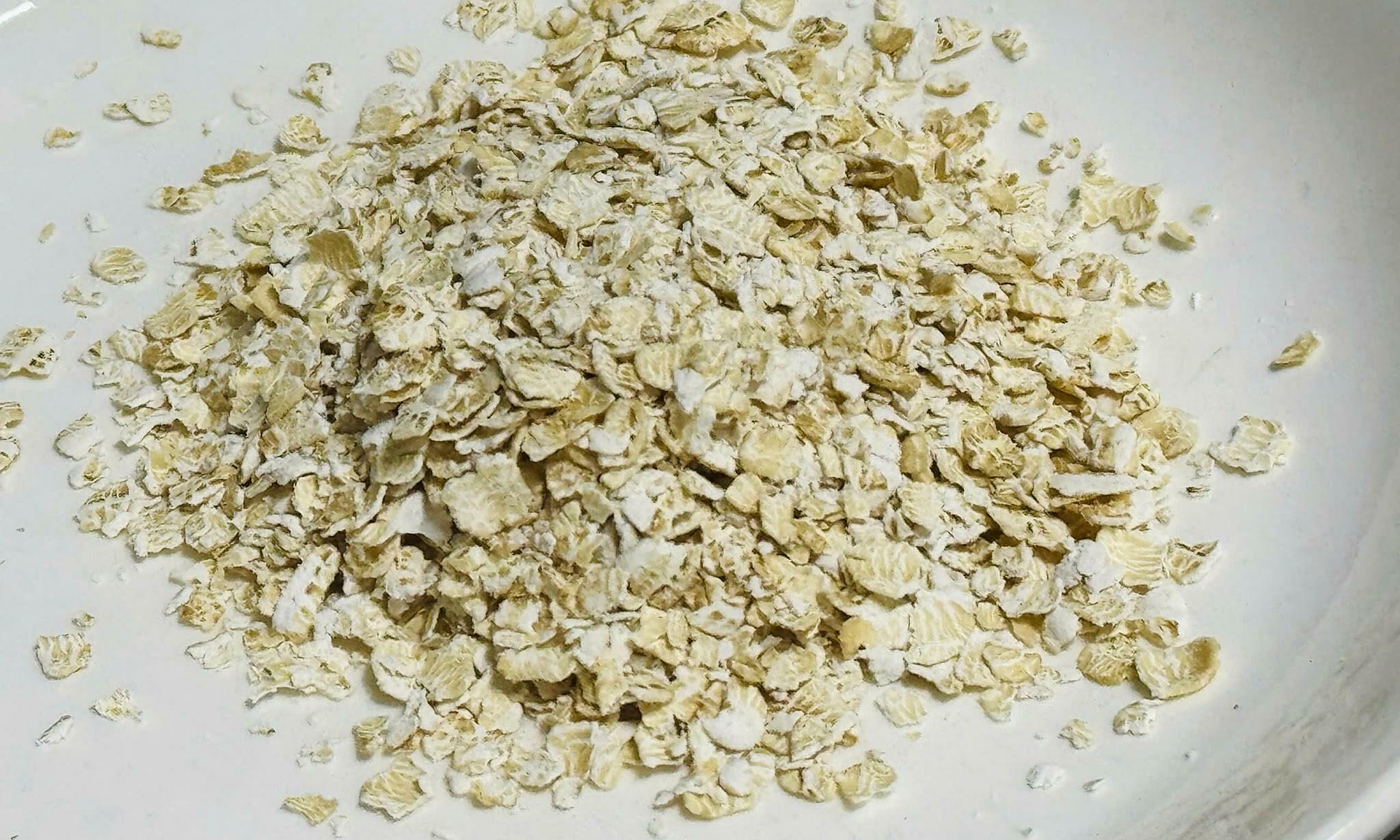
To effectively support visceral fat burning, individuals should increase fiber intake from whole grains such as oats, quinoa, brown rice, and whole wheat bread. Prioritize lean protein sources like fish, poultry, yogurt, and tofu to promote satiety. Plant-based proteins such as beans, lentils, chickpeas, and soybeans are rich in protein and fiber, supporting muscle gain and fat burning. Everyone should consume a variety of fiber-rich fruits and vegetables like berries, apples, and leafy greens. Increasing unsaturated fats from nuts, avocados, olive oil, and fatty fish also contributes to fat reduction.
*Anh Chi (Compiled)*