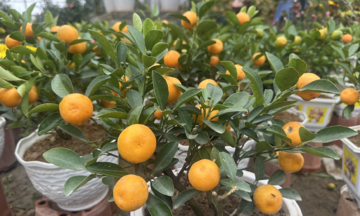
During the Tet holiday, families often buy ornamental kumquat trees for indoor decoration. These trees, laden with fruit, symbolize health, peace, longevity, good fortune, and family reunion in the new year.
However, consuming ornamental kumquats carries a risk of chemical accumulation. Pesticide residues may have permeated the thin skin into the fruit's pulp. While immediate poisoning may not occur, these residues will accumulate in the liver and kidneys over the long term, posing potential health risks.
This risk stems from the specialized cultivation process for ornamental kumquat trees, which are grown for display purposes, not for consumption. These trees are typically beautiful, bearing many large, plump fruits that retain their color for a long time. To achieve this, most ornamental kumquat trees receive various growth stimulants and preservatives to ensure they simultaneously bear green fruit, ripe fruit, and flowers – a state known as "tu quy" (four seasons of abundance). Many gardeners frequently apply high doses of growth regulators or pesticides to achieve attractive, pest-free leaves and fruits. Furthermore, these kumquats are often sprayed until they are loaded onto trucks for sale, without the typical waiting period observed for other edible fruits.
If you wish to consume kumquats after Tet, consider growing your own tree at home starting from the previous year. By controlling the soil and fertilizer sources, you can ensure safe consumption.
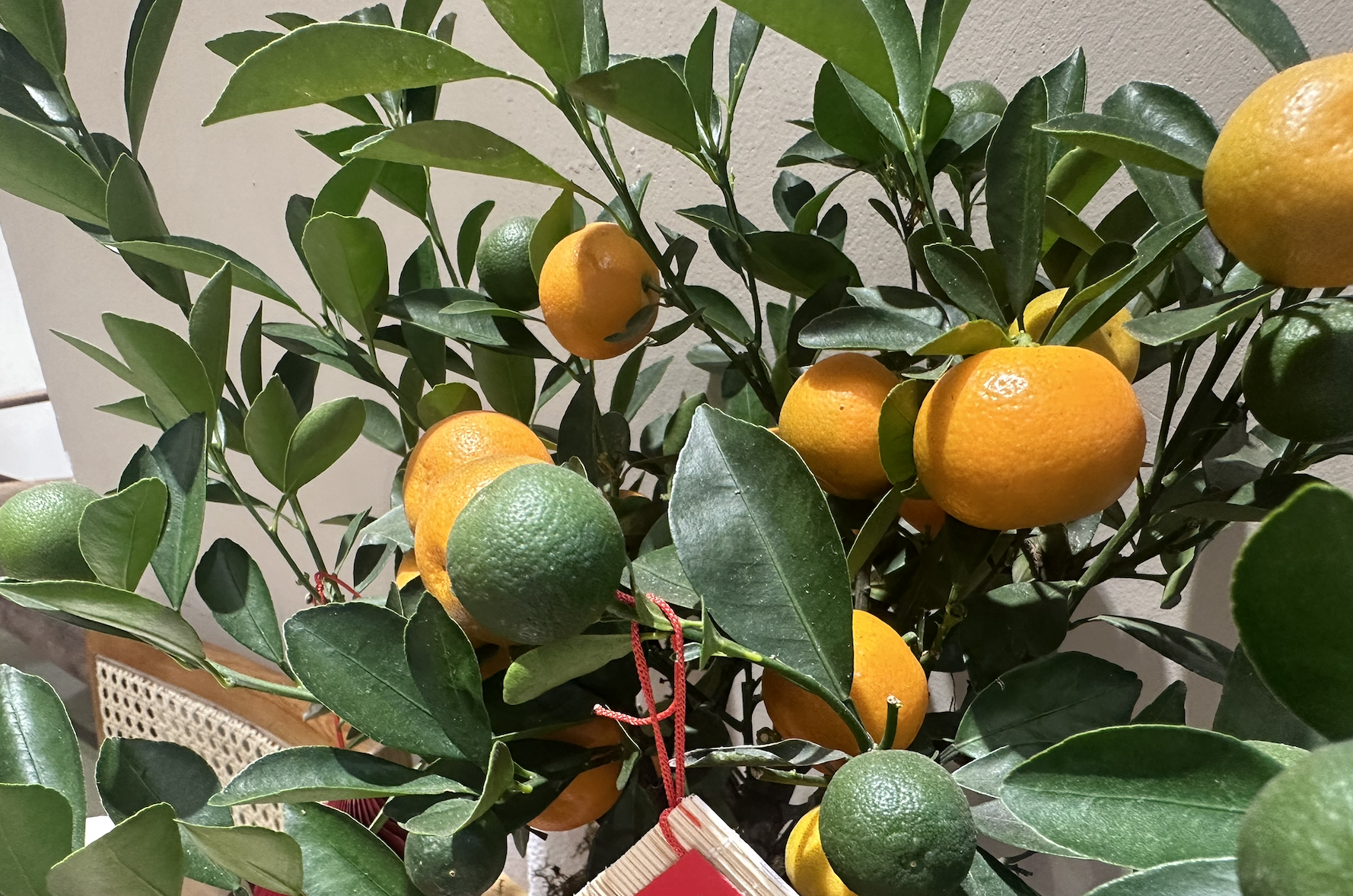 |
Home-grown kumquats cultivated for Tet display, with a clear origin and no chemical fertilizers or pesticides, can be safely consumed. Photo: Ngoc Minh |
Home-grown kumquats cultivated for Tet display, with a clear origin and no chemical fertilizers or pesticides, can be safely consumed. Photo: Ngoc Minh
Associate Professor Doctor Nguyen Duy Thinh
Institute of Biotechnology and Food, Hanoi University of Science and Technology