Individuals experiencing frequent stress or fatigue often crave sweets. This is because consuming carbohydrates stimulates the release of the neurotransmitter serotonin, which creates a feeling of well-being. Sugar and sweets are major contributors to overweight and obesity. The following strategies can help reduce sugar cravings during weight loss.
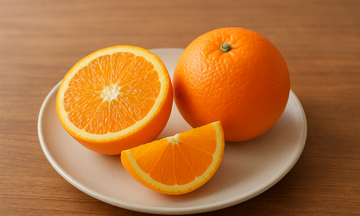
Snack on fruit when craving sugar: Fruits offer natural sweetness and beneficial plant compounds like fiber, promoting lasting fullness. Examples of lower-sugar fruits include: apples, plums, green mangoes, pears, and guavas. Adding fruit to plain yogurt creates a delicious, nutritious snack. Watery fruits such as: strawberries, grapes, and blueberries have lower sugar content. They not only reduce sweet cravings but also possess strong antioxidant and anti-inflammatory properties, beneficial for individuals with obesity.
 |
Fiber-rich, high-water-content fruits help satisfy sweet cravings. *Anh Chi* |
Drink chia seed water: Chia seeds are rich in omega-3 fatty acids, soluble fiber, and plant compounds. Soluble fiber readily absorbs water and expands in the intestines, forming a gel-like substance. This increases satiety, limits calorie intake, and prevents sugar cravings. Chia seeds can be used in baked goods, drinks, puddings, or added to coffee.
Consume sweets in very small amounts: When a sugar craving strikes, instead of complete abstinence, you can indulge in a small cookie or a tiny piece of candy. However, the portion should not exceed 100 calories, and this should not be done multiple times a day.
Incorporate diverse foods: Individuals who are overweight or obese can reduce sugar cravings by snacking on less sweet options like dark chocolate. Dark chocolate contains healthy plant compounds called polyphenols, which have antioxidant and anti-inflammatory effects, contributing to improved cognitive and cardiovascular health. Nuts such as: almonds, walnuts, and macadamia, along with protein-rich yogurt, provide healthy fats and fiber. These contribute to lasting fullness and a reduction in overall calorie intake.
Chew gum: Those on a weight loss journey should keep plenty of sugar-free gum on hand for whenever sugar cravings arise. Chewing gum can stimulate saliva production, which helps reduce appetite.
Eat regularly: Adults should consume three main meals each day. Eating every 3-5 hours helps stabilize blood sugar levels and prevents uncontrolled overeating. Prioritize foods rich in protein and fiber to maintain fullness and limit high-sugar fats.
Avoid artificial sweeteners: Another strategy to reduce sugar cravings is to limit artificial sweeteners. While these substances may provide a quick mental boost, they can easily lead to dependence, resulting in prolonged cravings and a cycle of sugar addiction.
Many individuals turn to sweets when feeling stressed, bored, or angry. However, food does not resolve emotional issues; instead, it can lead to weight gain, obesity, and inflammation in the body. To mitigate stress-induced sugar cravings, individuals should reduce work pressure, dedicate time to exercise, and socialize with friends. Relaxing in the evening by reading, listening to music, or watching a movie also helps alleviate stress. When a craving hits, get up and walk a few laps, whether indoors, around the office, or outside in your neighborhood or a park. Distracting your thoughts is an effective way to overcome food cravings.
*Anh Chi (According to Healthline, WebMD)*
| Readers can submit questions about endocrine diseases here for a doctor's response. |