Eng English
China 中国人

Eng English
China 中国人
  • News
  • World
  • Business
  • Entertainment
  • Sports
  • Law
  • Education
  • Health
  • Lifestyle
  • Travel
  • Science
  • Digital
  • Automobiles
  • Trở lại Thể thao
  • Health
Monday, 5/10/2026 | 10:08 GMT+7

Elderly woman diagnosed with cerebral salt wasting syndrome

Ms. Thoa, 94, was diagnosed with cerebral salt wasting syndrome, a condition where the kidneys excrete too much sodium, after experiencing a sudden drop in blood sodium levels.

Ms. Thoa was admitted to the hospital with reduced consciousness and rapid breathing. Dr. Ha Viet Ngoc, from the Intensive Care and Anti-poisoning Department at Tam Anh Hanoi General Hospital, diagnosed her with respiratory failure, hypoxemia, and a lower respiratory tract infection.

An MRI scan of her brain revealed an acute infarction in the left cerebellar hemisphere, along with old hemorrhages in both cerebral and cerebellar hemispheres. She also presented with moderate hyponatremia. Doctors determined this electrolyte imbalance could worsen her existing brain damage. Severely low sodium levels can lead to confusion, reduced consciousness, seizures, or coma.

The medical team consulted and considered two potential diagnoses: cerebral salt wasting syndrome (CSW) or syndrome of inappropriate antidiuretic hormone secretion (SIADH). Both syndromes share similar manifestations and can occur in patients with neurological conditions.

According to Dr. Ngoc, there is currently no unified diagnostic standard for cerebral salt wasting syndrome. Instead of relying on a single test, the team had to monitor the patient's progress, including urine output, sodium loss through urine, body fluid status, and changes in sodium levels after each treatment step.

Ms. Thoa receiving special care in the Intensive Care Department. *Photo: Tam Anh General Hospital*

Initially, Ms. Thoa received fluid replacement and an intravenous infusion of 3% sodium chloride solution, which increased her blood sodium concentration to 134 mmol/L. However, hyponatremia recurred once the infusion was stopped.

The patient's urine output exceeded 1.8 liters daily, accompanied by significant sodium loss through urine, despite low blood sodium. This led doctors to suspect the body was losing salt and water via the kidneys, rather than just experiencing hyponatremia due to fluid retention. After comparing with medical literature criteria and ruling out other causes, the team concluded she had cerebral salt wasting syndrome. Consequently, treatment was adjusted to replace the lost salt and fluids, while also administering medication to help the kidneys retain sodium. Her sodium levels subsequently became more stable. Concurrently, Ms. Thoa received treatment for acute respiratory issues, infection, and brain damage.

After one week of treatment, Ms. Thoa's blood sodium levels were controlled, her health stabilized, and she was discharged. Dr. Ngoc emphasized that hyponatremia in patients can cause brain damage, highlighting the importance of evaluating the underlying cause rather than simply focusing on increasing sodium levels.

Cerebral salt wasting syndrome leads to the body losing both sodium and water, necessitating replacement of lost salt and fluids. In contrast, syndrome of inappropriate antidiuretic hormone secretion causes the body to retain water, diluting blood sodium; treatment for SIADH typically prioritizes restricting fluid intake. According to Dr. Ngoc, accurate differential diagnosis is crucial because misidentifying the cause can lead to ineffective treatment and an increased risk of neurological complications.

By Hieu Nguyen

By VnExpress: https://vnexpress.net/cu-ba-mac-hoi-chung-mat-muoi-nao-5128324.html
Tags: hyponatremia brain damage cerebral salt wasting

News in the same category

Three drinking habits that may signal urinary tract diseases

Three drinking habits that may signal urinary tract diseases

Drinking too little water, only drinking when thirsty, or consistently drinking excessive amounts are habits that affect urine volume and may indicate urinary tract issues.

Chinese doctor points to three "hidden killers" that spike blood sugar

Chinese doctor points to three "hidden killers" that spike blood sugar

Nephrologist Lin Xuanren (Taiwan) warns that refined starches, salty processed foods, and alcoholic beverages increase blood sugar despite not tasting sweet.

Thymoma compresses heart

Thymoma compresses heart

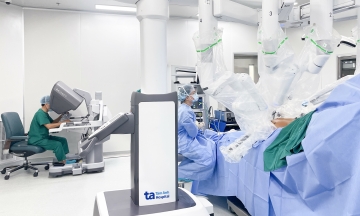
Mr. Hung's mediastinal tumor, unresponsive to chemotherapy, was compressing his heart and lungs, prompting robotic surgery for removal.

Scrub typhus causes elevated liver enzymes in man

Scrub typhus causes elevated liver enzymes in man

After a beach trip, Tuan, 41, experienced high fever, headache, decreased platelet count, and elevated liver enzymes; tests confirmed a chigger bite was the cause.

Nobel Prize in Physiology or Medicine 2026 announced today

Nobel Prize in Physiology or Medicine 2026 announced today

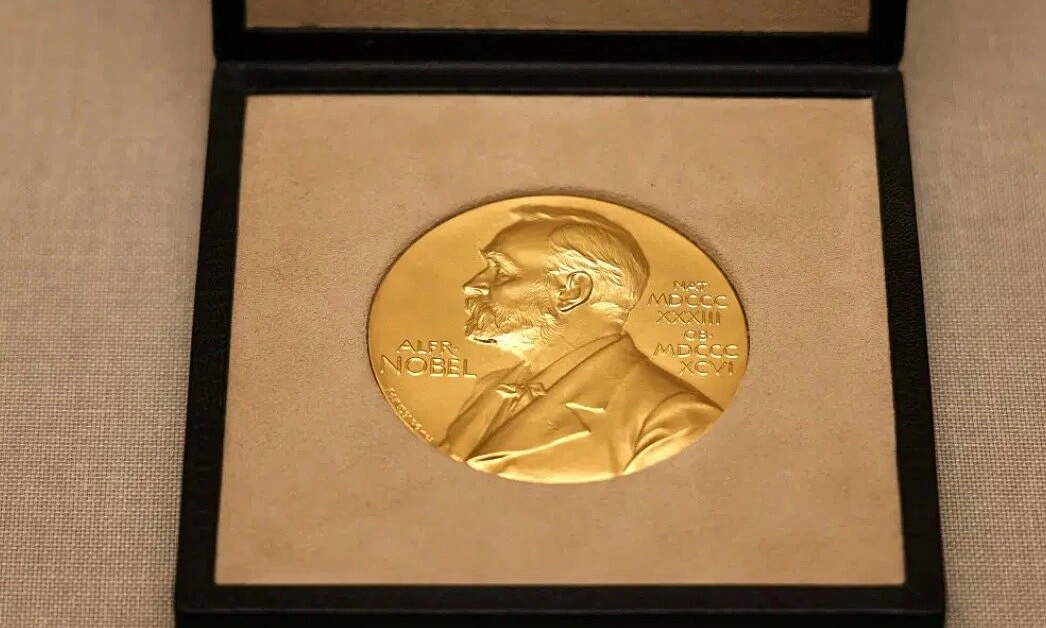
The Nobel Prize announcement ceremony begins at 11:30 local time (16:30 Hanoi time) in Stockholm, Sweden's capital, starting with the Physiology or Medicine award.

4th sinus surgery for a woman

4th sinus surgery for a woman

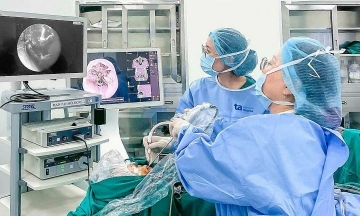
After three surgeries for polysinusitis, the disease recurred, causing bone fibrosis five times thicker and blocked scar tissue, forcing Ms. Dung, 64, to undergo a 4th operation.

Hundred-billion-dong medical equipment at Can Tho oncology hospital 'shelved'

Hundred-billion-dong medical equipment at Can Tho oncology hospital 'shelved'

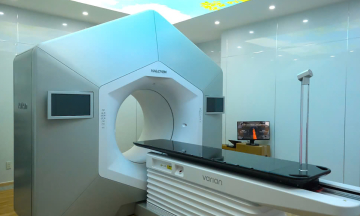
A radiotherapy machine and a CT scanner installed at Can Tho oncology hospital remain non-operational after the supplying contractor faced prosecution. This prolonged situation has hindered the hospital's ability to maintain work progress and provide medical examinations and treatment to patients.

Man almost suffers penile necrosis from 'pleasure-enhancing' rubber ring

Man almost suffers penile necrosis from 'pleasure-enhancing' rubber ring

A 28-year-old man wore a rubber ring on his penis to enhance sexual pleasure, leading to swelling and pain in his genitals.

Five things to do after waking up for a healthy life

Five things to do after waking up for a healthy life

Exposure to natural light, light exercise, drinking water, and a balanced breakfast are habits that help the body start the new day, benefiting health.

Why older adults should drink a glass of milk in the evening

Why older adults should drink a glass of milk in the evening

Drinking a glass of milk in the evening can supplement protein, calcium, and some essential nutrients for muscles, bones, and support sleep in older adults.

Eng English
China 中国人
  • News
  • World
  • Business
  • Entertainment
  • Sports
  • Law
  • Education
  • Health
  • Lifestyle
  • Travel
  • Science
  • Digital
  • Automobiles
FPT Tower, 10 Pham Van Bach Street, Dich Vong Ward,
Cau Giay District, Hanoi, Vietnam
Email: contacts@vnportal.net
Tel: 028 7300 9999 - Ext 8556
Advertise with us: 090 293 9644
Register
© Copyright 2026 vnnow.net. All rights reserved.
Terms of use Privacy policy Cookies