Longevity depends on many factors, but starting the day with a few healthy habits can support overall health and healthy aging.
Exposure to natural light
After waking up, people can open curtains, go out onto a balcony, or take a walk outdoors to get natural light. Light is an important signal that helps the body regulate its circadian rhythm, thereby supporting the sleep-wake cycle.
According to the National Heart, Lung, and Blood Institute (NHLBI) in the US, light is a strong environmental signal that helps regulate the sleep-wake cycle. Morning light exposure can shift sleep and wake times earlier for some individuals with circadian rhythm disorders.
However, people do not need to dedicate a lot of time to this. They can combine light exposure with walking, watering plants, or performing some outdoor tasks early in the day.
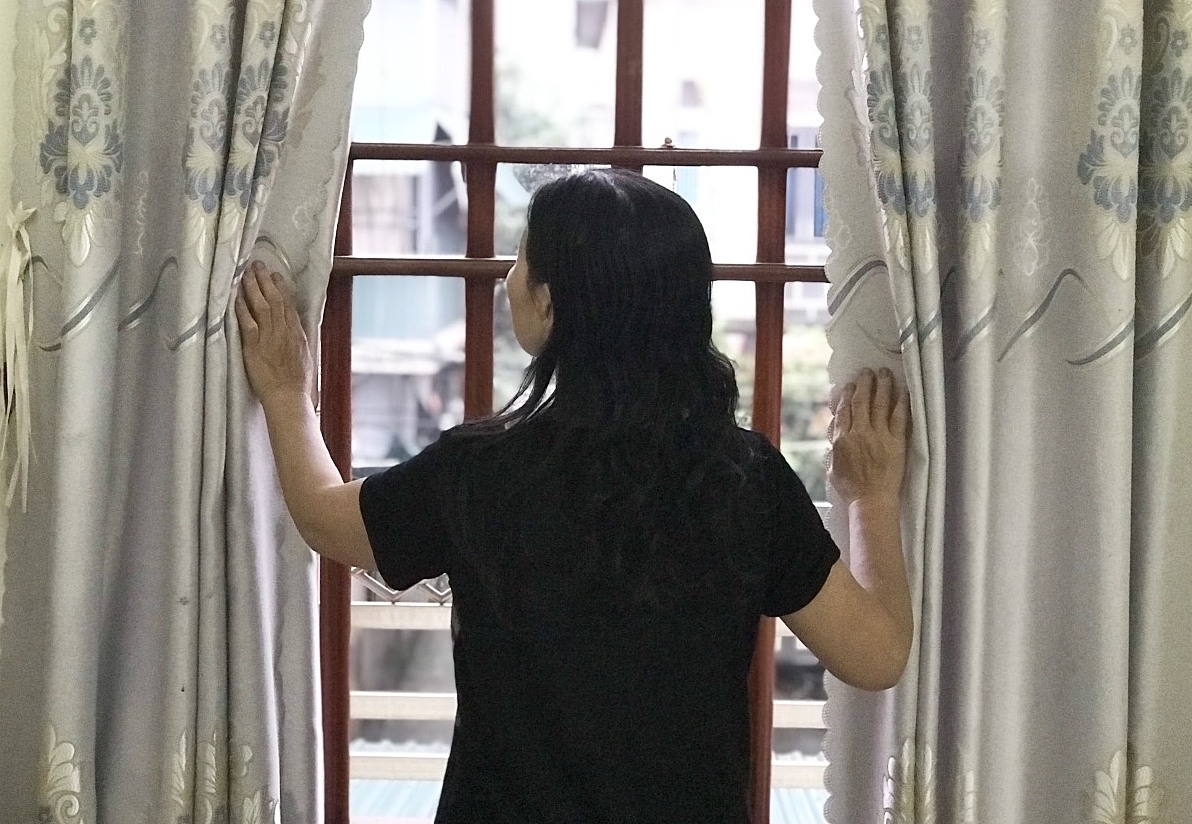 |
Exposure to natural light in the morning helps the body regulate its circadian rhythm. Photo: Bao Bao
Eat a balanced breakfast
The meal should include sufficient protein, fiber, unsaturated fats, and quality carbohydrates. Eggs, unsweetened yogurt, oats, nuts, vegetables, and fruits are suitable choices that can be flexibly combined depending on individual needs.
A balanced breakfast provides energy and essential nutrients for daily activities. Instead of focusing on just one item, the overall diet plays an important role in long-term health.
Drink water
After a night's sleep, the body goes for many hours without water replenishment. Drinking a glass of water after waking up can help replenish lost fluids and establish a habit of drinking enough water throughout the day.
Water needs vary depending on the body, weather, activity level, and water intake from food. Instead of trying to drink a lot at once, it is better to maintain regular water intake throughout the day and pay attention to thirst, urine color, and fluid loss through sweat.
Light exercise
Spending a few minutes walking, stretching, performing joint-mobilizing exercises, or other suitable workouts after waking up helps the body transition from rest to activity. Morning activity does not have to be a high-intensity session. More importantly, it is about maintaining regular movement throughout the week.
According to the World Health Organization (WHO), adults should engage in 150-300 minutes of moderate-intensity physical activity or 75-150 minutes of vigorous-intensity activity each week, along with muscle-strengthening exercises at least two days per week.
WHO also notes that regular physical activity is associated with a reduced risk of cardiovascular disease, high blood pressure, stroke, type 2 diabetes, and some cancers, while also benefiting mental and brain health.
Dedicate a few minutes to relax before starting the day
Many people check emails, messages, or social media immediately after waking up. Instead, take a few minutes for deep breathing, planning the day, reading a book, or simply sitting still. The goal is not to create a complex morning ritual but to reduce feelings of rush and stress from the start of the day. This benefits long-term health.
Bao Bao (Compiled)