Master, Doctor, Level II Specialist Pham Thanh Truc, from the Center for Urology - Nephrology - Andrology at Tam Anh General Hospital, Ho Chi Minh City, states that significant changes in thirst sensation, urination frequency, urine volume, or urine color can signal urinary tract disease.
Doctor Truc advises individuals with the following habits and unusual urination symptoms to seek medical consultation for diagnosis and appropriate treatment.
Drinking too little water
When the body is dehydrated, kidneys increase water reabsorption to maintain fluid volume, resulting in less concentrated, dark yellow urine. Individuals may experience thirst, dry mouth, and fatigue, especially after exercise, heavy sweating, or in hot weather.
If this condition is temporary and improves with adequate hydration, it is generally not concerning. However, consistently drinking too little water, leading to concentrated urine, can increase the risk of stone formation.
Distribute water intake throughout the day, increasing fluid intake as needed during exercise or heavy sweating. Do not wait until you are very thirsty to drink. If you drink enough water but still pass very little urine, notice an unusual color, or experience flank pain, painful urination, swelling, or fatigue, seek medical attention to determine the cause.
 |
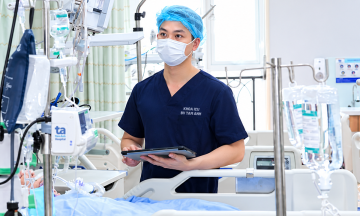
Doctor Truc examines and consults a patient. *Illustration: Tam Anh General Hospital.*
Drinking too much water
Increased water intake due to hot weather, exercise, or habit is normal. However, persistent excessive thirst and high water consumption warrant attention.
One cause to rule out is diabetes. Elevated blood sugar levels lead to the presence of glucose, causing increased thirst and water intake. Some cases also relate to the body's water regulation disorders.
Conversely, if you do not drink excessively but constantly feel the urge to urinate, passing only small amounts each time, the cause may lie in the bladder or urinary tract, such as a urinary tract infection or overactive bladder. Symptoms may include painful urination, urgent urination, and lower abdominal pain.
Doctor Truc advises everyone to monitor their daily water intake, urination frequency, and urine volume. If these conditions persist, especially with excessive thirst, weight loss, painful urination, pain, or blood in the urine, a medical examination is necessary to identify the cause.
Adequate water intake with abnormal urine
Even with adequate and evenly distributed daily water intake, if urine is consistently red, pink, or brown, it may indicate hematuria (blood in urine). This is common in conditions such as urinary tract infections, stones, prostate disease, injury, or other urinary tract pathologies. Hematuria is sometimes painless, so do not wait for pain to appear before seeking medical attention.
Persistent foamy urine, even with adequate water intake, also requires attention. This condition may relate to protein in the urine, necessitating tests to assess kidney function and damage.
If urine is red, pink, brown, persistently foamy, or accompanied by painful urination, flank pain, swelling, or significant changes in urine volume, individuals should seek medical consultation and undergo urine tests as needed. Do not self-medicate by excessively increasing or restricting water intake to try and change urine color.
Doctor Truc notes that protecting the urinary system requires maintaining water intake according to the formula: body weight (kg) x 30 to 35 ml = recommended daily water intake (ml). For example, a person weighing 50 kg needs 50 x 30 - 35 = 1,500 - 1,750 ml (1,5 - 1,75 liters) daily. This amount should be distributed throughout the day, and persistent changes in urine should be observed.
When experiencing hematuria, persistent foamy urine, painful urination, abnormally frequent urination, or significant changes in urine volume, individuals should consult a urology specialist for diagnosis rather than attempting to adjust water intake themselves.
Dinh Lam
| Readers can submit questions about urinary tract diseases here for doctor's answers. |