Ms. Mai presented with a mild fever, significant phlegm in her lungs, and an SpO2 level of 92%, below the safe threshold of 95%. Doctor Le Thi Hong Tham, from the Respiratory Department at Tam Anh General Hospital Hanoi, diagnosed Ms. Mai with superinfected bronchiectasis in both lungs. Her lung bases showed inflammatory fluid consolidation and pleural effusion, impairing her ventilation and oxygen exchange.
Ms. Mai also has type 2 diabetes, a chronic condition where the body resists or produces insufficient insulin, leading to elevated blood sugar. This metabolic imbalance weakens the immune system. High blood sugar thickens respiratory secretions, impeding phlegm expulsion and fostering bacterial, viral, and fungal growth in the bronchi. Doctor Tham attributed Ms. Mai's severe acute respiratory failure to this underlying condition, further exacerbated by cold weather and air pollution, which heightened her risk of respiratory infection and pulmonary superinfection.
Treatment for Ms. Mai involved broad-spectrum intravenous antibiotics to control the infection. This was combined with mucolytics, bronchodilators, and nebulized medication. Doctors also regulated her blood sugar using insulin and administered cardiovascular and electrolyte support, customized to her specific medical needs.
Ms. Mai also underwent bedside respiratory physiotherapy, which included deep breathing exercises, active coughing, and proper phlegm expectoration. Percussion and postural drainage techniques helped clear her airways, reducing inflammatory phlegm accumulation and improving gas exchange. Consequently, her fever subsided, chest tightness eased, and her SpO2 level rose to 96%. She was discharged after 5 days to continue her recovery at home.
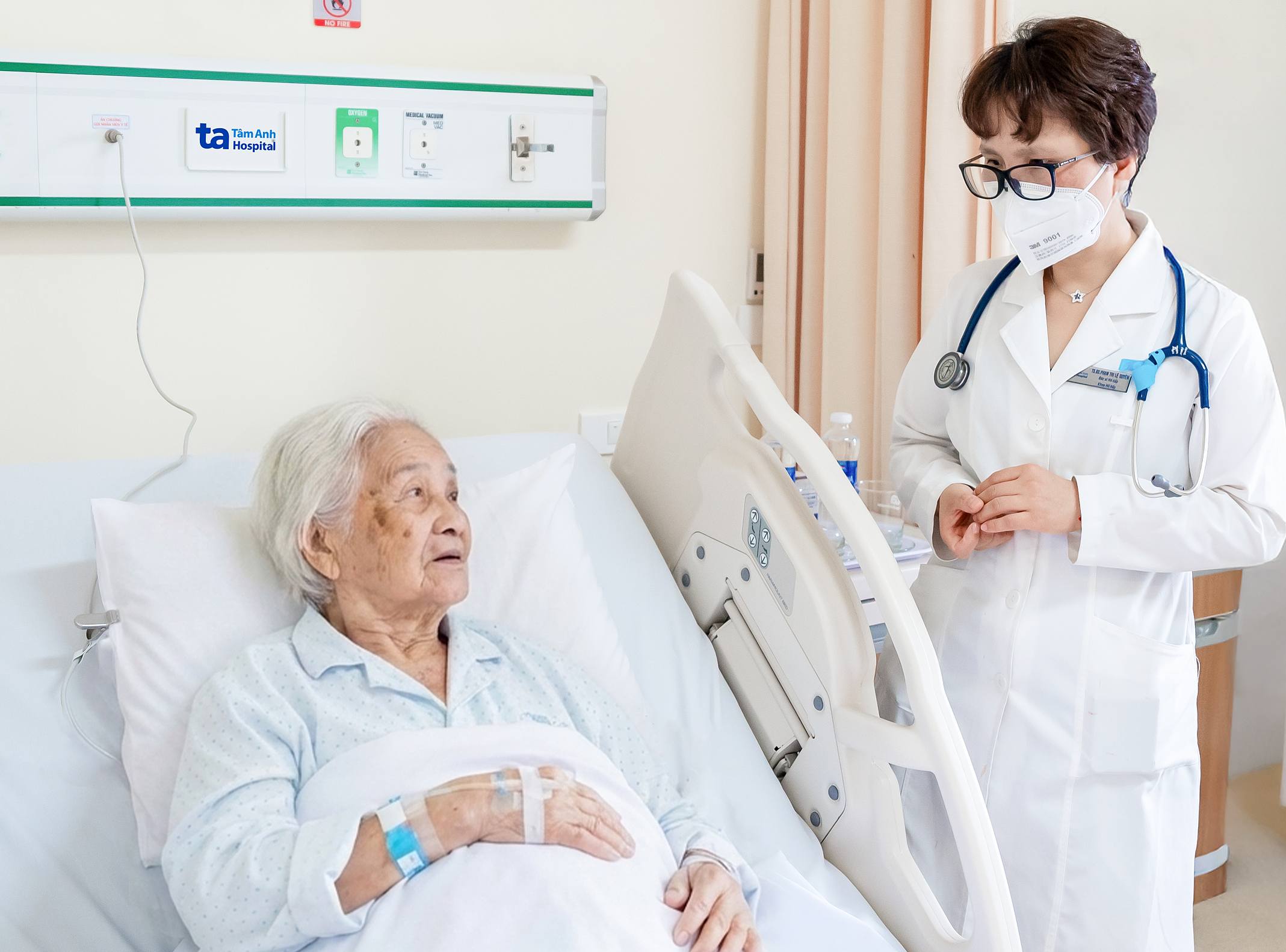 |
Ms. Mai's respiratory condition improved after intensive treatment. *Photo: Tam Anh General Hospital*
Doctor Tham emphasizes the importance of proactive respiratory protection. She advises wearing a standard mask outdoors to prevent inhaling fine dust, keeping the neck and chest warm, and avoiding sudden temperature shifts. A balanced diet should include protein-rich foods such as fish, eggs, lean meat, and low-fat milk, alongside green vegetables and fresh fruits abundant in vitamins A, C, and E. Adequate hydration, regular breathing exercises, and gentle physical activity are also crucial. Should symptoms like a persistent cough, wheezing, shortness of breath, fever, or chest tightness occur, prompt medical consultation is necessary for timely diagnosis and treatment, thereby preventing complications like respiratory failure.
Ha Nhung
*Patient's name has been changed
| Readers can send respiratory questions here for doctors to answer. |