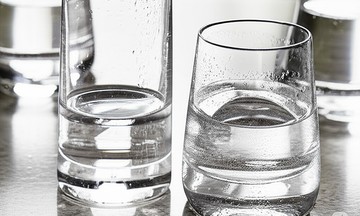
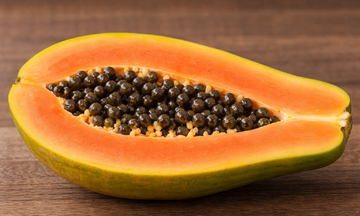
Alcoholic beverages
Individuals taking beta blockers for blood pressure control should avoid alcohol. Alcoholic beverages can elevate heart rate and blood pressure, diminishing the medication's efficacy.
Grapefruit
Grapefruit can interact with certain medications, particularly blood thinners and calcium channel blockers used for blood pressure. It may interfere with drug-metabolizing enzymes, potentially increasing side effects like dizziness or heart rate changes. Calcium channel blockers work by relaxing heart muscle and arteries, thereby widening blood vessels and lowering blood pressure; this effect can be compromised by grapefruit consumption. Patients should consult their doctor before consuming grapefruit.
Coffee
While a cup of coffee can boost alertness and energy, caffeine may temporarily raise blood pressure, especially in sensitive individuals. It can also accelerate heart rate and reduce the effectiveness of beta blockers for some. Combining caffeine with certain nervous system stimulants can heighten the risk of rapid heartbeat, depending on dosage and individual health.
Processed foods
Processed foods like instant noodles, hamburgers, and french fries often contain high levels of salt, hidden sodium, preservatives, and trans fats. A diet rich in sodium causes the body to retain water, which elevates blood pressure and can diminish the effectiveness of blood pressure medication.
High-fat meals
High-fat meals digest slowly, potentially impairing medication absorption if taken simultaneously. For optimal effectiveness, individuals should take their medication on an empty stomach: approximately one hour before or two hours after eating.
Dairy products
Dairy products can hinder the absorption of certain medications, notably some antibiotics and calcium channel blockers, due to calcium binding with the drugs. To ensure efficacy, medication should be taken at least one hour before or two hours after consuming milk, cheese, or other calcium-rich products.
Potassium-rich foods
Certain blood pressure medications can cause the body to retain potassium. Uncontrolled excess potassium may lead to arrhythmias and muscle weakness.
Herbal supplements
Herbal supplements such as ginseng, ginkgo, and others can interact with prescription blood pressure medications, either enhancing or diminishing their therapeutic effects. Patients should consult their doctor before using these products.
Le Nguyen (According to *Eating Well*)
| Readers can submit questions about cardiovascular diseases here for doctors to answer. |