An international conference titled "Digital Transformation in Healthcare and Building Smart Hospitals: International Experience and Implementation in Vietnam" recently took place on 16/7 in TP HCM. The event, organized by the Vietnam Medical Informatics Association in collaboration with TPP Company (UK) and Suc khoe & Doi song newspaper, had previously been held in Hanoi and Da Nang.
The conference focused on how the development of digital transformation in healthcare is ushering in new operational methods. Within this context, the electronic medical record (EMR) not only replaces paper files but also serves as a crucial data platform, helping hospitals connect, operate efficiently, and support more accurate medical decisions.
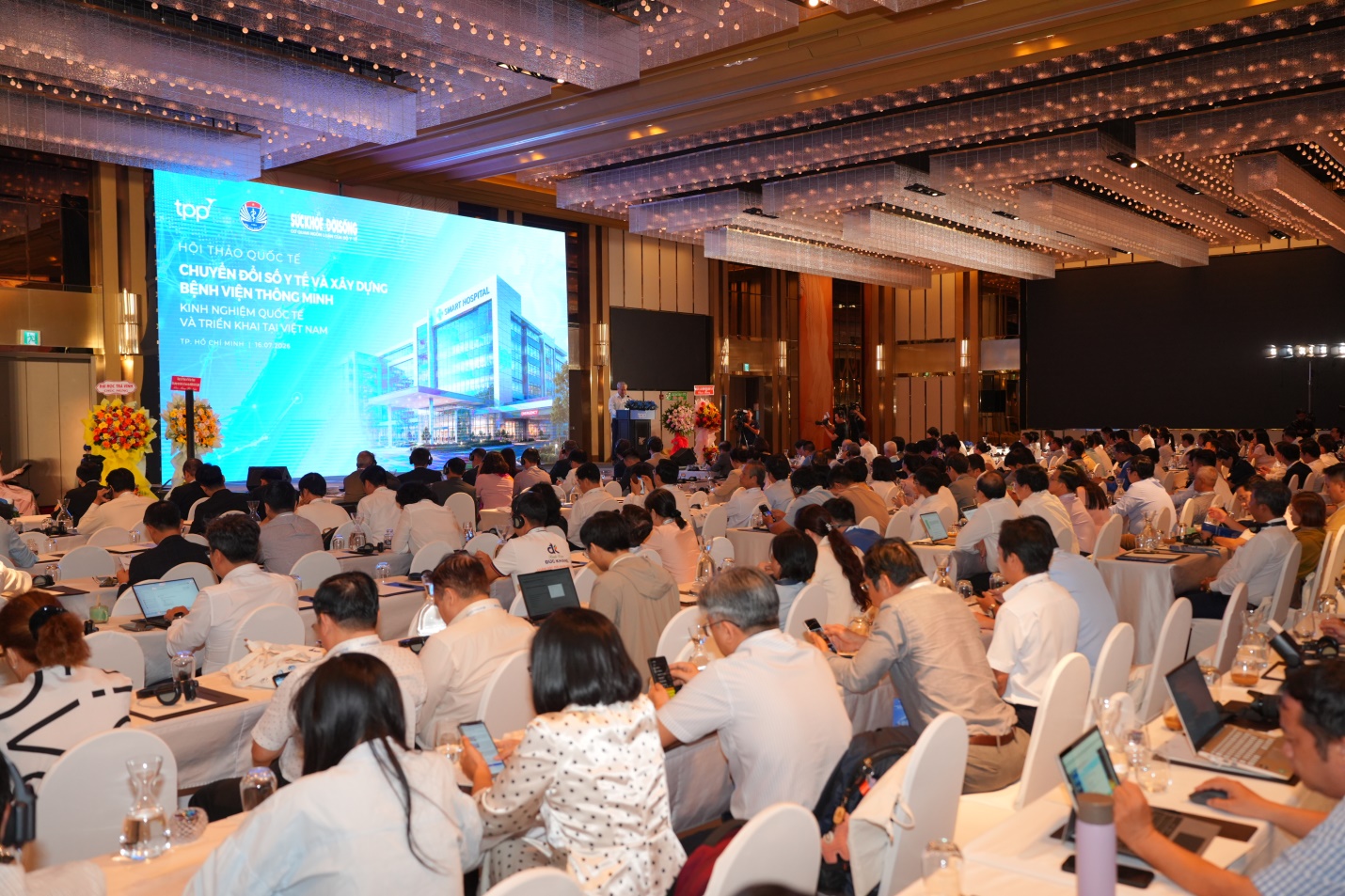 |
Overview of the conference in TP HCM. Photo: TPP |
According to Frank Hester OBE, Founder of TPP Company, patient health information was previously stored separately in paper records. Now, EMRs create a centralized data system, allowing medical information to be managed, updated, and utilized throughout the care process.
For doctors, EMRs provide quick access to a patient's medical history, test results, diagnoses, medications used, and prior medical interventions. This is crucial in situations requiring rapid, accurate treatment decisions. For hospitals, EMRs reduce reliance on paper and establish a foundation for standardizing processes, improving administrative efficiency, optimizing resources, and enhancing safety in care.
Frank Hester likened EMRs to the "central nervous system" of modern healthcare. When data is standardized and interconnected, information can follow the patient, eliminating the need for patients to carry paper documents when moving between healthcare facilities.
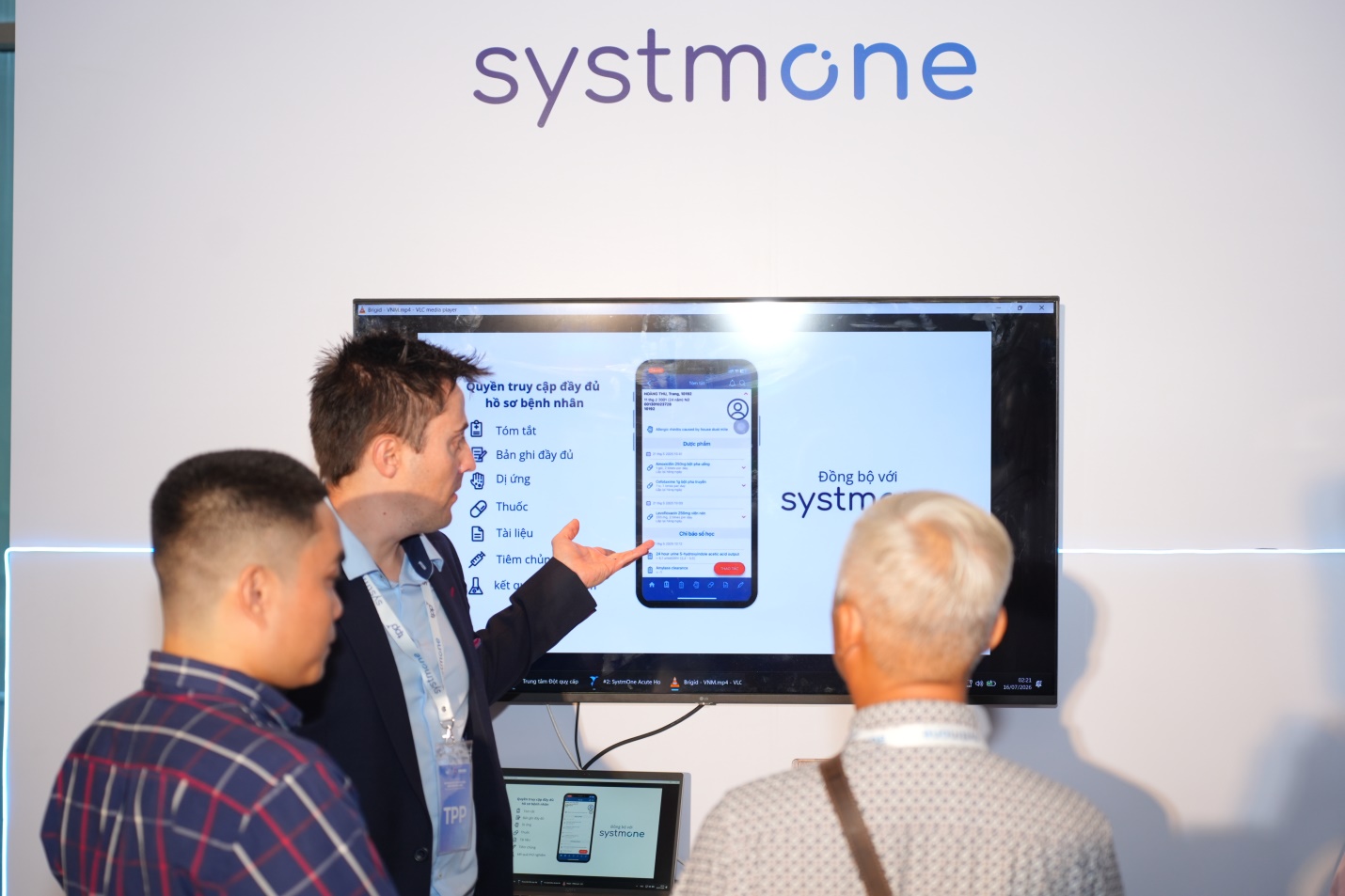 |
TPP expert shares insights on electronic medical record solutions. Photo: TPP |
A key lesson from countries that have implemented large-scale EMRs is that digital transformation in healthcare cannot be viewed merely as an information technology project.
During the conference series, Doctor Chris Bates, Research Director at TPP, shared experiences from implementing electronic medical records in many countries worldwide. The SystmOne electronic health record platform, developed by TPP, is widely used in the UK National Health Service (NHS) and has been deployed in numerous countries across Asia, the Middle East, and the Caribbean, with more than 14,000 projects.
TPP experts suggest that the success of EMRs hinges not on simply introducing software into a hospital, but on the ability to transform professional processes, management methods, and coordination among departments within the healthcare system.
 |
The conference series helps organizations choose appropriate digital transformation solutions. Photo: TPP |
Doctor Hui-Chi Yeh, Asia-Pacific Regional Director at TPP, stated that each country has unique characteristics regarding its healthcare system, infrastructure, and care needs. Therefore, digital transformation must combine international experience with local practical conditions. According to her, technology truly creates value when it solves operational problems in healthcare, helps staff work more efficiently, and improves patient experience.
Tran Tuan Linh, Editor-in-Chief of Suc khoe & Doi song newspaper, emphasized that digital transformation in healthcare is not just about technology, but a process of rebuilding the healthcare system, aiming for patients to access safer, more effective, and smarter services. The journey from paper records to intelligent health data systems is a long process, requiring coordination among regulatory bodies, healthcare facilities, technology experts, and international partners.
Based on the international experiences shared at the conference series, experts believe Vietnam has an opportunity to accelerate its transformation by learning from proven models and adapting them to the specifics of its domestic healthcare system. In the next phase, digital transformation in healthcare should focus on building a connected data ecosystem. Within this ecosystem, EMRs will not only serve for information storage but also support clinical decisions, enhance hospital management efficiency, and lay the foundation for developing advanced medical technologies like artificial intelligence (AI).