Sleep naturally cycles, and brief awakenings are common, often not impacting overall sleep quality. Yet, persistent nocturnal awakenings may signal underlying issues like lifestyle habits, stress, or health concerns. Here's what to consider.
Waking up at night is not always abnormal
Brief awakenings during the night do not automatically indicate insomnia. Healthline notes that sleep cycles naturally fluctuate, allowing individuals to briefly wake before quickly returning to sleep. However, prolonged or frequent awakenings that lead to daytime fatigue, drowsiness, or concentration difficulties warrant attention.
Stress and habits may be factors
Stress commonly causes nighttime awakenings. Elevated alertness due to stress makes returning to sleep challenging. Other disruptors include consuming coffee, alcohol, or nicotine, using electronic devices before bed, late-night meals, or a noisy, bright sleep environment.
Health also points out that excessive thinking or worrying in bed can prevent the brain from entering a relaxed state necessary for sleep.
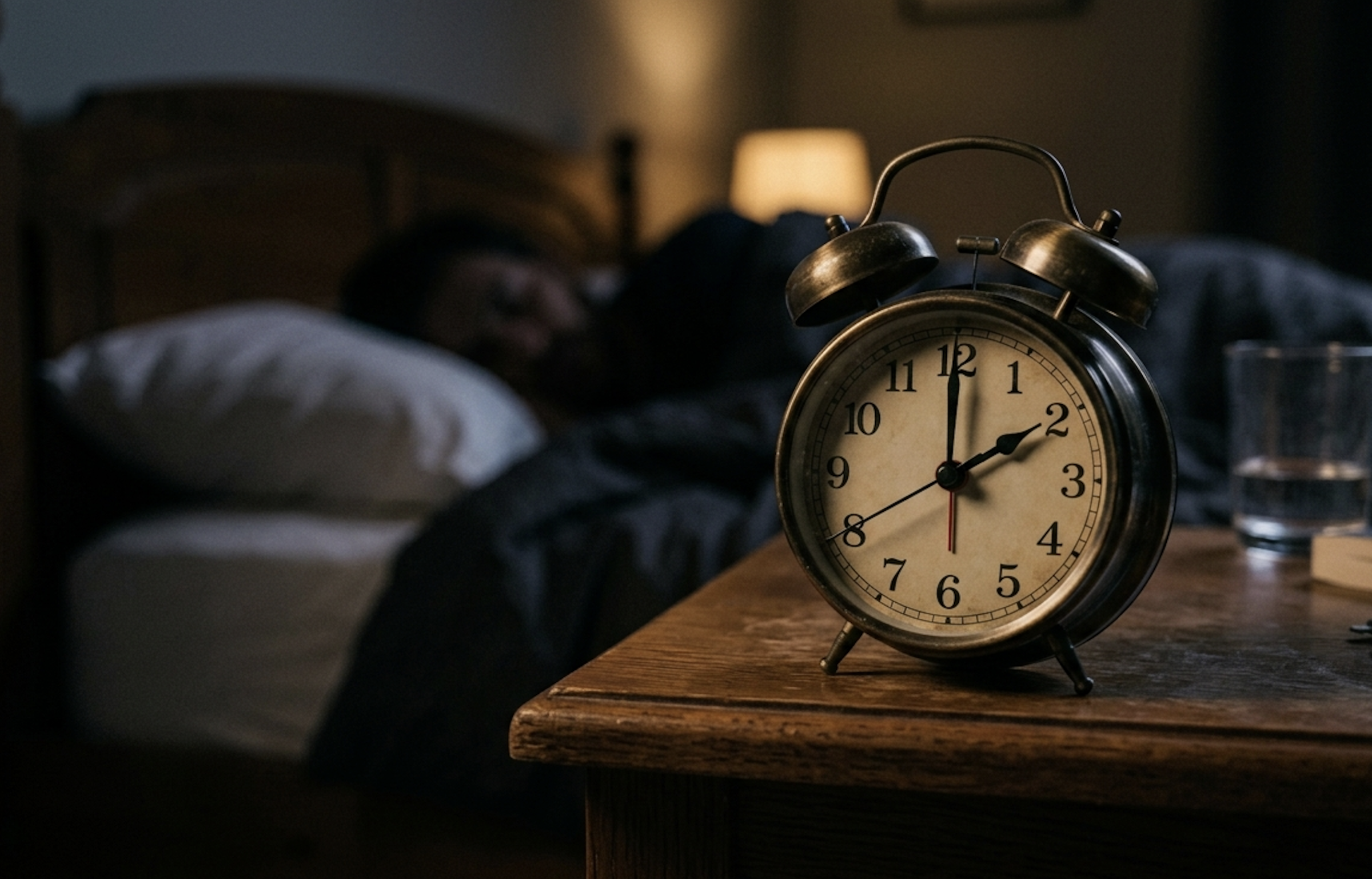 |
Waking up in the middle of the night can disrupt sleep, especially when frequent and difficult to resume. *Illustration: AI*
Avoid forcing yourself to sleep
If you wake and cannot fall back asleep within 20 minutes, avoid staying in bed to force it. Mayo Clinic advises leaving the bedroom, going to another room, reading, or doing a quiet activity until drowsiness returns, then going back to bed.
Avoid checking the clock, as it can heighten stress. Similarly, refrain from using phones or other screen devices, as their light and content can increase brain alertness.
Frequent awakenings with fatigue warrant attention
While occasional nocturnal awakenings are normal, frequent occurrences, difficulty returning to sleep, or daytime fatigue should prompt a doctor's visit to identify the cause. Insomnia can lead to fatigue, drowsiness, concentration issues, and mood disturbances.
Healthline also suggests frequent awakenings may link to insomnia, sleep apnea, gastroesophageal reflux, restless legs syndrome, chronic pain, or other health conditions.
To minimize awakenings, maintain consistent sleep and wake times, limit caffeine after noon, avoid alcohol before bed, and ensure a quiet, dark, comfortable sleep environment. Not every sleep issue indicates a disorder; however, certain sleep habits or symptoms may signal underlying health conditions. If problems persist or significantly impact quality of life, seek professional evaluation rather than self-medicating with sleep aids.
Bao Bao (Compiled)