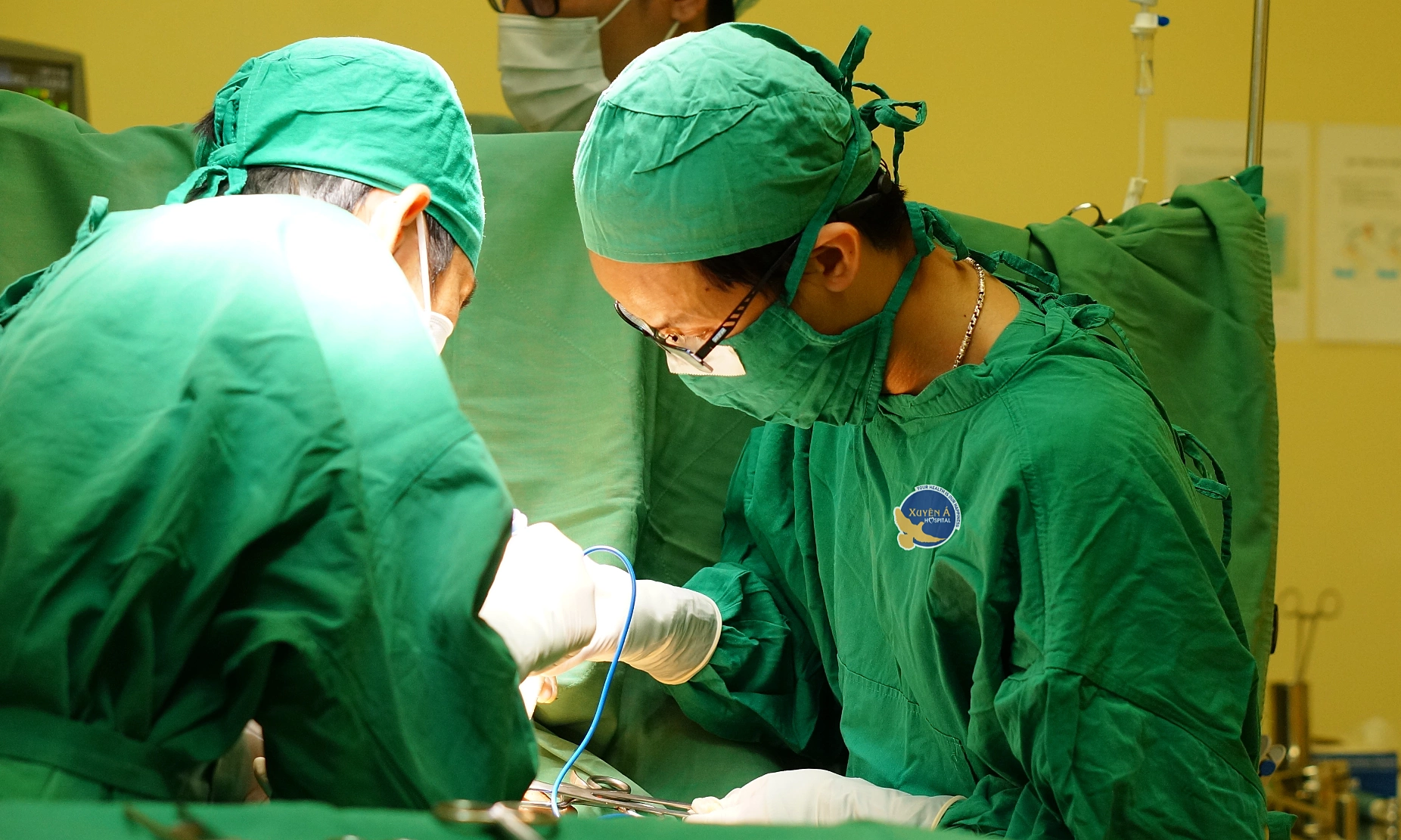
After three months of consuming unregulated remedies, Hoang was admitted to Hanoi Medical University Hospital's emergency department. He presented with exhaustion, jaundice, and right-sided abdominal pain. Lab tests revealed his liver enzyme levels were 5 times the normal limit, likely caused by poisoning from the unverified traditional medicine.
Phuong Dong International General Hospital recently treated a 40-year-old man in a similar condition. Doctor Doan Du Manh, Deputy Director of the hospital's Cardiology and Stroke Center, noted the patient had self-medicated with unverified traditional remedies, avoiding professional medical care.
One month of self-treatment exacerbated his fatty liver, leading to liver cell damage from toxic substances.
 |
Beyond fatty liver, Hoang developed high blood fat and suffered severe exhaustion after three months of using the remedies. *Photo: Subject provided* |
Doctor Manh explained that many individuals fall prey to 'specialized traditional remedies for fatty liver' due to fear of complications like cirrhosis or liver cancer. This fear often arises from equating 'liver fat' with serious cardiovascular risks such as atherosclerosis, stroke, or obesity.
Furthermore, illicit drug networks routinely create deceptive videos. These clips feature edited images of prominent doctors, national television logos, and fake social media accounts, all designed to mislead patients.
A survey by the Institute of Health Policy and Management revealed that 68% of traditional medicine users in Vietnam believe 'natural herbs are completely free of side effects.' However, scientific evidence confirms that all substances entering the body undergo liver metabolism and can be toxic.
Medically, a normal human liver contains 3-5% fat by weight. Doctors diagnose fatty liver only when fat accumulation exceeds 5%. In Vietnam, approximately 25-30% of adults exhibit fatty liver on ultrasound.
According to Associate Professor Nguyen Lan Hieu, Director of Hanoi Medical University Hospital, fatty liver disease has two primary categories: alcohol-related and non-alcohol-related. The non-alcohol-related type is often linked to sedentary lifestyles, diets high in fats or sugars, metabolic syndrome, or rapid weight loss.
The over-diagnosis of fatty liver in clinical settings fuels public anxiety. Associate Professor Hieu noted that many medical facilities pre-populate ultrasound report templates with 'fatty liver.' Sonographers occasionally overlook removing this phrase, resulting in misdiagnoses, even for children.
Technically, fat accumulation makes liver tissue appear brighter (hyperechoic) on ultrasound. Assessing this brightness relies on each doctor's subjective interpretation. Factors like low-quality ultrasound machines, thick abdominal walls, or recent irregular activities can yield 'false positive' results, indicating disease when the liver is healthy.
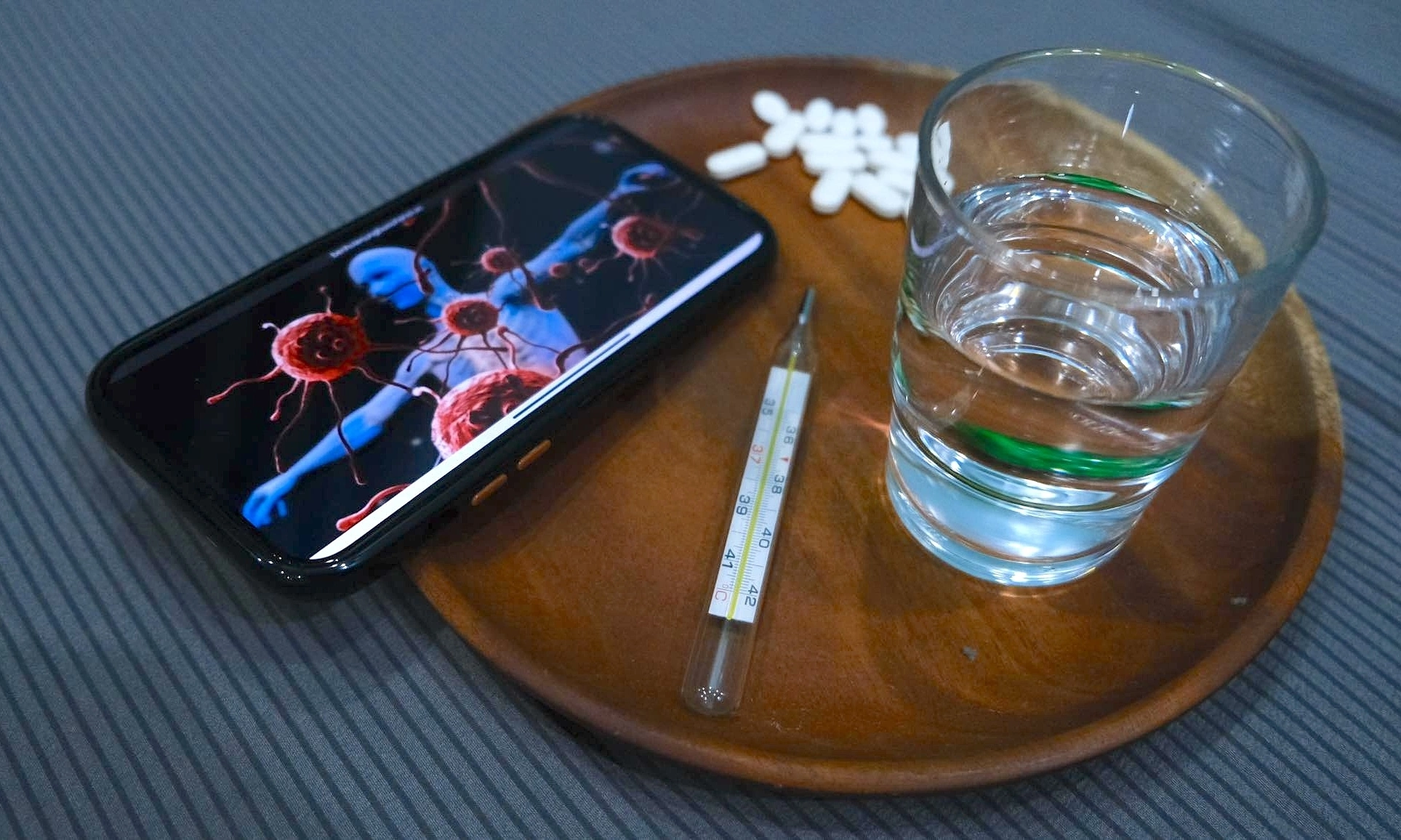
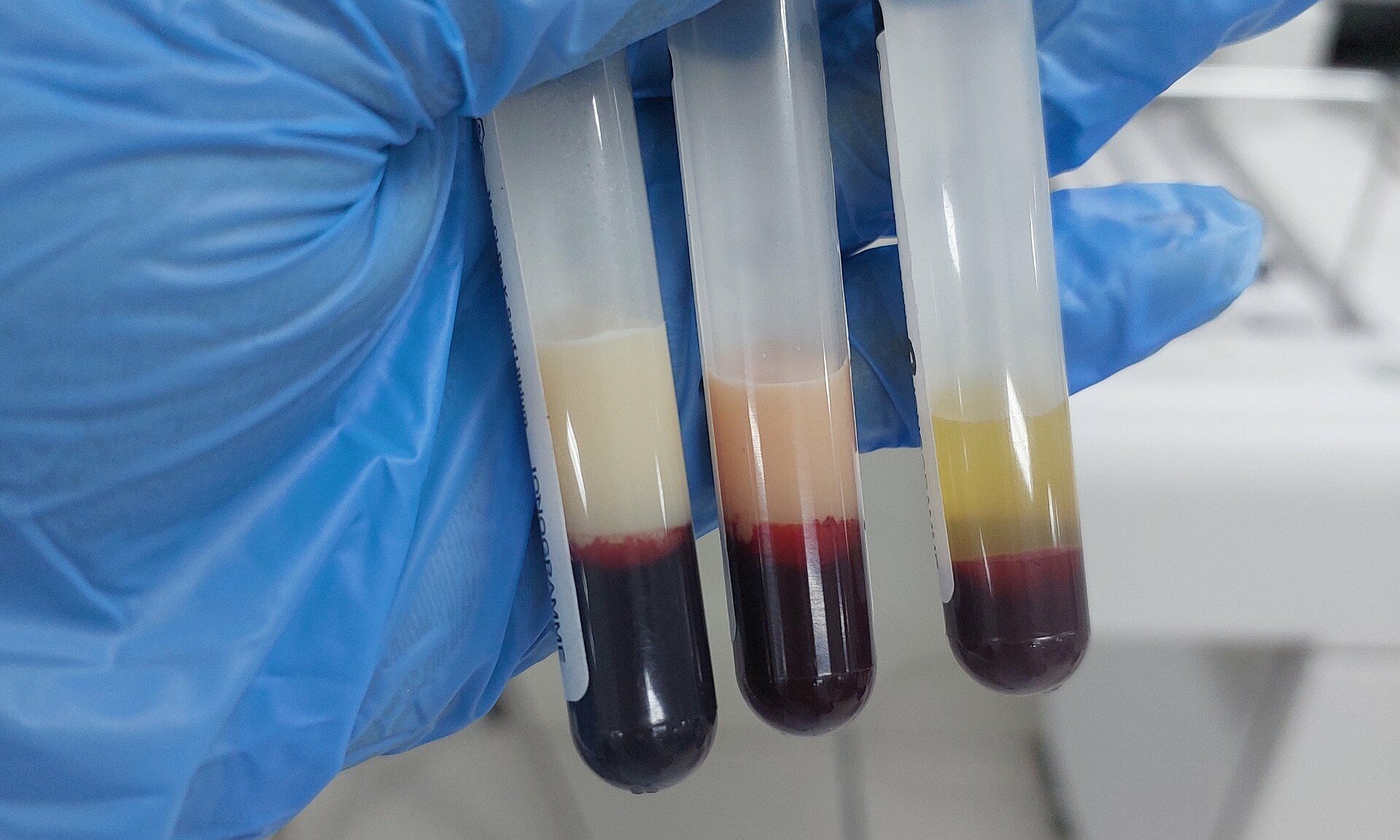
Modern medicine confirms no specific drug or supplement can effectively treat or rapidly eliminate liver fat. Consuming unregulated remedies or detox teas with unknown ingredients only increases metabolic strain, leading to liver cell necrosis and accelerating cirrhosis.
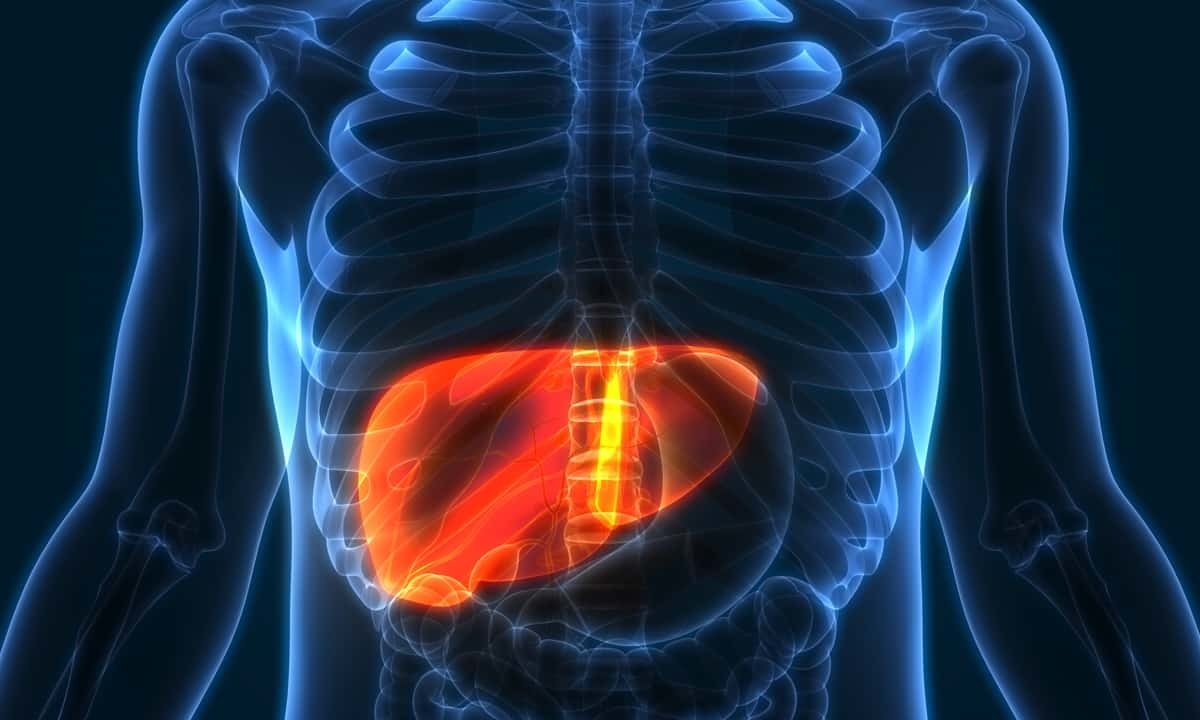 |
Illustration: *Carygastro* |
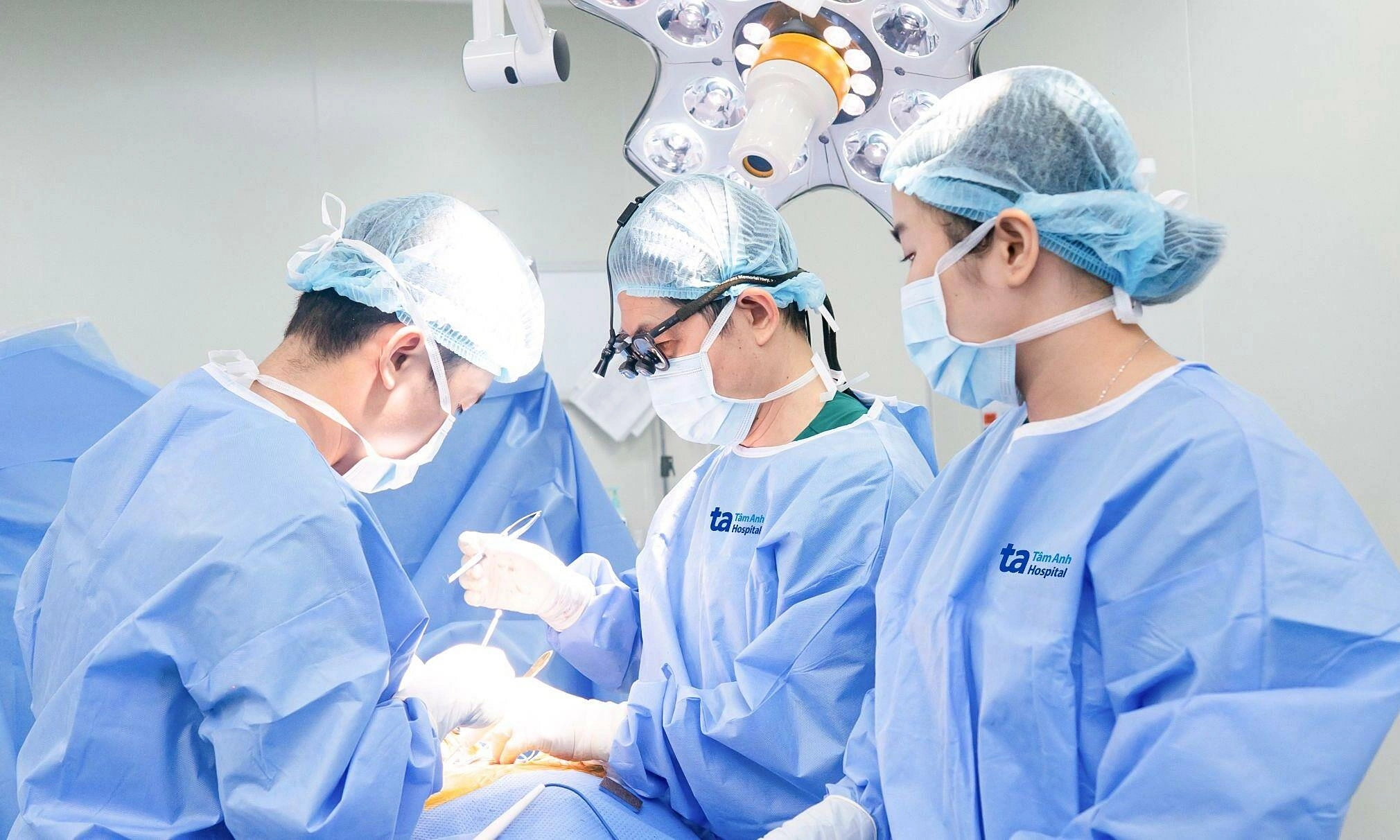
To safeguard health and avoid unnecessary expenses, individuals should ask their sonographer for a clear diagnosis of their fatty liver grade. Ultrasound results are imprecise if the doctor fails to specify the exact degree of fat infiltration.
For grade 1 fatty liver, patients need only adjust their diet, reduce alcohol intake, and maintain a healthy body mass index (BMI) to allow the liver to recover naturally.
Patients require intensive medical intervention when ultrasound reveals grade 2 or grade 3 fatty liver, especially if accompanied by elevated liver enzymes, abdominal pain, jaundice, appetite loss, or existing conditions like diabetes or hypertension.
Individuals who drink alcohol three to four times weekly should undergo health check-ups every six months to monitor liver tissue damage.
Thuy An