Initially, the bleeding was light and self-resolved, leading Ms. Ha to delay seeking medical attention. However, by the third episode, the condition persisted for 10 days with unusually heavy bleeding, prompting her to visit Tam Anh General Hospital Ho Chi Minh City for examination.
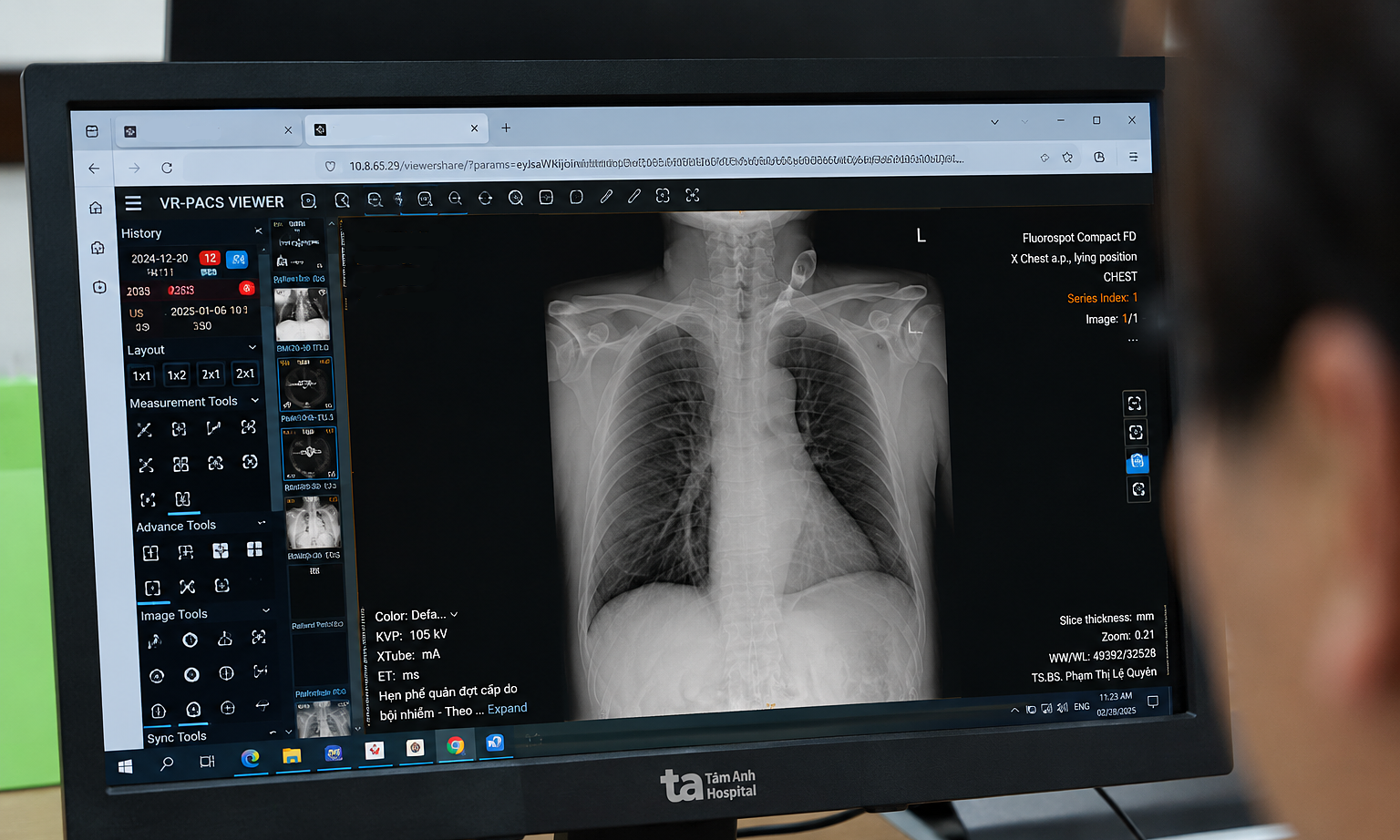
An endometrial biopsy confirmed that Ms. Ha had endometrial adenocarcinoma. Doctor Nguyen Ba My Nhi, Director of the Obstetrics and Gynecology Center at Tam Anh General Hospital Ho Chi Minh City, ordered an MRI for the patient. The MRI revealed an abnormal mass measuring 41x17x21 mm in the uterine body and fundus, classifying it as stage 1B endometrial cancer.
The surgical team performed an open abdominal hysterectomy, removed both adnexa, and conducted a pelvic lymph node dissection. Post-operative pathology confirmed that the cancer had not invaded adjacent organs.
 |
Doctor My Nhi (center) performing surgery to treat endometrial cancer for Ms. Ha. *Photo: Tam Anh General Hospital* |
According to Doctor My Nhi, endometrial cancer is common in postmenopausal women, particularly those aged 55 to 64. Over 90% of endometrial cancer cases present with abnormal vaginal bleeding, such as postmenopausal bleeding, prolonged heavy menstrual bleeding, or bleeding between periods. Ms. Ha had experienced warning signs for six months, but the initial bleeding episodes were light and resolved on their own, leading her to believe it was merely a hormonal imbalance.
Doctor My Nhi noted that many perimenopausal and postmenopausal women often mistake uterine cancer symptoms for hormonal imbalances or gynecological inflammation. This misunderstanding allows the disease to progress silently, leading to missed opportunities for early detection. Consequently, treatment becomes more complex, increasing the risk of recurrence and negatively impacting the patient's prognosis.
Risk factors for endometrial cancer include obesity, hypertension, diabetes, never having given birth, early menstruation or late menopause, and prolonged hormone use without medical supervision.
To prevent the disease, doctors recommend that postmenopausal women continue to undergo regular gynecological examinations. If any vaginal bleeding occurs, even if minimal, patients should seek early medical attention for screening and timely treatment. This is crucial to avoid overlooking dangerous conditions such as endometrial cancer, cervical cancer, or ovarian cancer.
Tue Diem
*Character's name has been changed
| Readers can submit questions about obstetrics and gynecology here for doctors to answer. |