Doctor Duong Viet Bac, from the Department of Obstetrics and Gynecology at Tam Anh General Hospital Hanoi, states that preterm birth occurs when a baby is born before 37 weeks. While some risks can be identified and monitored early, some pregnant women experience preterm birth without obvious contributing factors.
**History of preterm birth**
Pregnant women with a history of preterm birth face a higher risk of recurrence in subsequent pregnancies. This risk depends on the gestational age at the previous birth, the cause of the preterm birth, and the current health status during pregnancy.
A history of late miscarriage, early cervical dilation, or previous cervical cerclage should be reported to the doctor during the first prenatal visit. Pregnant women may undergo cervical length monitoring and receive advice on appropriate preventive measures.
**Maternal age (too young or advanced)**
Pregnant women who are very young or of advanced maternal age may face more obstetric risks, depending on their health status and co-existing medical conditions. While maternal age is not the only cause of preterm birth, it is a factor doctors consider when evaluating a pregnancy.
 |
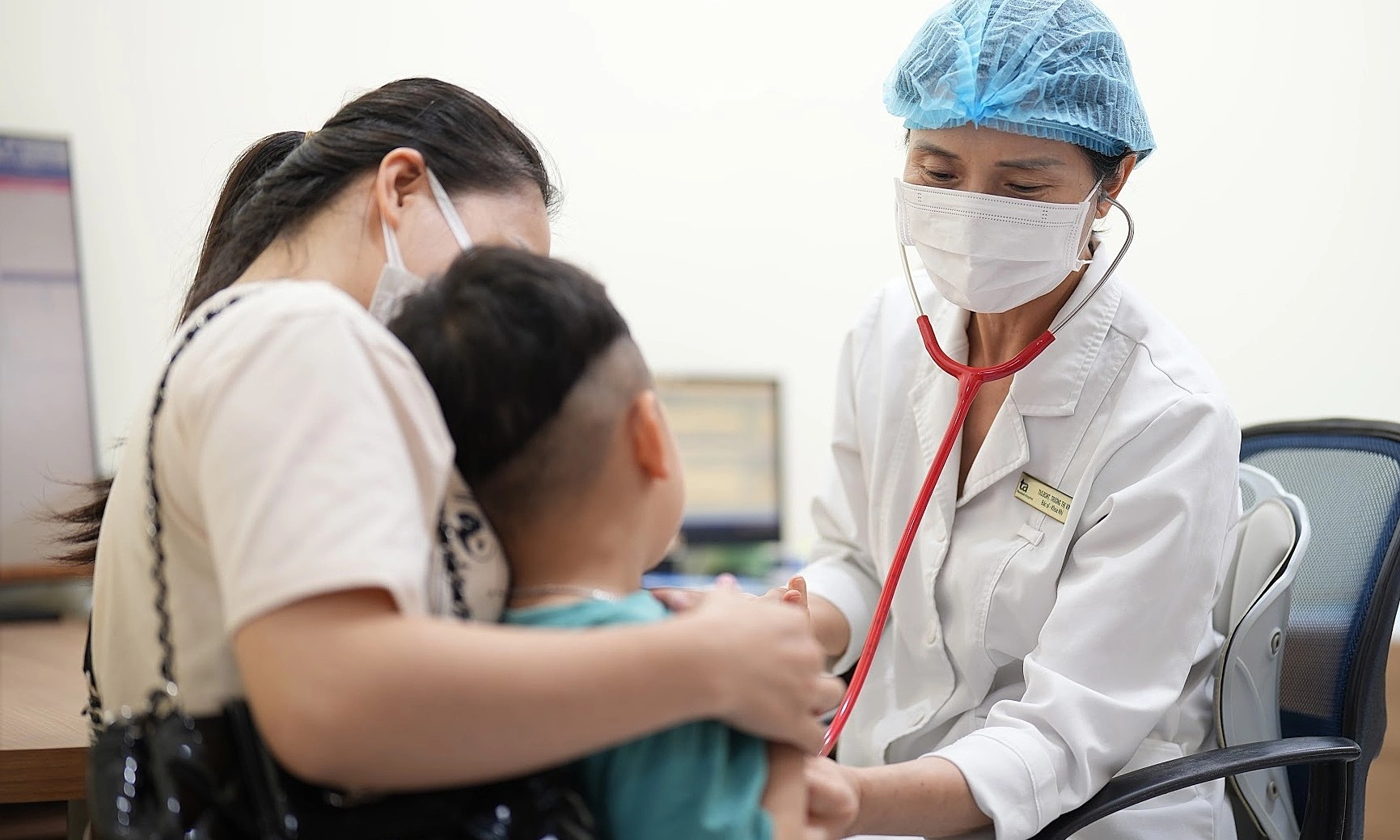
Doctor Bac advises a patient. *Photo: Tam Anh General Hospital* |
**Interval between pregnancies**
A short interval between pregnancies prevents the mother's body from fully recovering, especially after a cesarean section or a complicated pregnancy. Pregnant women should consult their doctor for advice on the appropriate time to conceive again, based on their health.
**Multiple pregnancies**
Twin or triplet pregnancies place greater pressure on the uterus, increasing the risk of early contractions, a short cervix, or cervical dilation before the due date.
Pregnant women carrying multiple fetuses typically undergo close monitoring of each fetus's development, amniotic fluid volume, placental condition, and cervical length. Certain complications associated with multiple pregnancies may also require doctors to deliver the babies earlier to ensure the safety of both mother and infants.
**Short cervix or uterine abnormalities**
The cervix plays a crucial role in holding the pregnancy within the uterus until labor begins. A short cervix, cervical insufficiency, or previous cervical surgery can increase the risk of early cervical dilation.
Certain structural abnormalities of the uterus, such as a malformed uterus, large fibroids, or intrauterine adhesions, can also affect fetal development. However, not every case involving fibroids or uterine abnormalities leads to preterm birth. Doctors must assess the location, size of the lesion, and its actual impact during each pregnancy.
**Maternal infections and medical conditions**
Urinary tract infections, vaginal infections, or other infections can stimulate contractions and cause cervical changes. Pregnant women should seek medical attention if they experience symptoms such as painful or frequent urination, unusual vaginal discharge, itching, lower abdominal pain, or fever.
Medical conditions such as hypertension, preeclampsia, diabetes, thyroid disease, kidney disease, or autoimmune diseases can also increase the risk of preterm birth. Some cases require treatment and close monitoring; others may necessitate early termination of the pregnancy to protect the mother or the fetus.
**Placental and fetal abnormalities**
Placenta previa, placental abruption, vaginal bleeding, polyhydramnios (excess amniotic fluid), or oligohydramnios (insufficient amniotic fluid) can be associated with an increased risk of early birth.
Fetal growth restriction, chromosomal abnormalities, or certain birth defects also require special monitoring. Depending on the condition of the mother and fetus, doctors will consider either continued monitoring or early delivery.
Doctor Bac advises pregnant women to seek medical attention before 37 weeks if they experience recurrent uterine contractions, back or lower abdominal pain, a heavy feeling in the pelvis, vaginal bleeding, fluid leakage, ruptured membranes, or reduced fetal movement compared to usual. He recommends attending scheduled prenatal appointments, providing a complete obstetric history, and seeking immediate medical examination for any abnormal signs to ensure timely assessment and management if there is a risk of preterm birth.
Van Anh
| Readers can submit questions about obstetrics and gynecology here for doctors to answer. |