Perishable foods left at room temperature (20-30 degrees C) for too long create conditions for pathogenic bacteria to grow. Reheating does not always eliminate the risk, as some toxins produced by bacteria are heat-resistant. Understanding common culprits and proper storage is crucial for preventing foodborne illness.
**Baked Potatoes Wrapped in Foil**
Baked potatoes wrapped in foil pose a botulism poisoning risk if left at room temperature for too long. According to Eating Well, the low-oxygen environment inside the foil allows Clostridium botulinum spores to grow and produce toxins when other conditions are favorable. Remove the foil and store baked potatoes in the refrigerator soon after preparation.
**Pre-cut Fruits and Vegetables**
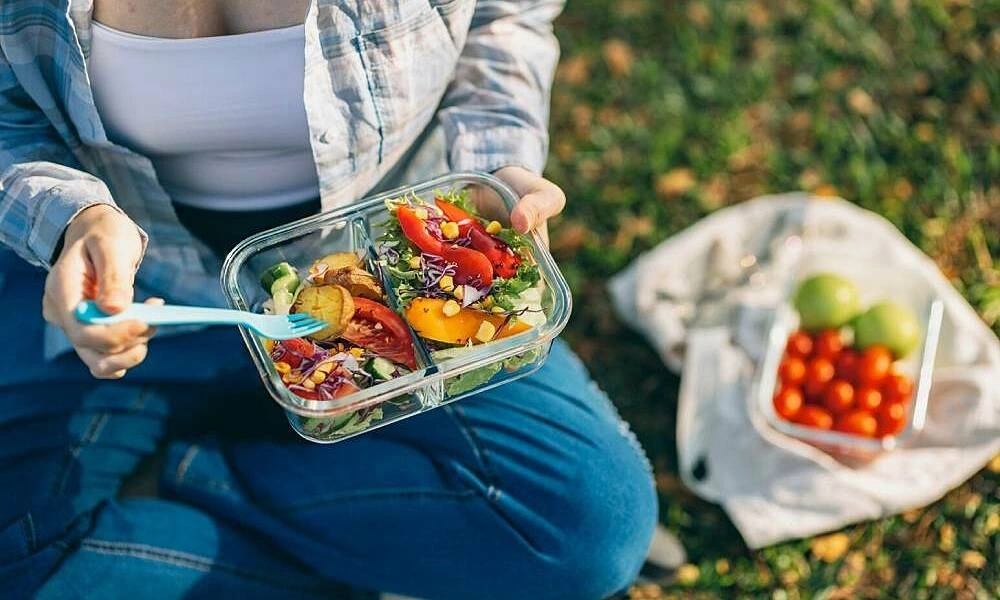
Microorganisms from knives, cutting boards, handlers' hands, or the surrounding environment can contaminate pre-cut fruits and vegetables. Removing the peel and exposing the inner surface also makes the food more susceptible to contamination. If left at room temperature for over two hours, microorganisms can grow, increasing food poisoning risk. Store cut produce in the refrigerator and use clean utensils during preparation.
 |
Pre-cut fruits and vegetables left at room temperature for over two hours are prone to bacterial contamination. Photo: Thanh Thuong. |
**Deli Meats**
Deli meats are convenient but can become contaminated with bacteria from knives, cutting boards, containers, or unclean surfaces during processing and storage. Keep deli meats refrigerated and do not leave them at room temperature for more than two hours; if the ambient temperature is above 32 degrees C, this time reduces to one hour.
**Cooked Rice**
Cooked rice left at room temperature allows Bacillus cereus spores that survive cooking to germinate, grow, and produce toxins. Some toxins are heat-resistant, so reheating does not guarantee complete elimination of the risk. According to Verywell Health, rice that has changed color, become slimy, or has an unusual smell should not be consumed. However, contaminated rice may not show any unusual signs, so attention to storage time and conditions is crucial.
**General Food Safety Practices**
To minimize bacterial contamination risk: store raw meat, fish, and shrimp separately from vegetables and cooked food; keep food covered; and maintain appropriate refrigerator temperatures. Place milk, yogurt, and other products requiring refrigeration in compartments with stable temperatures according to storage instructions. Additionally, do not use the same knives and cutting boards for raw and cooked foods without thorough cleaning. Washing hands, cleaning preparation utensils, and not leaving perishable food at room temperature for too long significantly reduce poisoning risk.
Anh Chi (Synthesized)