Taiwan faces a significant health challenge with over 2 million people living with diabetes. Managing blood sugar is a daily concern for many families, as sustained high levels elevate the risk of severe cardiovascular complications like stroke or heart attack. Pharmacist Ho Dinh Nhac, a prominent preventive medicine expert in Taiwan (China), has proposed five effective strategies to stabilize blood sugar without strict dieting.
His mother, for instance, saw remarkable results after just three months: her HbA1c dropped from 6,4% to 6,1%, alongside noticeable weight improvement. Many other patients following these guidelines have reported similar progress.
 |
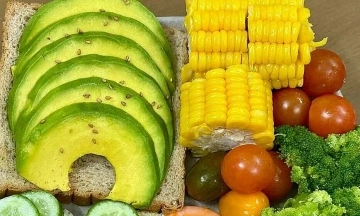
Illustrative photo: Northwell Health |
"Fake vegetables" are starchy foods
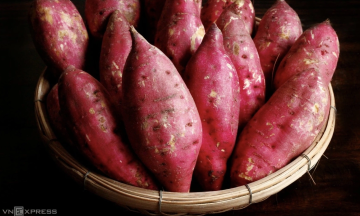
Foods like pumpkin, corn, potatoes, and sweet potatoes are not true vegetables but starchy items, often referred to as "fake vegetables." Their intake should be counted as part of one's rice portion. For instance, if a meal allows one bowl of rice, consuming pumpkin necessitates reducing the equivalent amount of rice to stay within the one-bowl limit. Exceeding this guideline will elevate blood sugar levels.
Honey raises blood sugar
A common misconception is that natural honey does not raise blood sugar. Pharmacist Nhac recounted a case where a well-controlled diabetic patient's blood sugar levels suddenly doubled during a check-up. Investigation revealed the patient consumed imported honey water daily, which caused the uncontrolled spike.
Avoid combining milk with starchy foods
Milk contains lactose, which can elevate blood sugar. Therefore, when consuming milk, avoid pairing it with starchy items such as bread, as this combination can cause a rapid increase in blood sugar. Instead, drink milk with salads, green vegetables, or lean meats to help maintain stable blood sugar levels.
Eat fruit after meals
To maintain stable blood sugar, he recommends eating fruit after main meals. Consuming fruit on an empty stomach often triggers cravings and overeating, leading to blood sugar spikes. Eating fruit when already full helps mitigate the risk of a sudden increase from fruit sugars.
The 2-1-1 plate rule
Whether dining at home or out, the 2-1-1 plate method is highly effective: fill one-half of your plate with green vegetables, one-quarter with protein (meat, fish, etc.), and the remaining one-quarter with whole grains or rice. If hunger persists, use a larger plate while strictly maintaining these proportions.
Binh Minh (According to China Times)