75% of the volunteers are from the UK, with a total of 26 vaccination sites across England and Scotland, including community clinics and local healthcare facilities. The trial focuses on groups most susceptible to infection, such as poultry farmers, processing plant workers, and individuals over 65 years old.
This phase evaluates the vaccine's safety and ability to generate immunity. It assesses whether the vaccine helps the body produce antibodies against the circulating H5N1 virus and emerging strains.
The vaccine utilizes mRNA technology, similar to some Covid-19 vaccines. mRNA acts as an "instruction manual" for cells to produce a virus-like protein, enabling the immune system to recognize and attack the actual virus upon invasion.
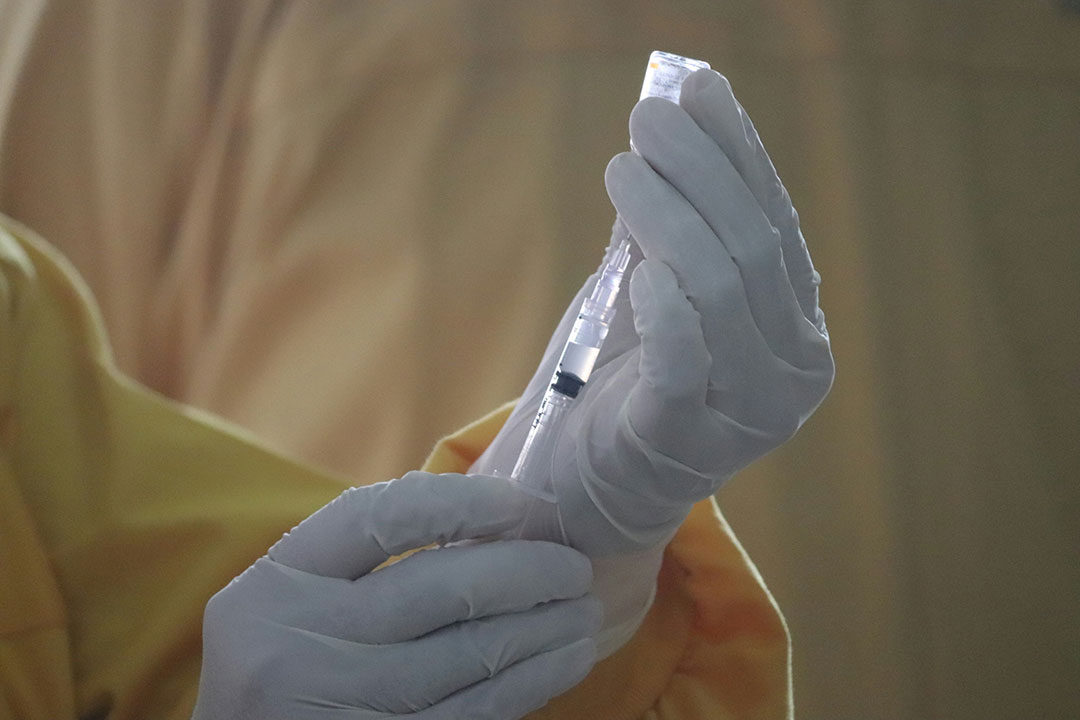 |
Illustration of vaccine research. Photo: Unsplash |
To effectively deliver mRNA to cells, the vaccine uses 100-200 nanometer lipid nanoparticles to encapsulate and protect the mRNA, maximizing the amount transported.
Before mRNA technology, influenza vaccines were developed by modifying or inactivating viruses, a process that was time-consuming, costly, and yielded inconsistent effectiveness. Avian influenza has not been a priority for vaccine development due to its low transmission rate to humans. This new technology enables faster, more efficient development, applicable to various virus types.
According to the research team, while avian influenza currently poses a low direct risk to humans, H5N1 remains dangerous to birds, mutates rapidly, and can transmit to humans. In humans, the virus can cause severe illness, especially in the elderly or those with weakened immune systems. The vaccine aims to protect vulnerable groups and prepare for potential future pandemic prevention.
Van Ha (According to Gavi, NIHR)