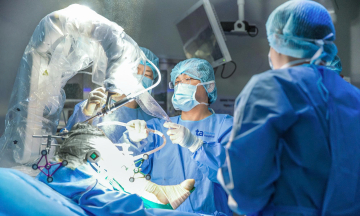
Nghia underwent micro-TESE (microsurgical testicular sperm extraction) at a hospital eight years ago for in vitro fertilization, but two embryo transfers were unsuccessful. When he and his wife visited the Center for Reproductive Assistance, Tam Anh General Hospital TP HCM (IVF Tam Anh TP HCM), Master of Science, Doctor Le Dang Khoa, diagnosed Nghia with mixed azoospermia—a condition involving both obstructive and non-obstructive azoospermia—which had progressively diminished his sperm production over many years.
According to Dr. Khoa, if Nghia's condition had been detected earlier and treated with vasectomy reversal, he would have had a 90% chance of natural conception, or at least avoided multiple sperm extraction procedures. The previous microsurgery was highly invasive, breaching the "blood-testis barrier"—the final protective stronghold against the body's autoimmune reaction to sperm—and causing damage to testicular tissue. Nghia's FSH hormone levels, elevated above 10 mIU/mL, indicated severely impaired sperm production.
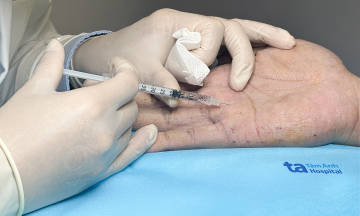
Dr. Khoa recommended percutaneous epididymal sperm aspiration (PESA), a less invasive technique designed to maximize the preservation of the patient's remaining fertility. Sperm retrieved from the epididymis also tends to be of better quality, increasing fertilization success.
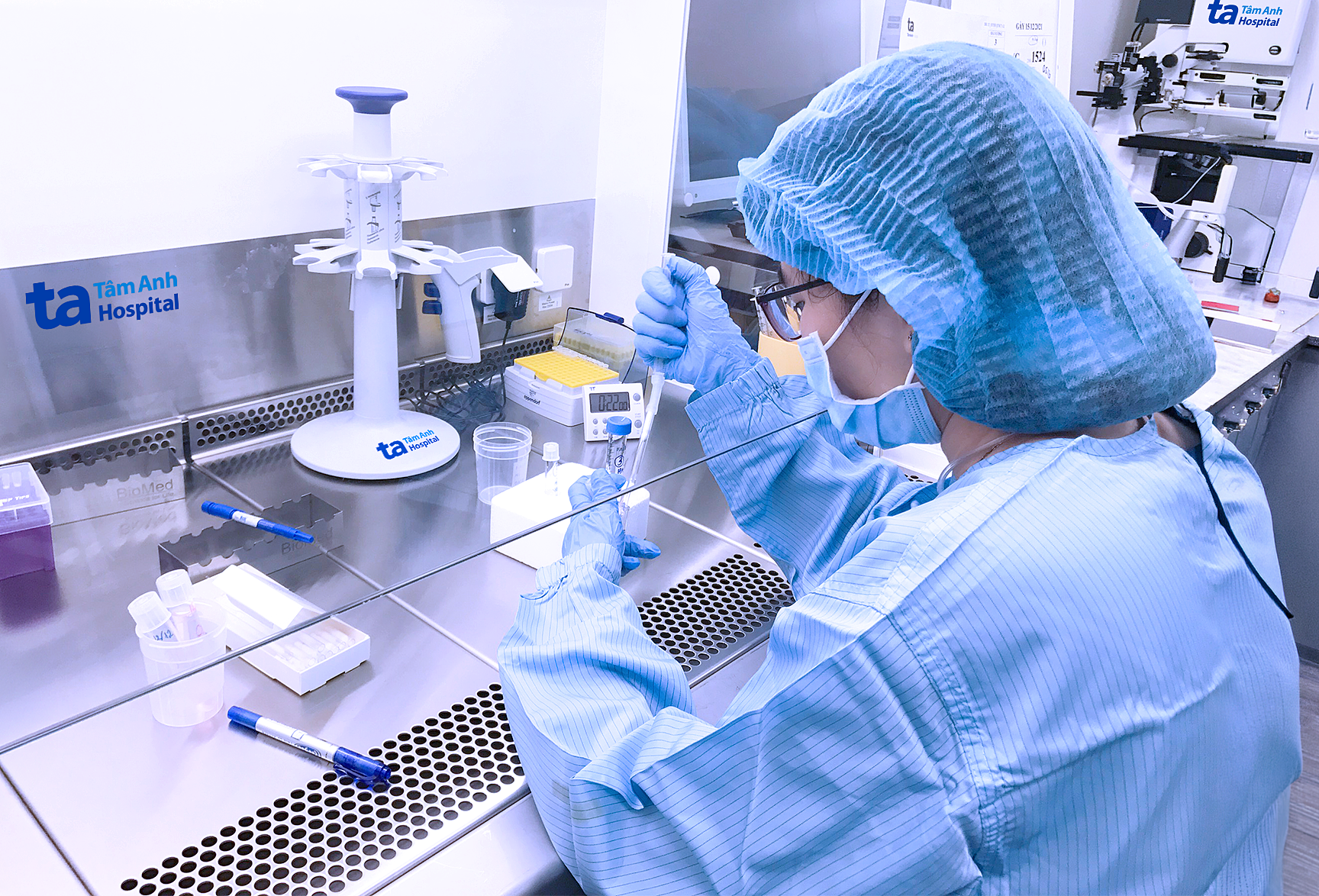 |
Embryologists filter, wash, and find healthy sperm for the patient. Photo: IVF Tam Anh
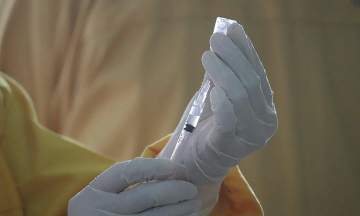
Nghia's epididymal region presented with significant scar tissue and adhesions, making sperm aspiration challenging. Additionally, prolonged obstruction and chronic inflammation in his testes and epididymis prevented vasectomy reversal. After careful exploration and intervention, the team successfully aspirated sperm, which was then transferred to the lab. Under high-magnification microscopy, embryologists selected sperm with optimal morphology and motility, discarding samples of poor quality or those with high DNA fragmentation, ultimately securing two samples sufficient for two in vitro fertilization cycles.
Concurrently, Master of Science, Doctor Giang Huynh Nhu, Director of IVF Tam Anh TP HCM, initiated ovarian stimulation for Nghia's wife. Combining her eggs with Nghia's sperm, the team successfully created six day-three embryos, one day-five embryo, and one day-six embryo. The wife conceived during the first embryo transfer and gave birth to a 3,5 kg baby girl.
Two years later, the couple returned to the hospital for a subsequent transfer of the day-six embryo. This resulted in another successful pregnancy, and they welcomed their second daughter in late 4/2026.
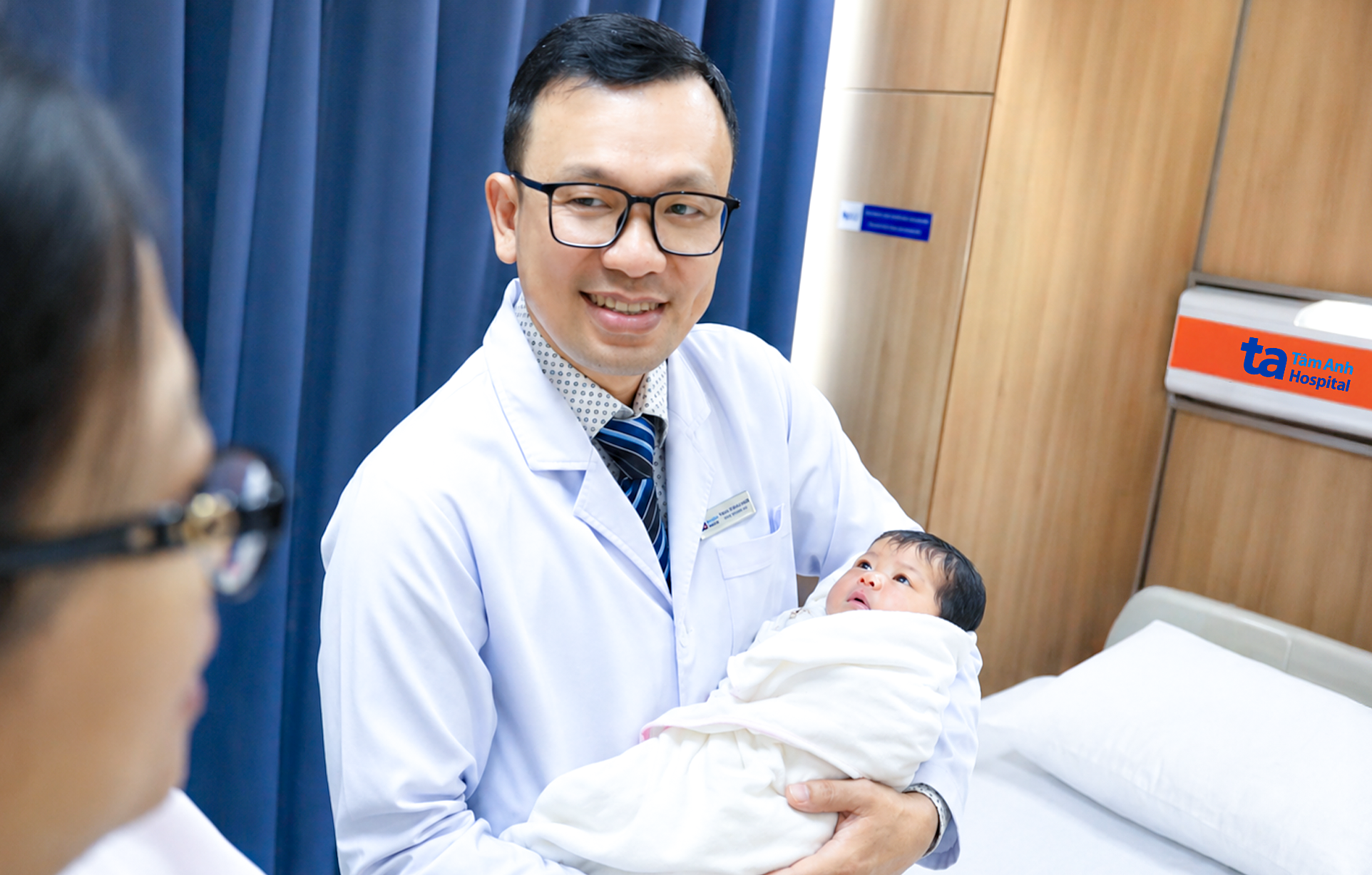 |
Master of Science, Doctor Le Dang Khoa visits Nghia's second baby, born in late April. Photo: IVF Tam Anh
Dr. Khoa stated that azoospermia is a common cause of male infertility, accounting for a significant proportion of current infertility cases. For mixed azoospermia cases like Nghia's, various sperm retrieval methods, including PESA, TESA (testicular sperm aspiration), or micro-TESE, can be applied depending on the patient's specific condition.
Men with a history of mumps, injury, accident, or conditions affecting their reproductive organs should seek early assessment of their fertility function. Timely intervention or sperm cryopreservation can help preserve their opportunity for future fatherhood. Infertile couples should undergo simultaneous consultations at facilities that treat both male and female infertility, as this approach can shorten diagnosis times and enhance treatment efficacy.
Nguyet Nhi
* Character's name has been changed