As people age, the body's metabolic and digestive capabilities gradually decline, explains Doctor Nguyen Trong Thuy, former head doctor for the Vietnam National and U23 National Teams. While seniors do not need to completely eliminate white rice from their diet, reducing their portion and replacing some of it with whole grains, legumes, or potatoes can offer numerous health benefits.
Here are five positive changes seniors may experience by adjusting their daily white rice consumption:
**Efficient digestive system**
Consuming too much white rice in one meal can overwork the stomach, leading to a feeling of fullness after eating. By reducing rice portions and increasing fiber-rich foods like green vegetables, whole grains, and legumes, the digestive system operates more smoothly.
Fiber also nourishes beneficial gut bacteria, improves bowel movements, helps prevent constipation, and may alleviate acid reflux in some individuals, especially when consumed at dinner.
**Stable blood sugar**
White rice has a relatively high glycemic index (GI), which can cause blood sugar to rise rapidly after a meal. Reducing white rice intake and combining it with green vegetables, protein-rich foods, or whole grains helps slow carbohydrate absorption, thereby limiting blood sugar fluctuations.
Studies indicate that replacing some white rice with whole grains can lower the risk of type 2 diabetes and support better blood sugar control.
**Supports weight management**
Many people habitually consume excessive amounts of rice, causing their total energy intake to exceed the body's needs. Reducing white rice and adding fiber-rich foods promotes a longer-lasting feeling of fullness, which helps curb snacking and effectively supports weight management.
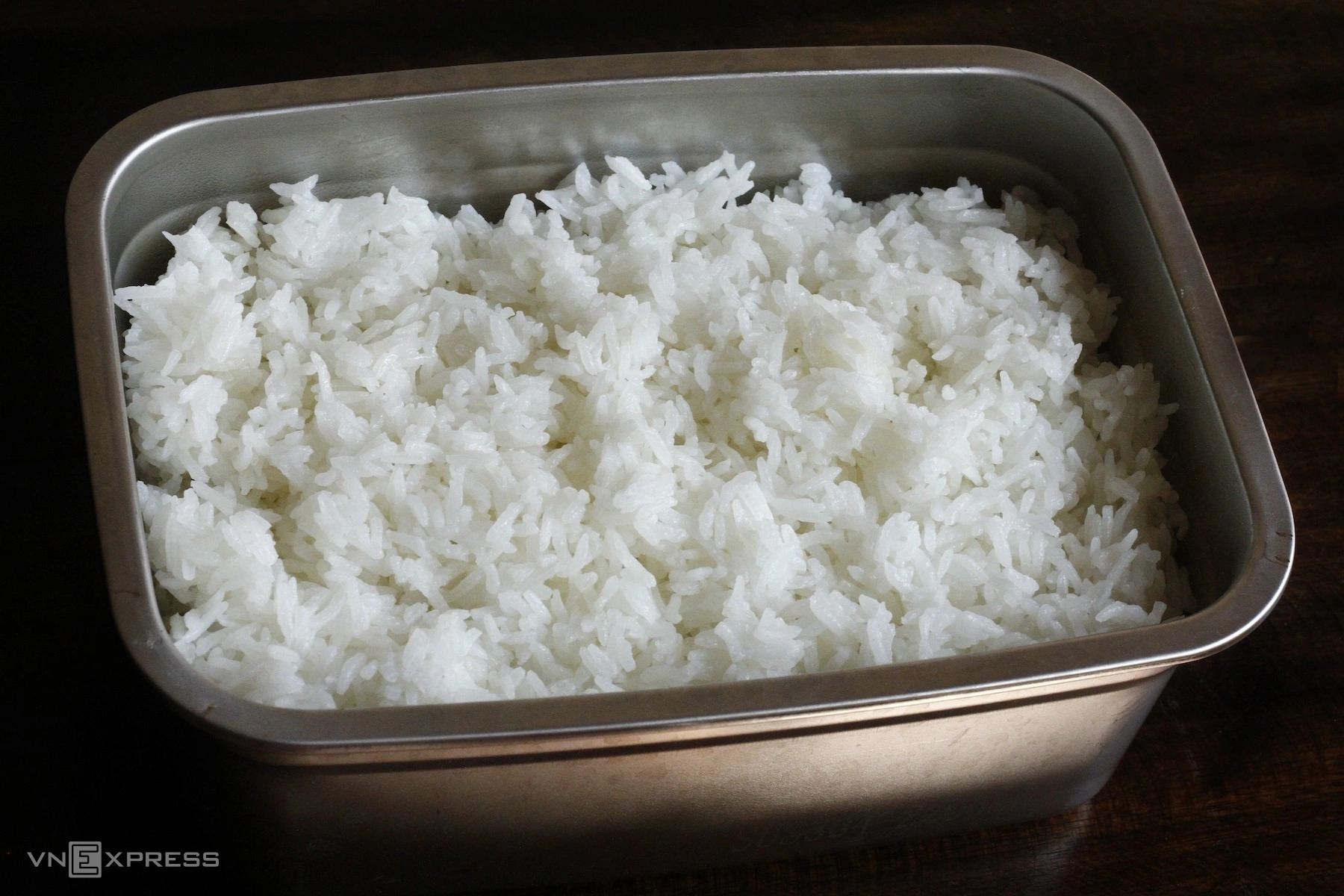 |
Seniors should reduce white rice intake. *Illustration: Bui Thuy* |
**Increased alertness after meals**
Eating too much rice in one sitting can lead to a quick rise and fall in blood sugar, resulting in post-meal drowsiness or fatigue. Adjusting rice portions appropriately helps stabilize blood sugar, contributing to sustained alertness, reducing sluggishness, and potentially improving sleep quality if applied to dinner.
**Helps reduce chronic inflammation**
A diet rich in vegetables, fruits, and whole grains, while reducing refined grains, provides the body with more antioxidants and fiber. This helps limit chronic inflammatory responses and supports cardiovascular, vascular, and bone and joint health in older adults. Global research also links diets prioritizing whole grains, green vegetables, legumes, and minimally processed foods to healthier aging.
So, should seniors completely eliminate white rice? Experts advise against completely removing white rice from the diet. Instead, they recommend reducing intake by about half a bowl per meal if consumption is currently high, and combining it with more green vegetables, tofu, fish, and lean meat. Portions of white rice can be replaced with brown rice, oats, potatoes, or other whole grains.
Dietary adjustments should align with individual health status, activity levels, and nutritional needs. For individuals with type 2 diabetes, malnutrition, or chronic diseases, a doctor or nutritionist should advise on dietary plans.
Small, consistently maintained changes will help seniors build a more balanced diet, contributing to blood sugar control, maintaining a healthy weight, and improving quality of life.
Thuy Quynh