On 1/9, Doctor Ho Tan Trung, from the General Neurology Department at Nhan Dan 115 Hospital, reported that a patient sought emergency care for "an extreme feeling of fear as if about to faint", along with suffocating difficulty breathing. Electrocardiograms, chest X-rays, and blood tests revealed no acute cardiac or pulmonary damage.
The woman, an accountant, disclosed she had endured work and financial pressure for nearly one year. She experienced frequent insomnia, restless sleep, neck and shoulder tension, and diminished concentration.
Diagnosed with anxiety disorder, the patient's health and mental state stabilized after over one month of treatment. This regimen combined psychological adjustment with lifestyle changes.
According to Doctor Trung, anxiety disorder is characterized by excessive, prolonged fear and restlessness, disproportionate to actual situations, impacting daily life, work, and relationships. In contrast, typical worry stemming from work pressure, exams, or financial stress usually subsides once the underlying cause is resolved.
The condition can manifest with both physical and psychological symptoms. Physical signs include palpitations, rapid heartbeat, shortness of breath, tremors, sweating, numb hands and feet, headaches, muscle tension, and digestive issues. Psychological symptoms involve restlessness, difficulty concentrating, scattered thoughts, insomnia, constant vigilance, fear of losing control, or vague apprehension about future events.
Two common forms are generalized anxiety disorder and panic attacks. Generalized anxiety disorder leads to excessive, prolonged worry about various concerns such as work, money, and family, often accompanied by fatigue, muscle tension, and insomnia. Panic attacks begin abruptly with intense fear, rapid heartbeat, chest pain, shortness of breath, dizziness, tremors, sweating, and a sensation of impending doom or loss of control. These episodes typically last from a few minutes to about half an hour.
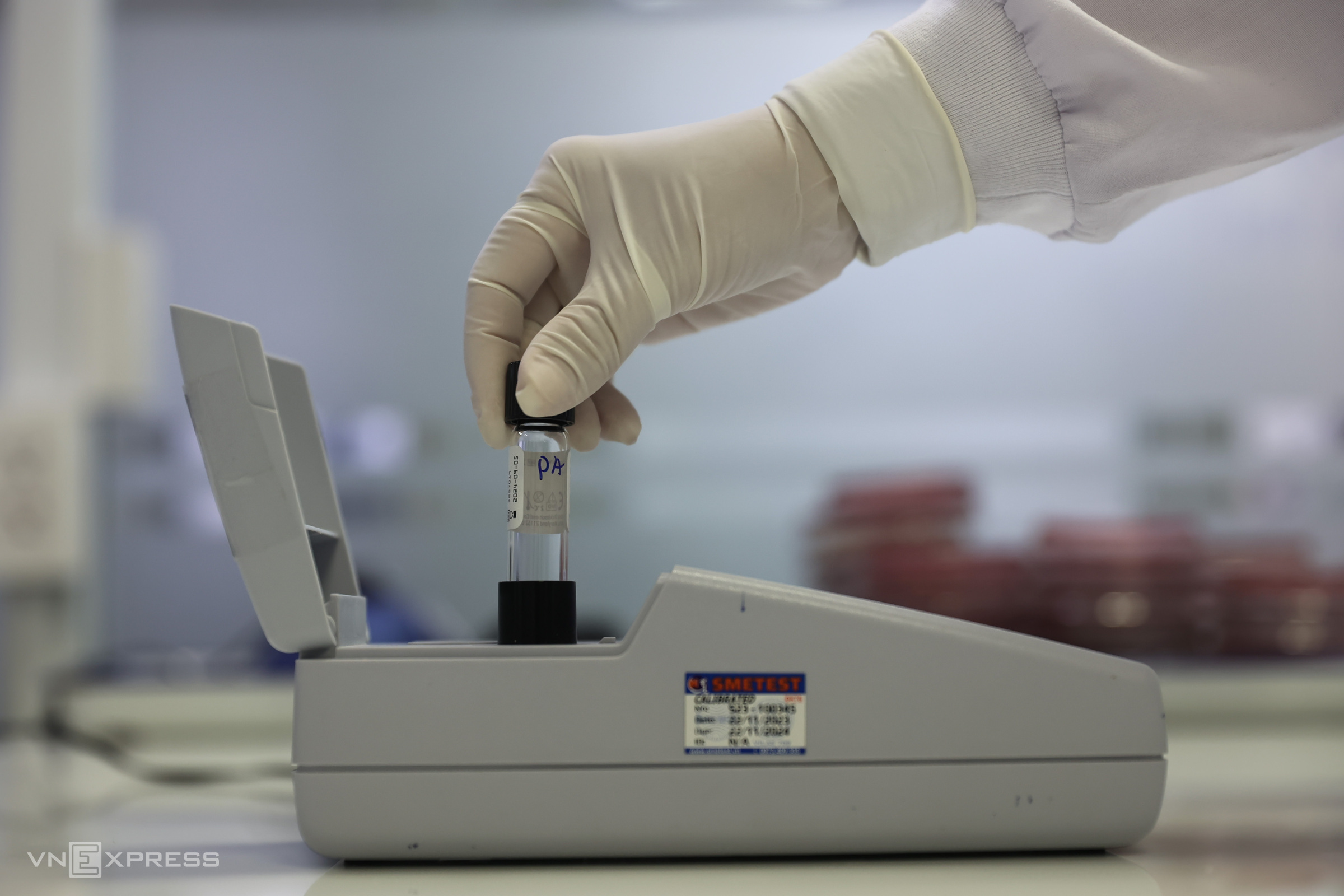 |
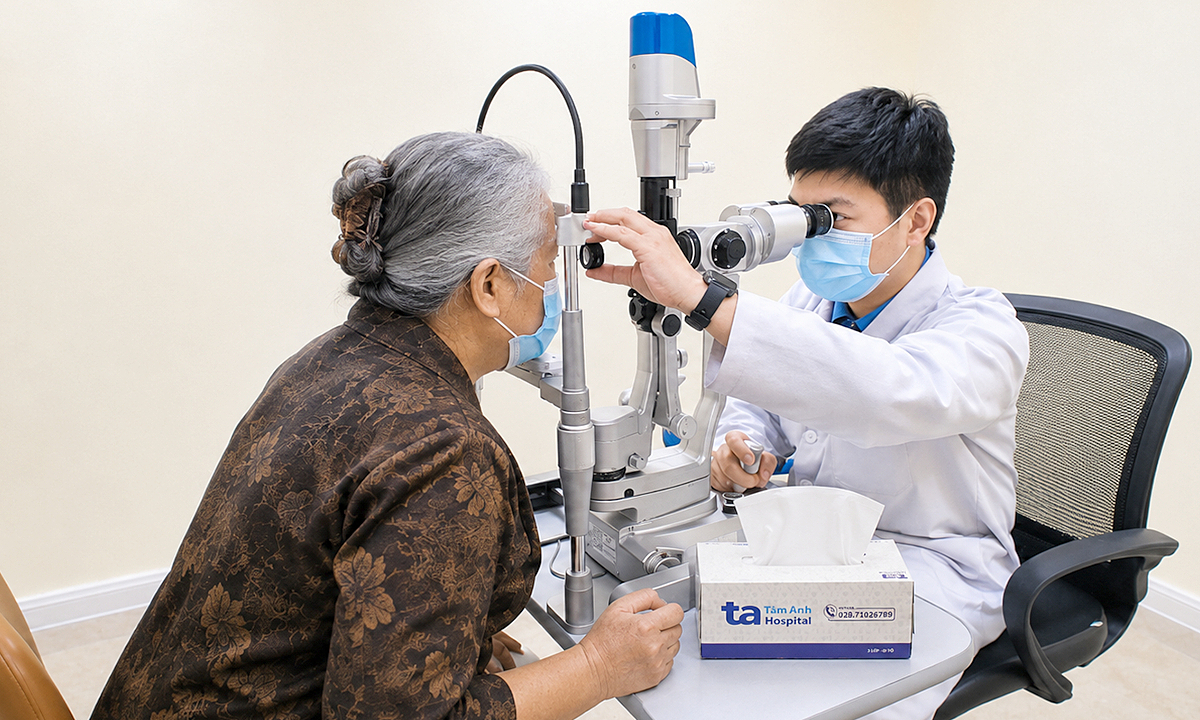
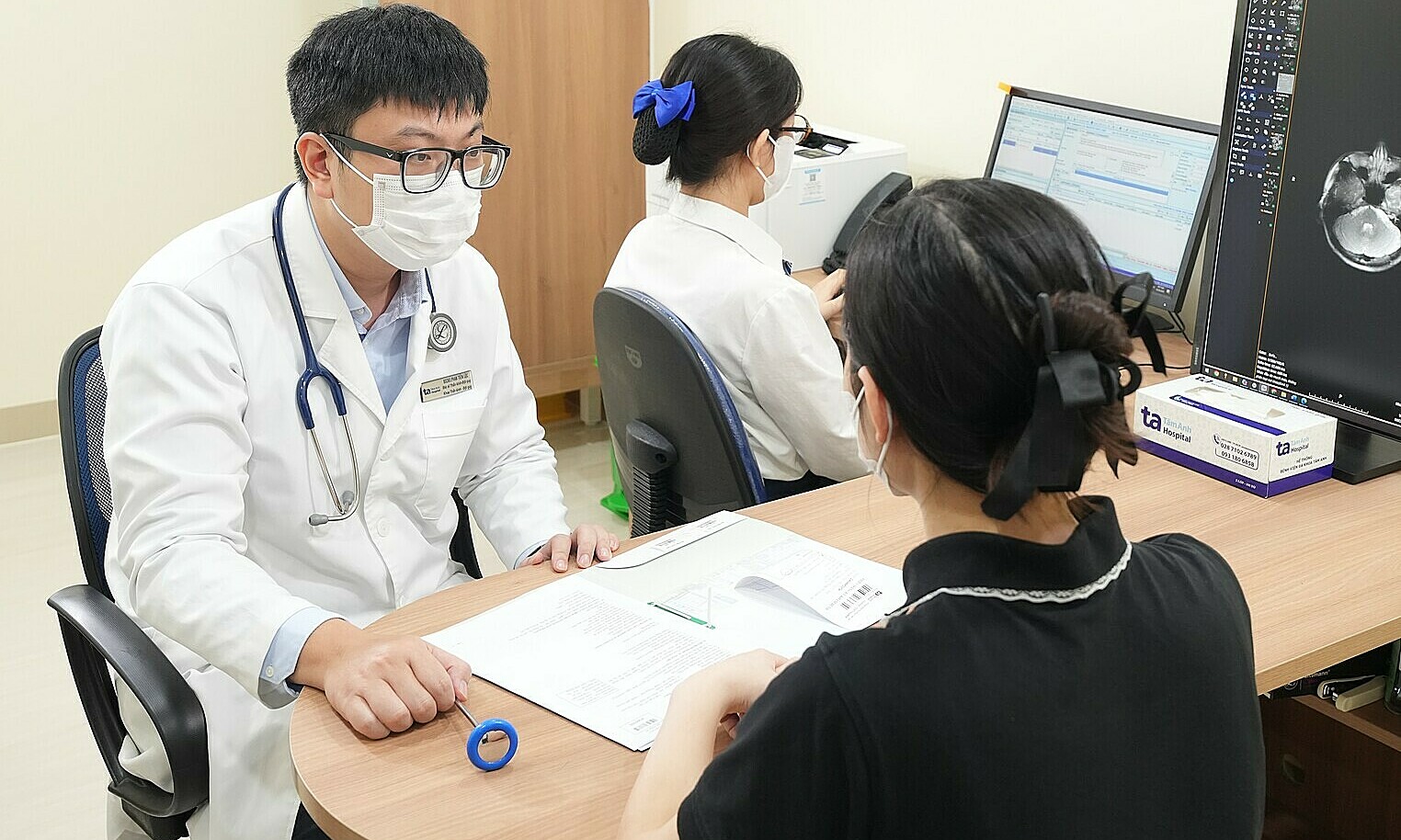
Testing for the patient. *Photo: Quynh Tran* |
Doctor Trung noted that due to symptoms easily mistaken for cardiac, respiratory, or digestive conditions, patients often visit multiple healthcare providers before receiving an anxiety disorder diagnosis. Treatment varies by severity, integrating medication, psychotherapy, and lifestyle modifications; patients should avoid self-medicating with sleeping pills or tranquilizers. Cognitive behavioral therapy (CBT), regular exercise, relaxation techniques, and consistent sleep patterns help manage symptoms and reduce recurrence.
The doctor advises individuals experiencing prolonged anxiety symptoms that affect sleep, work, or daily life to seek specialized medical evaluation rather than silently enduring them. For acute symptoms such as chest pain, shortness of breath, fainting, or any new abnormal manifestations, emergency care is crucial to rule out dangerous medical conditions before considering psychological origins.
Le Phuong