Answer:
Acute gout flare-ups during trips are not solely caused by seafood consumption. They also stem from dehydration due to travel, alcohol intake, and disrupted daily routines. Patients who proactively prepare and manage their health from early on can help ensure safety throughout their vacation.
About three to five days before your trip, you should maintain a light diet with low-purine protein sources like chicken breast and freshwater fish. Increase your intake of green vegetables and drink 2.5 to 3 liters of water daily to help bring uric acid levels to a stable range.
Patients should prepare all prescribed uric acid-lowering medications and bring acute pain relief medications, such as colchicine or NSAIDs, as directed by their doctor, to manage any emerging symptoms.
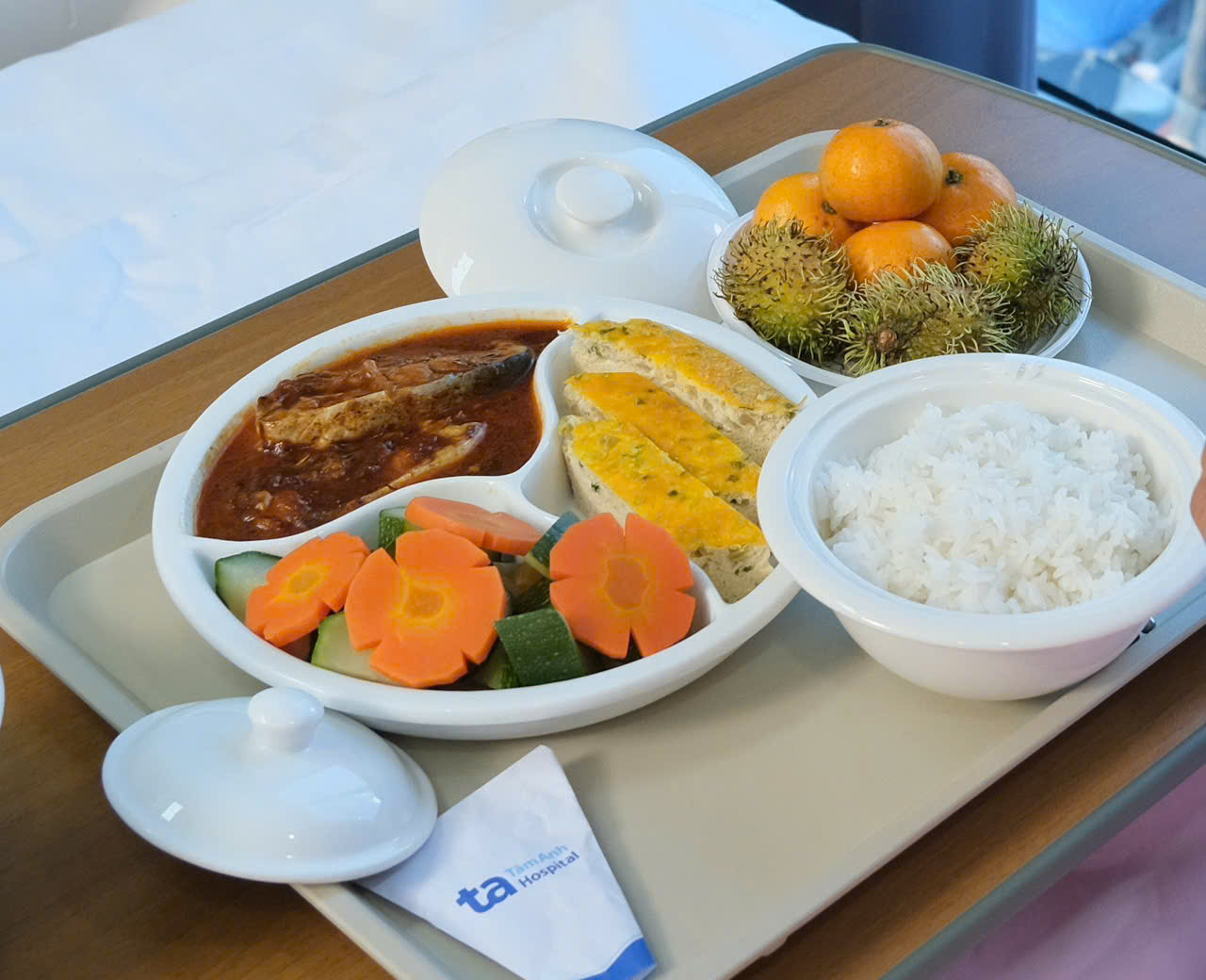 |
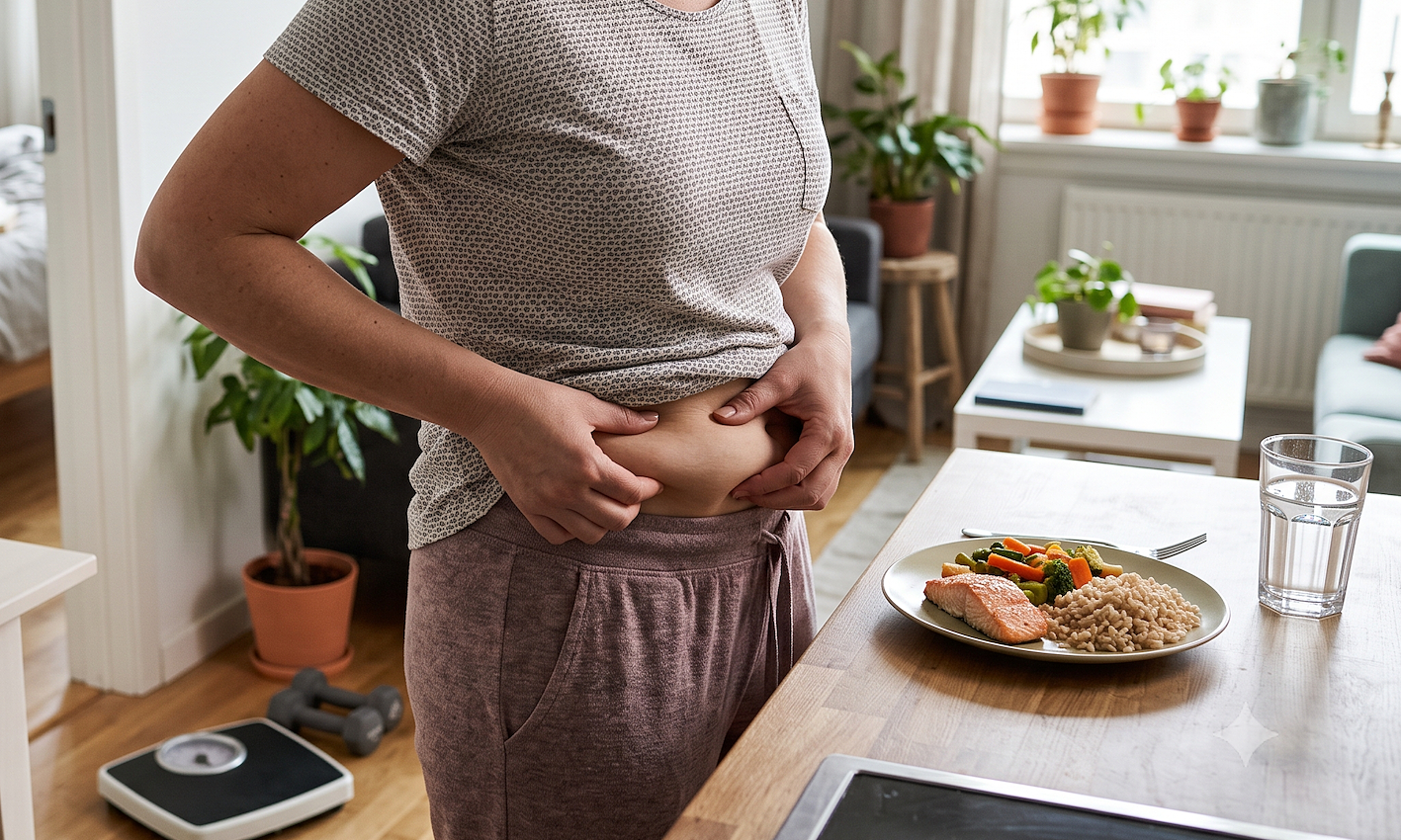
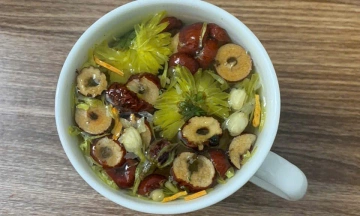
A balanced meal helps gout patients protect their health. Photo: Tam Anh General Hospital |
Patients do not need to completely avoid seafood but should control their intake, especially avoiding foods high in purines. Seafood portions should be limited to about 100-150 g daily, prioritizing those with moderate purine content such as fresh squid, freshwater shrimp, and lean sea fish. Simultaneously, limit purine-rich varieties like lobster, scallops, large sea crabs, or herring.
Starting meals with green vegetables or soup helps slow down protein absorption. Additionally, patients should limit concentrated broths or hot pot liquids made from meat and seafood, to avoid increasing the amount of soluble purines consumed.
Dehydration caused by hot weather and extensive travel impairs the kidneys' function in eliminating uric acid. Supplementing with 150-200 ml of filtered water or alkaline mineral water after every hour of travel helps maintain the body's filtration mechanism.
You should minimize alcohol consumption, as alcohol hinders the elimination of uric acid. Carbonated soft drinks and bottled beverages containing fructose should also be cut from the diet, as this substance promotes uric acid synthesis.
If early signs of gout appear, such as tingling, burning sensations, or mild joint swelling, you should use acute pain relief medication exactly as prescribed by your doctor. Take time to rest, limit movement, and keep the affected joint completely relaxed.
If swelling and pain do not subside after medication, or if there are signs of a severe flare-up, you should visit the nearest medical facility at your travel destination for a doctor's examination.
Dr. Dao Thi Yen Thuy
Head of Nutrition and Dietetics Department
Tam Anh General Hospital, TP HCM