Prolonged travel or extensive sightseeing during holidays can lead to back pain. This often results from constant pressure on the lower back muscles, ligaments, and spine to maintain body balance. Other contributing factors include unsuitable footwear, sudden increases in activity levels, or improper sitting posture. Individuals may experience lower back pain, stiffness, and mild fatigue, with discomfort worsening during movement and significantly decreasing with rest, without radiating to other areas.
While this type of back pain is usually not dangerous and can improve significantly with proper home care—such as adequate rest, and warm or cold compresses—certain warning signs necessitate immediate medical attention. You should consult a doctor if the pain is severe, lasts for several days, or is accompanied by leg numbness, muscle weakness, fever, or loss of bladder control. These symptoms could indicate various underlying medical conditions.
Several conditions can cause persistent back pain that requires medical evaluation.
Lumbar disc herniation is one of the most common causes. Injury or degeneration can cause the nucleus pulposus of a spinal disc to shift from its normal position, compressing nerve roots and leading to numbness and pain. The pain typically radiates from the lower back to the buttocks, thigh, and calf.
Sciatica is characterized by pain, burning, and numbness that radiates from the lower back to the buttocks, then down the thigh, calf, and foot. The pain usually affects only one side of the body and intensifies when an individual sits for extended periods or changes posture suddenly. These symptoms occur when the sciatic nerve is irritated or compressed.
Spinal stenosis is a condition where the spinal canal narrows, which compresses the spinal cord or nerve roots. Causes include the development of spinal bone spurs, degenerative ligament thickening that narrows the spinal canal, or other issues such as disc herniation or spinal arthritis. Patients often experience lower back pain that radiates to the legs.
Lumbar spondylolisthesis occurs when an upper vertebra slips forward relative to the one below it. The condition causes lower back pain, difficulty walking, and often pain radiating down one or both legs.
 |
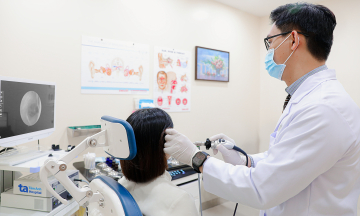
Doctor Nguyen Hoang Thi assesses a patient's lower back pain. Illustration: Tam Anh General Clinic District 7. |
Although these conditions are not life-threatening, if back pain persists, it can develop into chronic pain, reduce mobility, and significantly impact quality of life. Early detection allows for effective management with medication and physical therapy. In severe cases, doctors may recommend spinal surgery. Therefore, it is advisable to seek medical attention if your pain persists, does not subside after home care, or if other unusual signs appear.
Doctor Nguyen Hoang Thi
Specialist in Spine
Tam Anh General Clinic District 7
| Readers can submit questions about kidney - urinary tract diseases here for doctors to answer. |