Fatty liver disease often develops silently, with individuals feeling outwardly normal even as subtle internal changes occur.
Doctor Saurabh Sethi, a Harvard-trained gastroenterologist, explains that the liver sends warning signals before severe damage. These signs, while easily missed, indicate the liver's struggle to process fat, sugar, and inflammation.
Each clue warrants attention, as early intervention can protect this vital organ.
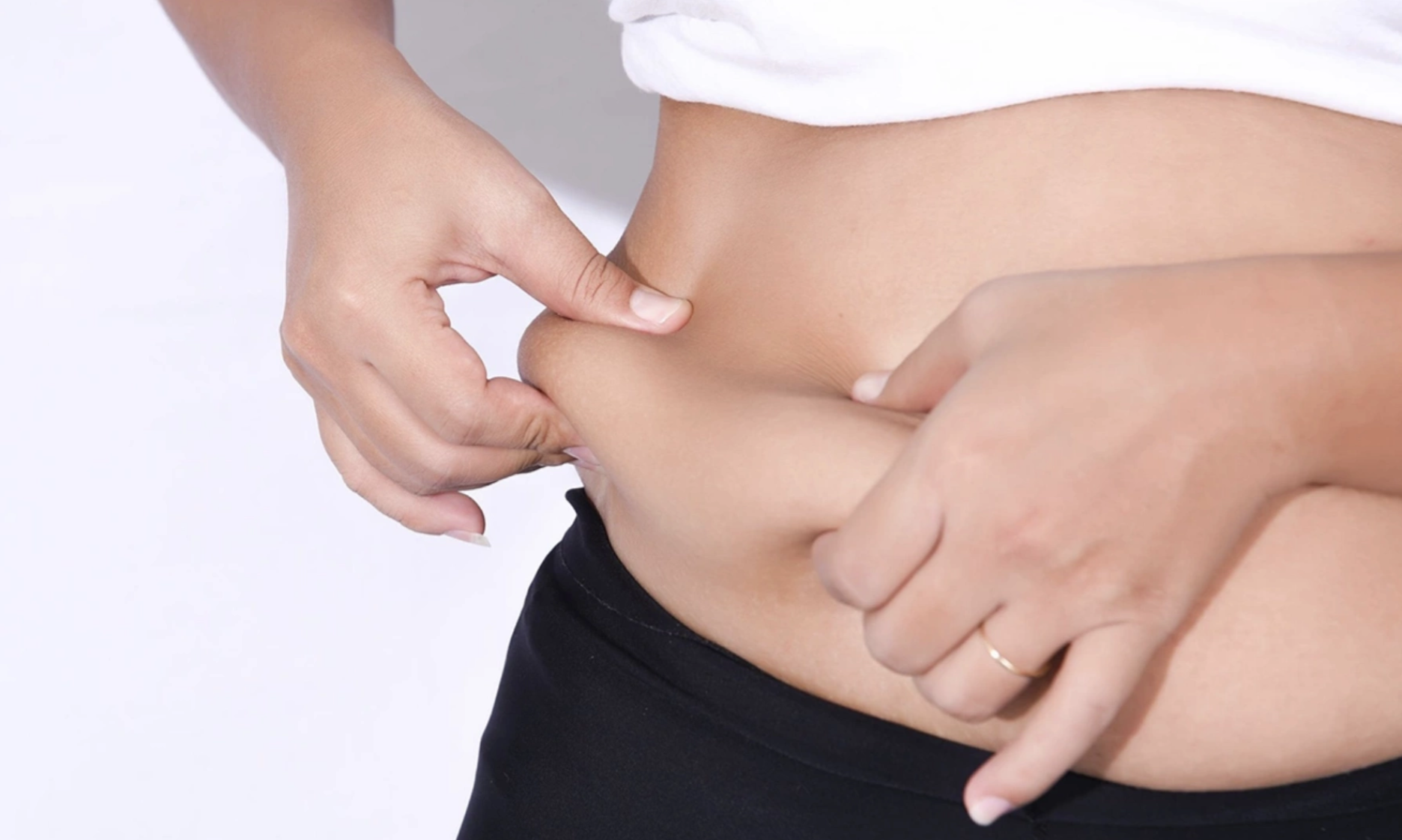 |
Unexpected weight gain around the abdomen indicates the liver is storing more fat than it can process. *Illustration: Prima*
Here are five early warning signs of fatty liver disease that are often overlooked:
Sudden, unusual abdominal weight gain
Unexpected weight gain around the abdomen often precedes other symptoms. This isn't typical bloating from overeating; instead, fat accumulates deep under the skin and around organs, making the waistline feel firm, not soft. This change signals that the liver is storing more fat than it can manage.
Elevated blood sugar despite an unchanged diet
A healthy liver regulates blood sugar. With fatty liver, this regulatory ability weakens, leading to higher blood sugar levels even when diet remains consistent.
Some individuals report feeling hungry soon after eating or experiencing drowsiness after simple meals. These subtle indicators suggest insulin resistance, a common issue with fatty liver disease.
Dark urine and pale stools
Dark urine and pale stools are not always caused by dehydration or a mild stomach infection. When the liver struggles to produce and move bile, changes in color become apparent during urination and bowel movements. These alterations serve as early warnings of disrupted bile flow, a condition requiring medical attention before it worsens.
Gradual and persistent energy decline
Fatigue associated with fatty liver differs from everyday tiredness. It often emerges early in the day, even after adequate sleep. Muscles feel heavier, and simple tasks demand increased effort.
Doctors believe the liver's reduced ability to filter toxins and regulate energy pathways contributes significantly to this profound and persistent weakness.
Dull, aching, or full sensation in the upper abdomen
Mild but recurring discomfort below the right rib cage is a classic indicator. This pain is not sharp like gallstone pain, nor is it spasmodic. Instead, it feels like a fullness or pressure that waxes and wanes. This suggests an enlarged or inflamed liver, a common occurrence as fat accumulates within its cells.
Other notable indicators and signs
Unexplained increase in cholesterol levels
With fatty liver, the organ struggles to manage blood fats. LDL (bad cholesterol) levels often rise, HDL (good cholesterol) decreases, and triglycerides become elevated beyond expected ranges.
These silent biochemical shifts frequently appear on routine tests long before any overt symptoms, serving as reliable early indicators of liver stress.
Yellowing eyes: a late and urgent sign
Jaundice typically indicates advanced disease. The whites of the eyes and often the skin turn yellow. This occurs when bilirubin builds up in the bloodstream because the liver cannot process it effectively.
At this stage, prompt medical care is crucial to prevent severe complications.
Easy bruising and unexpected bleeding
Bruises from minor impacts and gums that bleed easily when brushing teeth suggest the liver's impaired ability to produce clotting factors.
These signs rarely appear early, indicating a more severe stage where core liver functions are compromised.
My Y (According to *Times of India*)