From the age of 40, a range of silent diseases emerge, including obesity, arthritis, heart failure, kidney disease, depression, Alzheimer's, autoimmune diseases, and viral hepatitis. These conditions are leading causes of mortality and disability today. However, a common mindset of "still feeling fine" often leads many to overlook the critical time for early intervention.
Vietnamese people often seek treatment only "when a disease appears". This approach suits curative medicine but is ill-suited for a rapidly aging society. Focusing solely on treating diseases after they manifest leads to increased healthcare costs and a sharp decline in quality of life. Many also view preparing for old age as negative, as if "admitting they are getting old".
In reality, 40 is still early enough to change the trajectory of health for the next 20 to 30 years. Timely intervention helps delay, control, or slow the progression of many chronic diseases.
Doctor Nguyen Huy Hoang, from the Vietnam Undersea and Hyperbaric Medicine Association, highlights how to shift from "seeing a doctor when sick" to "managing health before illness strikes".
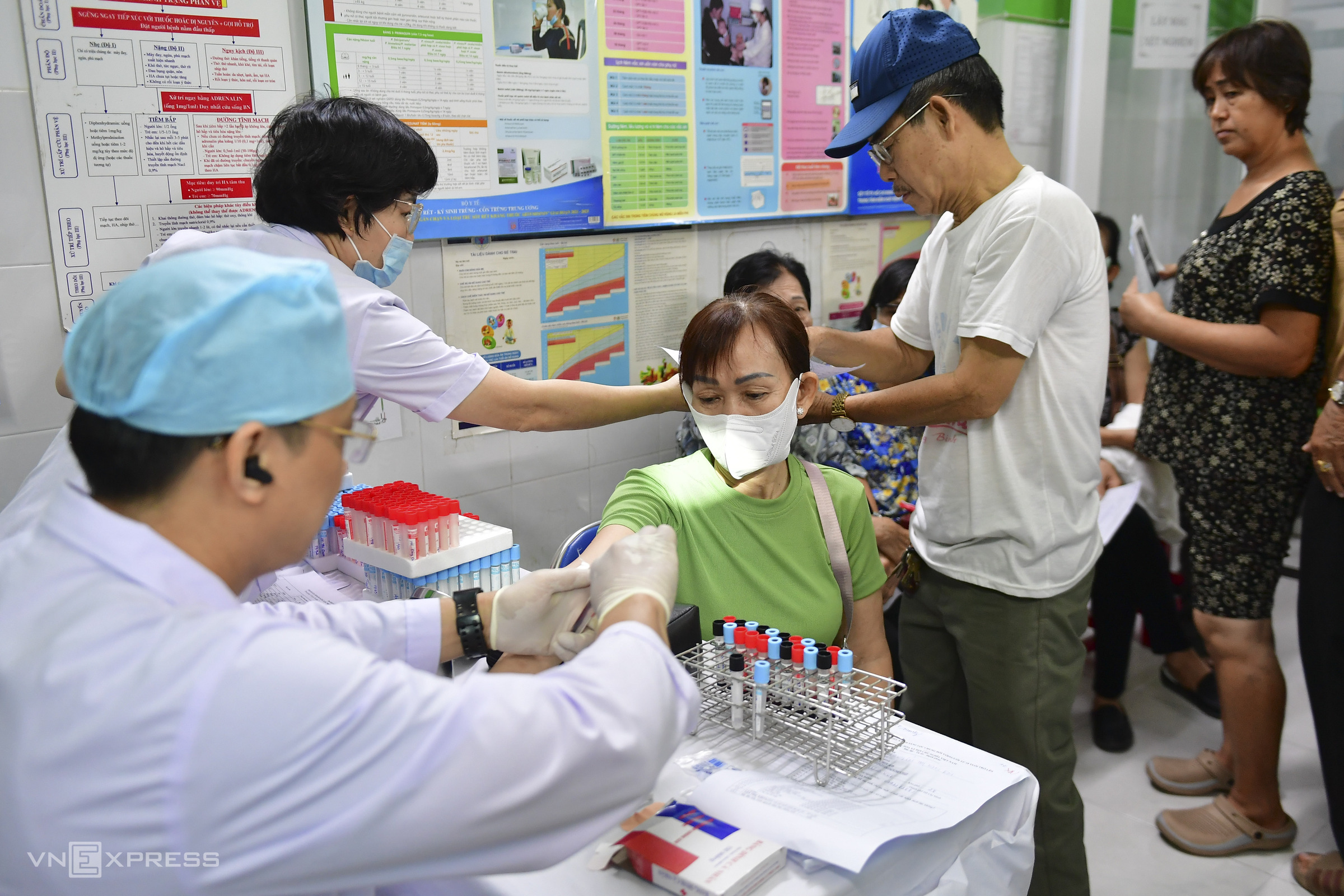 |
People queue for medical examinations at Cau Ong Lanh ward health station, TP HCM. Photo: Thanh Tung
Measure blood pressure annually
High blood pressure can lead to stroke, myocardial infarction, and kidney failure. Many people have hypertension for years without knowing it, only discovering the condition after a serious event. Normal blood pressure is below 120/80 mmHg. According to the WHO, readings of 140/90 mmHg or higher are considered high.
Individuals aged 40 should have their blood pressure measured annually. If readings are borderline or risk factors are present (overweight, inactive, alcohol consumption), more frequent checks are necessary.
Check blood sugar
Diabetes is not exclusive to older adults. Prediabetes and type 2 diabetes are appearing earlier, especially in people who are overweight, inactive, sleep poorly, or have irregular eating habits.
Normal fasting blood sugar levels in healthy individuals range from 4,0 to 5,4 mmol/L and rise to approximately 7,8 mmol/L two hours after eating.
Normal:
Below 100 mg/dL (below 5,6 mmol/L).
Prediabetes (high risk):
From 100 to 125 mg/dL (from 5,6 to 6,9 mmol/L).
Diabetes:
From 126 mg/dL (7,0 mmol/L) or higher.
Check blood lipids
Not being overweight does not mean good blood lipid levels. Bad cholesterol (LDL) and visceral fat can silently increase even if body weight remains unchanged.
Total cholesterol:
Below 5,2 mmol/L is normal; from 5,2–6,2 mmol/L is borderline high; above 6,2 mmol/L is high.
LDL-cholesterol (bad fat):
Below 3,0 mmol/L is good; from 3,4 mmol/L or higher is high; above 4,1 mmol/L is very high.
Triglyceride:
Below 1,7 mmol/L is normal; from 1,7–2,2 mmol/L is mildly high; from 2,3 mmol/L or higher is high.
HDL-cholesterol (good fat):
Below 1,0 mmol/L in men and below 1,3 mmol/L in women is considered low (high levels should be maintained for cardiovascular protection).
Liver and kidney examination
Habits like consuming excessive carbohydrates, drinking alcohol, weight gain, or insulin resistance can easily damage the liver and kidneys. Tests such as AST, ALT, creatinine, and eGFR can detect early damage.
Cancer screening
Doctor Ngo Van Ty, from the Oncology Department, Hanoi Medical University Hospital, recommends screening for common cancers: breast, lung, liver, and stomach.
Liver cancer is prevalent in Vietnam. Stomach cancer often shows no distinct symptoms and can be mistaken for common ailments. Breast and cervical cancers are leading causes of death in women. Colorectal cancer is common in individuals aged 50-75, or before 50 if there are family risk factors.
It is important to choose reputable medical facilities and specialists. Absolutely avoid trusting widespread online advertisements.
Eye examination
From age 40, many people notice a decline in near vision. This is often physiological presbyopia, but it is also a good time for a baseline eye exam.
Early examination can detect glaucoma, cataracts, macular degeneration, and retinal damage. Glaucoma is particularly dangerous because it progresses silently, without pain or red eyes, but can cause permanent vision loss.
Vaccine update
Adults should review their tetanus and annual flu vaccines, as well as other recommended vaccinations based on age and underlying health conditions.
Exercise and nutrition
Regular exercise is beneficial and does not need to be overly strenuous. Walking, climbing stairs, light weight training, resistance band exercises, or bodyweight workouts are all helpful.
Avoid overeating, emotional eating, or insufficient protein intake. Increase fiber, green vegetables, fish, beans, nuts, and minimally processed foods. These help manage blood sugar and blood lipids more effectively.
Limit sweets, alcohol, fast food, and late-night meals. Manage stress effectively.
Doctor Hoang states, "40 is not a downhill threshold but a decisive one. Those who recognize it early, prepare early, and maintain good discipline will navigate this stage much more smoothly."
Thuy An