Appendicitis can result from microbial infection, waste blockage, or tumors. Patients typically experience pain around the navel, which then gradually shifts to the lower right abdomen.
To ensure swift treatment and prevent dangerous complications, patients are often advised to undergo laparoscopic appendectomy. Doctor Nguyen Anh Duy Tung, a specialist in nutrition and dietetics at Tam Anh General Clinic District 7, recommends that patients pay close attention to their post-operative diet for a rapid recovery.
Seafood
After surgery, the patient's immune system is weakened. Seafood such as shrimp, crab, squid, and oysters contains high protein levels, which can cause the body to produce histamine and other antibodies in response. Consuming seafood might trigger allergic reactions, leading to an itchy incision, abdominal pain, and digestive issues.
Spicy condiments
Dishes prepared with a lot of chili, garlic, ginger, pepper, and mustard can irritate the gastrointestinal lining, increasing abdominal pain, indigestion, and hindering post-operative recovery. Spicy condiments can also lead to inflammation, causing the surgical wound to fester, swell, become painful, and heal slowly.
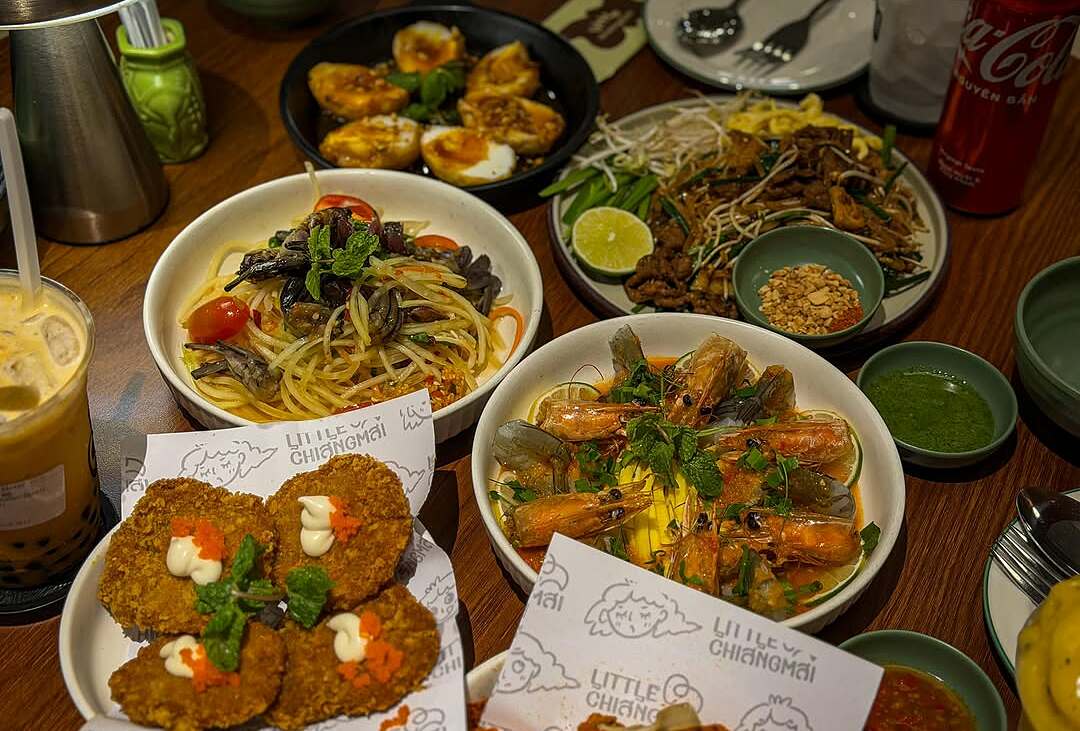 |
Spicy, greasy foods can increase abdominal pain and indigestion. *Quoc An* |
Greasy foods
Fried and greasy foods are often difficult to digest, potentially causing bloating, nausea, or diarrhea. Sudden abdominal pain can cause abdominal muscles to contract, directly impacting and hurting the surgical incision. Therefore, patients recovering from appendectomy should prioritize easily digestible boiled or steamed dishes to reduce strain on the digestive system, absorb nutrients better, and accelerate recovery.
Hard and chewy foods
After appendectomy, normal bowel peristalsis may not have fully resumed. Hard, chewy items like dried meat and grilled dishes require extensive chewing and longer digestion, which can lead to bloating, indigestion, and even constipation for patients.
Alcoholic beverages or stimulants
Alcohol, beer, and other alcoholic beverages can impede wound healing by causing vasodilation, congestion, and a reduction in white blood cells. In severe cases, this can lead to wound infection and internal bleeding. Alcohol consumption also affects liver function, reducing the effectiveness of medications.
Beyond alcohol, caffeine and other stimulants also risk drug interactions that can diminish treatment efficacy. Consuming coffee, strong tea, or energy drinks after surgery can increase stomach acid secretion, affecting digestion and sleep, thereby slowing the recovery process.
According to Doctor Duy Tung, strongly fermented foods, fast food, and processed foods can also irritate the digestive tract and slow the healing of an appendectomy incision. Patients should keep the wound clean and dry, changing dressings as instructed by their doctor. They must be careful when moving, avoid physical impact to the wound, and seek immediate medical attention if signs of infection appear. Patients should adhere to prescribed dosages for pain relievers and antibiotics.
Within the first 24-48 hours after surgery, patients should walk gently to improve blood circulation and prevent constipation or blood clots. Avoid heavy lifting, strenuous exercise, or applying pressure to the abdominal area for at least 2-4 weeks. Adhere to follow-up appointments so doctors can assess wound healing and overall recovery.
*Quoc An*
| Readers can send questions about nutrition here for doctors to answer |